The Short Version
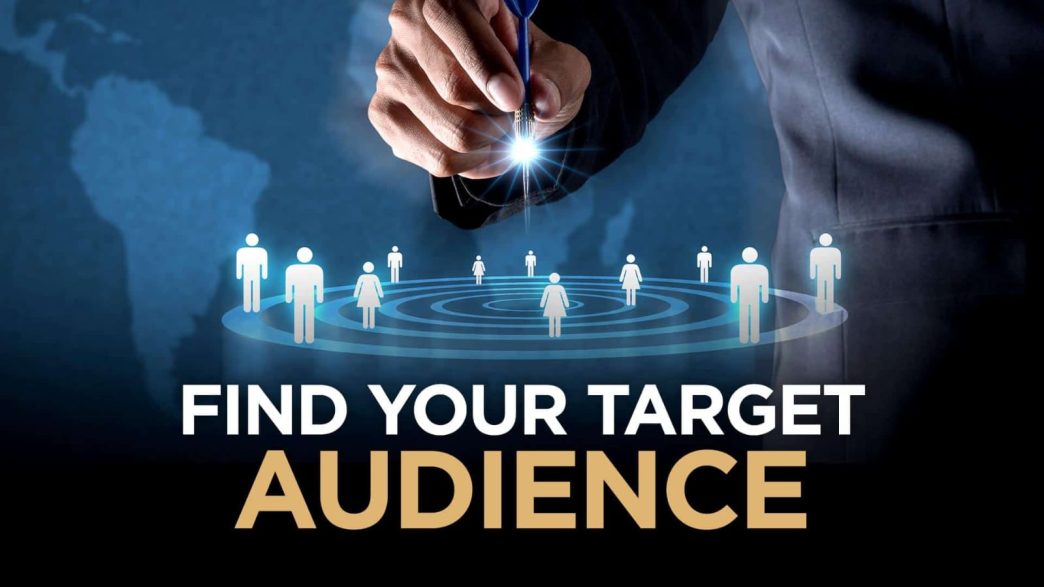
Most conversations about online creator communities focus on the creators but the audience side is at least as important in shaping how the whole ecosystem actually works.
Fans, followers, and community members don’t just consume content; they name aesthetics, invent slang, catch trends early, defend creators from criticism, coordinate viral moments, and quietly determine which careers grow and which stall. This guide walks through how audience-side communities actually shape creator culture, what healthy fan participation looks like, and where audience behavior crosses into territory that harms rather than helps the creators being discussed.
The Audience Isn’t Just Watching
The mainstream framing of the creator economy tends to treat audiences as passive consumers the people who watch, scroll, like, and occasionally comment. In reality, active audience communities are doing something much closer to co-creation.
Concrete examples of what audiences actually do inside the ecosystem:
- Naming and codifying aesthetics. “Cottagecore,” “clean girl,” “coastal grandmother,” “dark academia” none of these were named by the creators making the content. They were named by audiences discussing the content in communities, and those names then got picked up by creators, then by mainstream media, in that order.
- Inventing shorthand and slang. Terms like “delulu,” “cheugy,” “rizz,” and countless others originated in audience communities before spreading to creators and then to broader use.
- Catching trends before creators do. Active fan communities often spot patterns weeks before creators themselves recognize what’s working. Creators who pay attention to what their audiences are noticing tend to move faster than those who don’t.
- Defending creators from criticism. When a creator gets attacked publicly, their fan community often defends them at a scale and speed the creator couldn’t organize themselves.
- Coordinating viral moments. Views, shares, and engagement spikes for specific pieces of content are frequently organized inside fan communities not by the platform’s algorithm alone.
- Filtering which creators grow. The recommendations, word-of-mouth, and cross-community mentions inside fan communities function as a distributed talent scouting system that consistently identifies which creators get bigger.
Audience communities are the layer where a lot of the actual work of “creator culture” happens, but most coverage still treats them as background noise.
The Different Types of Fan Communities
Not all audience-side communities work the same way. Some rough categories worth understanding:
Dedicated fan communities. Built around a specific creator or small group. Members know the creator’s work deeply, discuss it in detail, share fan art or commentary, and often defend the creator from outside criticism. Healthy versions of these can be the earliest and strongest engine of a creator’s growth.
Genre and format communities. Built around a content category rather than a specific creator indie horror TikTok, thrifting YouTube, tabletop RPG streaming. These communities discuss multiple creators simultaneously and often shape which creators in a category get noticed.
Analysis and critique communities. Focused on evaluating creator work rather than just enjoying it. Not inherently hostile professional critique communities exist across every creative field but the line matters between critique of work and hostility toward individuals.
Fan drama communities. Focused specifically on tension, conflict, and controversy between creators or within fandoms. These can be entertaining spaces for members but often produce disproportionate real-world impact on the creators they discuss.
Aggregation communities. Built around collecting and discussing content from creators without those creators being present or having consented. This is the category with the most complicated ethics, and it’s where the audience-side ecosystem most often produces genuine harm.
For a broader look at where these audience-side conversations currently happen and how community formats differ, this guide to Social Media Girls Forums covers a range of the discussion spaces currently shaping different corners of creator-adjacent culture.
How Fan Communities Actually Move Careers
The influence of fan communities on creator careers is often invisible from outside, but it’s real and measurable in patterns that repeat across categories:
- Early recognition. A small fan community picking up on a creator’s work is often the first meaningful audience the creator ever has. That community’s members bring friends, cross-post to other communities, and function as the initial word-of-mouth engine that platforms’ algorithms can’t replicate.
- Sustained engagement floor. Once a creator has a dedicated fan community, that community produces a baseline of views, comments, and shares that keeps their content performing even during algorithm-driven slumps.
- Cross-community lift. Fan communities are almost always members of multiple communities. When a creator’s work spreads from one fan community into adjacent ones a music community’s fans mentioning them in a fashion community, for instance growth accelerates.
- Defense during downturns. Almost every creator hits a controversy or misstep eventually. A strong fan community absorbs and pushes back on the fallout, which shapes whether a rough moment ends a career or is quickly forgotten.
- Brand deal signaling. Sponsors increasingly monitor fan community sentiment as part of their decision-making. A creator with visibly engaged, positive fan communities is more attractive to brands than a creator with equivalent follower counts but no active audience-side community.
The practical implication for creators: the fan community you build is often more consequential than the audience size you show on paper. Ten thousand engaged fans in a real community outweigh a hundred thousand passive followers in almost every meaningful way.
What Healthy Fan Participation Looks Like
For anyone who is a fan of a creator’s work not just creators themselves a few principles hold up across contexts:
- Support the work publicly, discuss it privately. Healthy fan communities can hold detailed, sometimes critical conversations about a creator’s work internally while still supporting the creator publicly.
- Respect the creator’s privacy layer. Public work is fair game for discussion. Personal details, private life, and content the creator didn’t publish aren’t.
- Don’t cross into other creators’ spaces to argue. Defending a creator from criticism is one thing; showing up in a rival creator’s community to attack them is something else. Communities that do the second consistently produce harm.
- Notice when a community’s culture drifts. Fan communities can start healthy and gradually shift into something else obsession, hostility, or aggregation. Being willing to leave a community when it drifts is one of the most underrated skills a fan can have.
- Give creators room to grow and change. Communities that pressure creators to stay exactly the same as when the community formed often lose those creators when they inevitably evolve.
Healthy fan communities are ones where members genuinely enjoy the work being discussed and treat the creator as a person, not as material to be dissected without limit.
Where Audience Communities Cross Into Harm
Fan communities are neutral as a mechanism they can support creators enormously, and they can cause serious harm. The same audience energy that produces beneficial early recognition can produce coordinated harassment, non-consensual content sharing, or personal targeting of the creators being discussed.
Concerning patterns worth being aware of:
- Communities that aggregate creator content without consent. Reposting subscription content, sharing private images or personal details, or archiving material creators didn’t publicly release. This crosses a clear line regardless of how the community frames itself.
- Coordinated attacks disguised as critique. Communities that use “just discussing the work” language to organize sustained targeting of individual creators, often disproportionate to whatever the creator did.
- Doxxing and personal information sharing. Once a fan community starts sharing where a creator lives, works, or spends time, the community has stopped being a fan community in any meaningful sense.
- Pressure for personal access. Communities that push creators to reveal more of their personal life than the creator wants to share, often escalating into obsession patterns.
- Cross-community harassment coordination. Communities that organize their members to take action against outside targets across multiple platforms.
The Social Media Girls Forum is one of the widely-searched examples of the first pattern a community where content from women on Instagram, TikTok, OnlyFans, and other platforms gets reposted and discussed, often without the creators involved, and where digital-rights organizations like the EFF have raised concerns about accountability and non-consensual content sharing.
It illustrates the specific way audience-side communities can drift from “we enjoy this creator’s work” into something structurally different and why the distinction matters.
Recognizing this pattern isn’t about being anti-fan or anti-community. Genuine fan communities are among the healthiest parts of the online creator ecosystem. It’s about understanding that “audience community” describes a structural position, not an ethical one, and the community’s actual behavior determines which side of that line it lands on.
What This Means for Creators Building an Audience
For creators, understanding the audience-side dynamics changes how you actually think about growth and community:
- Encourage audience-to-audience connection. Creators who help their fans find each other build stronger, more resilient communities than creators who try to keep all engagement flowing directly through themselves.
- Give your fan community a place to gather. A Discord, a subreddit, or a similar dedicated space lets your fans do all the audience-side work that benefits your career while giving you visibility into what they’re saying.
- Set clear norms about what you’re okay with. Fans respect creators who tell them explicitly what’s welcome and what isn’t. Silence usually produces drift toward the community’s default norms, which may not match yours.
- Don’t panic about smaller critical communities. Every creator gets discussed critically somewhere. Most of it is harmless. What matters is whether the criticism is confined to your work versus targeting you as a person.
- Take aggregation and harassment communities seriously. These are structurally different from critique communities. Recognizing which is which, and responding accordingly (takedowns, hosting-provider abuse contacts, DMCA for owned content), is part of modern creator work.
What This Means for Audiences
For fans and community members themselves:
- Which communities you spend time in shapes what “being a fan” feels like. Fan communities are dense enough that they shape members’ overall relationship with a creator’s work. Choosing communities whose norms match your actual values matters.
- Contributing beats consuming. The audience-side communities that shape creator careers most are the ones where members participate, share, and build not the ones where members lurk.
- Notice how communities treat creators as people. Communities that talk about creators as full humans with lives outside their content are generally healthier than communities that treat creators as material to be endlessly parsed.
- Recognize your own influence. As a fan community member, you contribute to the collective effect the community has on the creators it discusses. That includes the responsibility of pushing back when the community drifts in ways you don’t support.
FAQs
How do fan communities actually influence creator careers? Through early recognition, cross-community word-of-mouth, sustained engagement, defense during controversies, and increasingly, brand deal signaling. Ten thousand engaged fans in a real community usually outweigh a hundred thousand passive followers for a creator’s career trajectory.
What’s the difference between a healthy fan community and a harmful one? Healthy fan communities discuss the work, support the creator publicly, respect privacy boundaries, and treat the creator as a person. Harmful ones drift into aggregation without consent, coordinated harassment, doxxing, or pressure for personal access the creator didn’t offer.
Can fans really change how mainstream culture works? Yes. Slang, aesthetics, and trends almost always originate in fan and audience communities before spreading to creators, then to mainstream media. The pipeline from fan community to broader culture is one of the most underappreciated forces in how digital culture actually forms.
What should I do if I notice a fan community I’m in drifting toward harmful behavior? Consider whether the community’s actual behavior still matches its stated purpose, push back on specific harmful behavior when you can, and be willing to leave communities that consistently produce harm regardless of how welcoming they are otherwise.
How can creators build healthier fan communities around their work? Give fans a dedicated place to gather, encourage fan-to-fan connection rather than routing everything through yourself, set explicit norms about what’s welcome, and stay visible in the community without smothering it so members feel supported without feeling controlled.