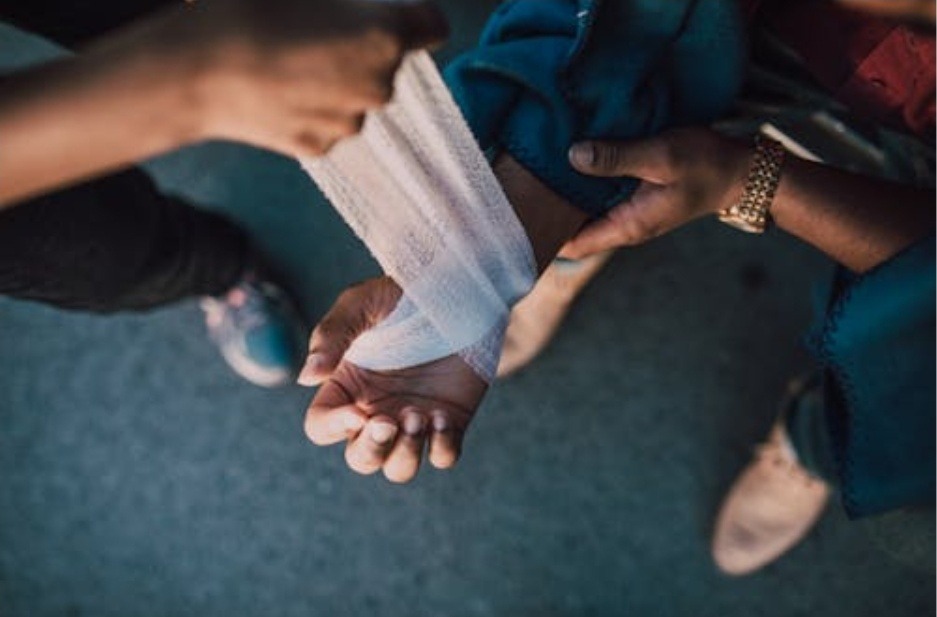
Most people expect an insurance company to review forms, bills, statements, and photographs after an accident. Fewer people expect the quiet part of the process. A person recovering from an injury may be watched while walking to the mailbox, loading groceries, attending a family event, or getting in and out of a car.
That can feel personal. It can also feel unfair, especially when someone is already dealing with pain, missed work, medical appointments, and stress at home. Still, surveillance can happen during a personal injury case. Insurance companies may use it to compare what a claimant reports with what an investigator sees in public.
Understanding how this works can help injured people avoid panic, stay consistent, and protect the truth of their case. A South Florida personal injury attorney can also help explain how surveillance may fit into the larger claim.
Why Insurance Companies Watch Claimants
Insurance companies review injury claims with money in mind. If a claim involves medical treatment, lost income, pain, or long recovery time, the insurer may look for reasons to question the extent of the injury.
Surveillance is one method they may use. An investigator may be hired to observe a claimant in public places. The goal is usually to see whether the person’s actions appear to match the injuries described in the claim.
For example, if someone reports severe back pain, the insurer may be interested in footage of that person bending, lifting, driving, walking, or carrying bags. If someone says they cannot stand for long periods, an investigator may try to capture them at a store, park, or event.
This does not mean the person is lying. Recovery is rarely the same from day to day. Someone may push through pain for an hour and then spend the rest of the day resting. A short video may show movement, but it may not show pain, medication, swelling, or the cost of that activity later.
What Investigators May Try to Record
Surveillance usually focuses on public behavior. Investigators may observe from a vehicle, take photos, record video, or note daily routines. They may watch a home from the street, follow a claimant to appointments, or document activity in parking lots, shopping areas, gyms, parks, or workplaces.
Common activities that may be observed include:
- Walking or standing
- Carrying groceries or bags
- Driving
- Attending events
- Doing yard work
- Going to medical visits
- Returning to work
- Using stairs
- Playing with children or pets
Social media can also matter. Photos, videos, check-ins, comments, and tagged posts may be reviewed. A smiling photo at dinner can be misunderstood. A short clip from a birthday party may leave out the pain that came before or after.
The issue is not whether an injured person can have a life. The issue is whether the insurance company can use a small part of that life to argue the injury is less serious than claimed.
A Few Seconds Can Leave Out the Hard Part
Surveillance footage can be powerful because it looks direct. People tend to trust what they see. But video can also leave out context.
A claimant may carry a light bag a few steps because no one is nearby to help. A parent may lift a child once despite pain. A person may walk normally for ten minutes after taking medication, then struggle the next morning. A video may show the movement, but not the price paid afterward.
That is why context matters. Medical records, doctor restrictions, therapy notes, imaging results, and personal documentation can help explain the full picture. A clip alone may not show whether an activity was painful, brief, medically allowed, or followed by a setback.
A South Florida personal injury attorney may review surveillance footage in the context of the entire case, rather than treating a single recording as the whole story.
Consistency Matters More Than Perfection
Injury claims can run into trouble when statements, records, and activity seem to conflict. This is why honesty is important from the start.
A claimant should avoid overstating limitations. If a person can walk for short periods, this should be clearly explained. If lifting is possible but painful, that detail matters. If symptoms change from day to day, medical providers should know.
Insurance companies may compare surveillance with statements made during the claim. They may also compare it with medical records. If a doctor’s note says the person cannot lift anything at all, but the person is recorded carrying boxes, the insurer may use that footage to challenge credibility.
The safer approach is simple. Be accurate. Tell medical providers what hurts, what helps, what you can do, and what causes problems. Do not guess. Do not exaggerate. Do not hide improvements. Clear reporting can make it harder for a short video to create a false impression.
How Surveillance Can Affect Negotiations
Surveillance may influence settlement talks. An insurer may bring up footage when making a lower offer. The argument may be that the claimant is more active than the claim suggests or that the injury has improved.
Sometimes the footage has little effect. Sometimes it becomes a major point of dispute. It depends on what the video shows, how it was collected, and whether it conflicts with the medical evidence.
If a case moves into litigation, surveillance may also come up during depositions or court proceedings. The defense may ask questions about daily activities, hobbies, work, travel, or physical limits. If the answers do not match the footage, the defense may try to use that difference against the claimant.
This is another reason preparation matters. A claimant should understand that normal daily activity may become part of the case. That does not mean staying inside or living in fear. It means being truthful and careful about how injuries are described.
What Injured People Should Avoid
During an active injury claim, a few choices can create problems. Posting online without thinking is one of them. A photo that looks harmless may be used in a way the claimant never expected.
It can also be risky to ignore medical advice, skip appointments, or engage in activities beyond the doctor’s restrictions. Gaps in treatment may give the insurer an opening to argue the injury improved or was not serious.
Claimants should also avoid discussing the case casually with strangers, posting updates about the accident, or making online comments about money, fault, or recovery. Even simple statements may be misunderstood.
The best rule is to act honestly and follow medical guidance. A real injury does not require a person to act helplessly. It does require consistency between the claim, the records, and daily conduct.
When Surveillance Does Not Tell the Whole Story
A personal injury claim should be evaluated by looking at the full record. Surveillance is only one piece. Medical history, diagnosis, treatment, work limits, pain reports, therapy progress, and the facts of the accident all matter.
A short recording may raise questions, but questions can often be answered. The answer may come from a doctor’s explanation, a timeline of symptoms, witness statements, or records showing that the activity was limited.
In Boynton Beach, injured people may already feel watched by bills, appointments, and pressure from insurers. Actual surveillance can add another layer of stress. Knowing how it works can make the process feel less confusing.
Conclusion
Surveillance investigations can affect personal injury cases in Boynton Beach by giving insurance companies material to question injuries, treatment, or daily limitations. Footage may show activity, but it does not always show pain, recovery time, medical restrictions, or the full story behind a brief moment.
If you are concerned about insurance surveillance during an active case, speaking with a South Florida personal injury attorney may help you understand what matters and what steps to take next. FK Legal can review your situation and help you make informed decisions about your claim.