Travelers visiting Italy increasingly want experiences that go beyond sightseeing. They want to understand traditions, cook local dishes, and spend time with people who preserve culinary heritage. Cooking vacations in Italy provide an opportunity to experience the country through its kitchens, farms, and family tables.
Unlike standard tours, culinary vacations combine education with cultural discovery. Guests participate in cooking sessions, learn about local ingredients, and enjoy meals inspired by regional traditions. This type of travel creates meaningful memories that continue long after returning home.
How Culinary Travel Creates a Deeper Italian Experience
Food is closely connected to Italy’s history and identity, which is why many travelers choose cooking vacations in Italy to experience authentic traditions firsthand. Recipes often reflect local geography, agricultural practices, and family customs that have developed over generations. Learning directly from local cooks offers valuable insight into these traditions.
Many visitors discover that preparing meals together creates stronger cultural connections than traditional tourism. Sharing stories around the table allows travelers to experience daily Italian life in a natural way. This personal interaction appears consistently across top ranking culinary travel websites.
Italian Regional Cuisine Classes Showcase Local Traditions
Every Italian region has distinctive cooking styles and ingredients. Italian regional cuisine classes introduce travelers to recipes that represent specific areas rather than generalized Italian cooking.
A class in Emilia Romagna may focus on stuffed pasta and aged cheeses. In Sicily, participants often prepare seafood dishes and traditional sweets. These regional differences help travelers appreciate the diversity found throughout Italy.
Best Reasons to Choose Multi Region Culinary Vacations
Many culinary travelers prefer itineraries that include several destinations. Visiting different regions allows guests to compare ingredients, techniques, and culinary customs during a single journey.
Exploring multiple destinations also creates a broader understanding of Italian gastronomy. Travelers may learn pasta making in one region, participate in olive harvesting in another, and enjoy wine tastings elsewhere. Competitor analysis shows multi region itineraries continue to attract significant traveler interest.
Farm Visits Bring Italian Cuisine to Life
Italian cooking begins with fresh ingredients. For this reason, many culinary vacations include visits to farms, orchards, vineyards, and artisan producers.
Guests often meet cheese makers, olive oil producers, and local farmers during these visits. Seeing where ingredients originate provides valuable context for cooking lessons. It also helps travelers understand the importance of seasonality in Italian cuisine.
Top Skills Guests Learn During Culinary Programs
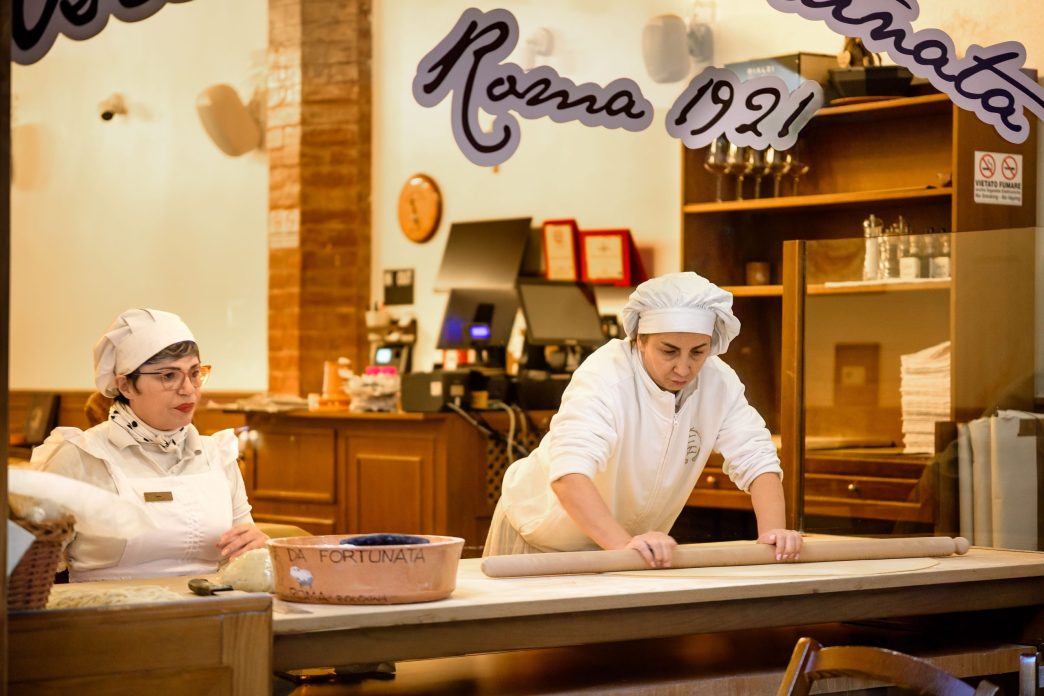
Hands-on instruction remains the foundation of cooking vacations in Italy. Participants actively prepare dishes while receiving guidance from experienced instructors and local cooks.
Common skills include preparing fresh pasta dough, shaping regional pasta varieties, creating traditional sauces, and baking rustic breads. Some programs also teach dessert preparation, preserving techniques, and menu planning using seasonal ingredients.
Seasonal Cooking Reflects Authentic Italian Culture
Italian cuisine changes throughout the year. Seasonal ingredients influence menus, cooking techniques, and local celebrations across the country.
Spring often highlights fresh vegetables and herbs, while autumn features mushrooms, chestnuts, and harvest inspired dishes. Italian regional cuisine classes frequently adapt recipes according to seasonal availability, creating a more authentic learning experience.
Small Group Learning Enhances Culinary Vacations
Many travelers value intimate learning environments during culinary journeys. Smaller groups encourage interaction and provide more opportunities for individual instruction.
Participants can ask questions, receive personalized guidance, and engage directly with instructors. Small group settings also foster conversation among travelers, creating a welcoming atmosphere throughout the experience.
Cultural Excursions Complement Cooking Activities
Leading culinary programs often combine kitchen instruction with cultural exploration. This balance allows travelers to experience both food traditions and local heritage.
Excursions may include visits to historic villages, artisan workshops, local markets, or notable landmarks. Combining culinary education with cultural activities creates a well rounded travel experience that appeals to many visitors.
Local Markets Offer Valuable Culinary Lessons
Traditional markets remain an essential part of Italian food culture. Walking through a market provides insight into ingredient selection, seasonal produce, and regional specialties.
Many cooking vacations in Italy include guided market visits before classes begin. Guests learn how locals choose ingredients and discover products that are rarely found outside the region. These experiences add practical value to culinary instruction.
Accommodation Shapes the Culinary Experience
The setting of a culinary vacation can influence the overall journey. Many travelers prefer countryside villas, historic estates, or working farms because these locations reflect traditional Italian lifestyles.
Staying in rural settings often allows guests to enjoy peaceful surroundings while remaining close to local food traditions. Accommodations integrated with culinary activities continue to be a common feature among top ranking competitors.
Choosing the Right Culinary Vacation
Selecting the ideal itinerary depends on personal goals and interests. Some travelers prioritize intensive cooking instruction, while others prefer balanced schedules that include sightseeing and relaxation.
Reviewing the number of cooking sessions, regional focus, cultural activities, and group size can help travelers choose a program that aligns with their expectations. Experiences that combine education, culture, and authentic interaction often provide the greatest value.
Conclusion
Food remains one of the most meaningful ways to experience Italy. Cooking vacations in Italy allow travelers to develop culinary skills while exploring local traditions and regional identities.
Through Italian regional cuisine classes, visitors gain practical knowledge, cultural insight, and memorable experiences that continue long after their journey ends.
FAQs
1. What are cooking vacations in Italy?
These are travel experiences that combine cooking instruction with cultural activities, local food experiences, and regional exploration.
2. Are Italian regional cuisine classes suitable for beginners?
Yes. Most classes welcome participants of all experience levels and provide step by step instruction.
3. Do culinary vacations include cultural activities?
Many programs include market visits, sightseeing, artisan experiences, and excursions alongside cooking lessons.
4. Why are regional cooking classes important?
Regional classes teach authentic recipes and traditions specific to different parts of Italy.
5. What should travelers look for when choosing a culinary vacation?
Travelers should consider itinerary structure, group size, regional focus, cooking sessions, and included cultural experiences.