
A crash can change your day in seconds. One moment you are merging onto the highway, and the next you are on the shoulder exchanging insurance details. After the adrenaline fades, the practical stress begins: medical bills, repair estimates, adjuster calls, and the question of whether you need legal help.
This guide explains the steps to consider after a car accident, from preserving evidence in the first 48 hours to evaluating attorneys, reviewing fee agreements, and preparing for an initial consultation. It is written with Ford and Lincoln drivers in mind, but the process applies to most drivers.
Key Takeaways
- Not every crash requires a lawyer. Minor fender-benders with no injuries and clear fault can often be handled through your insurer. Disputed liability, serious injuries, or insurer delays are stronger reasons to seek advice.
- Relevant experience matters. Look for attorneys who regularly handle motor-vehicle injury claims, not only general personal injury matters. Familiarity with vehicle evidence such as event data recorders, dash-cam footage, and driver-assistance system records can help in complex cases.
- Ask specific questions before signing. Find out who will handle your case day to day, how updates will be shared, and what the firm does if the insurer refuses to negotiate fairly.
- Understand the fee agreement. Contingency fees are common, but percentages, case costs, and termination terms differ by firm and jurisdiction. Get the terms in writing. No-win-no-fee terms vary, and conditions may apply.
- Watch local deadlines. Statutes of limitations and filing rules differ by location. Confirm exact time frames through an official local source.
First 48 Hours After a Car Accident: What to Do Now
The hours immediately after a crash are often when the most useful evidence is available. Focus on safety first, then documentation. Ford readers who want background on post-crash guidance technology may also find the accident advisement system patent coverage useful context, but your immediate priorities should still be safety, medical care, official reporting, and local insurance notice rules.
- Get to safety. Move to a safe location if you can. Call emergency services if anyone is injured or the scene is dangerous.
- Document the scene. Take wide-angle and close-up photos of the vehicles, skid marks, traffic signals, road conditions, and visible injuries. If you have dash-cam footage or relevant FordPass records, preserve them as soon as possible.
- Exchange information. Collect names, contact details, insurance policy numbers, license plate numbers, and driver license details from all parties. If law enforcement responds, note the report number and officer information.
- Get medical care. Some injuries appear hours or days later. A prompt medical evaluation also creates a clear record of timing.
- File or obtain a police report. In many places, a police report is required or strongly recommended. It may become important evidence later.
- Notify your insurer. Auto policies usually include notice and cooperation requirements. Check your policy for deadlines and instructions because delay can complicate a claim.
- Start a timeline. Write down what happened while it is fresh. Include dates, times, conversations, expenses, repair estimates, and medical bills.
Do You Actually Need a Lawyer?
Hiring an attorney is not always necessary. The table below shows when handling the claim yourself may be reasonable and when legal guidance may be worth considering.
| Scenario | Handle It Yourself | Consider a Lawyer |
|---|---|---|
| Injuries | No injuries or very minor injuries | Ongoing treatment, surgery, or missed work |
| Fault | Clear and undisputed liability | Disputed fault or shared fault |
| Vehicles involved | Two passenger vehicles and simple facts | Commercial truck, ride-share vehicle, or multiple vehicles |
| Other driver’s insurance | Fully insured driver and cooperative adjuster | Uninsured or underinsured driver |
| Insurer response | Fair offer and timely communication | Delays, denials, or low settlement offers |
| Evidence complexity | Simple scene and clear photos | Vehicle data, driver-assistance systems, or telematics in dispute |
If your situation falls mostly in the right column, a consultation can help you understand your options before you decide whether to hire anyone.
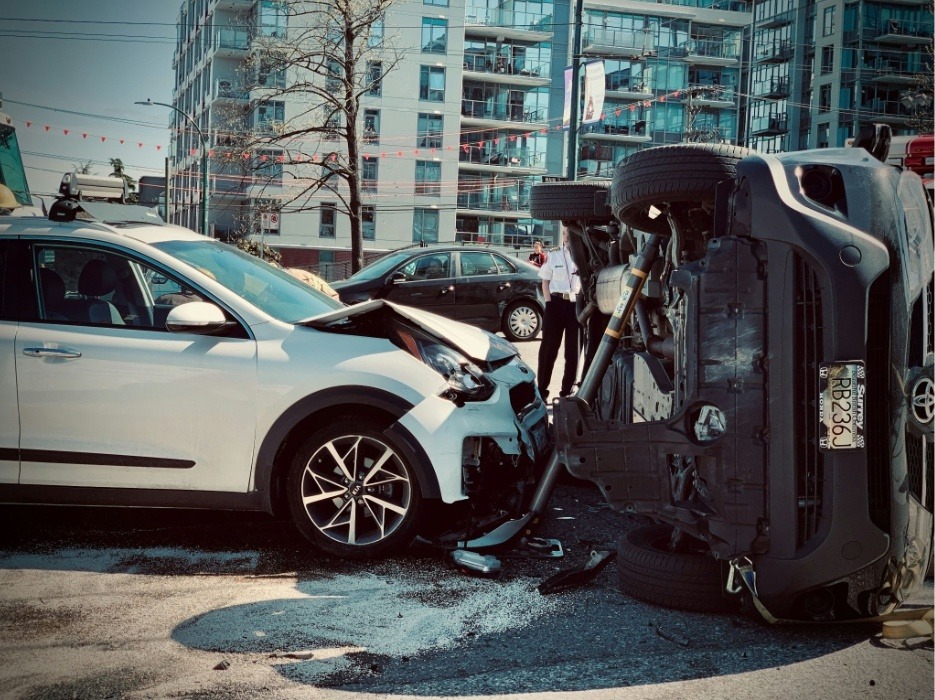
Complex facts are another trigger for getting guidance: a high-speed crash example can show how severe damage, multiple accounts, and speed disputes make fault and evidence questions harder than a basic parking-lot claim.
Where to Look for Qualified Lawyers
Finding names is easy. Evaluating them takes more care. Start with sources that let you confirm credentials and compare experience.
State Bar and Official Directories in the U.S.
Your state bar association usually maintains a searchable directory of licensed attorneys. You can confirm license status and, where available, review public disciplinary history. This is a reliable starting point. State judiciary and bar websites can also help you understand local filing windows for crash-related claims.
Referrals from Trusted Sources
Body shops, mechanics, medical providers, and people you trust may know which local attorneys handle motor-vehicle claims responsibly. Ask about communication, responsiveness, and whether the attorney set realistic expectations, not just the outcome.
Evaluating Online Listings
When searching online, separate paid advertisements from organic listings, legal directories, and peer-reviewed sources. Paid placement does not prove quality. Look for patterns in reviews. Detailed comments about clear communication and practical advice are more useful than vague five-star ratings.
A Note for Readers in Queensland, Australia
If you are in Queensland, the claims process operates under a Compulsory Third Party insurance scheme, often called CTP.
It has its own time frames, evidence requirements, and pathways for crashes involving unidentified or uninsured vehicles, including Nominal Defendant claims. Resources from local car accident lawyers can explain CTP claim steps and common evidence to collect, but eligibility and deadlines vary.
Rules in Queensland differ from those in the United States and from other Australian states, so verify the process through the relevant law society or government source.
What to Look for in a Motor-Vehicle Injury Lawyer
Not every personal injury attorney is equally suited to a crash case. Focus on experience, communication, and the firm’s ability to handle the evidence in your claim.
- Specific crash-case experience. Ask how many motor-vehicle injury cases the attorney has handled in the past few years.
- Negotiation and trial readiness. Most cases settle, but an attorney who is prepared to litigate may be better positioned when negotiations stall. Avoid anyone who guarantees a result.
- Local familiarity. An attorney who knows local courts, procedures, and insurance practices may navigate the process more efficiently.
- Access to experts. Complex cases may require accident reconstructionists, medical experts, or investigators. Ask whether the firm works with those professionals when needed.
- Comfort with vehicle evidence. Modern vehicles may contain useful data, including dash-cam footage, event data recorder information, and driver-assistance system records. Your attorney should know how to preserve relevant evidence.
- Communication style. Clarify how often you will receive updates, which channel the firm uses, and who your primary contact will be.
- Caseload. An overloaded attorney may not give your claim enough attention. It is fair to ask how many active cases the attorney is handling.
Questions to Ask in a Free Consultation
Many motor-vehicle injury attorneys offer an initial consultation at no cost. Treat it like an interview. Bring your documents and ask questions that reveal how the firm works.
- Who will handle my case day to day?
- What experience do you have with crashes involving similar vehicles or facts?
- What is your approach if the insurer refuses to negotiate fairly?
- How do you communicate case updates, and how often?
- What are the likely next steps and realistic timelines?
- What costs might I owe if the case does not result in a recovery?
- Are there conditions or exclusions that affect your fee arrangement?
- Will you need access to my vehicle, data recorder, dash-cam footage, or repair records?
- How do you handle cases where fault may be shared?
- Can you point me to client reviews or examples of similar matters you have handled?
Write down the answers. Comparing two or three consultations can give you a clearer picture than relying on one meeting.
Fees and Agreements: Read Before You Sign
Understand the fee structure before you sign a retainer. The right model depends on the case, the jurisdiction, and the firm.
Contingency fees. The attorney receives a percentage of the recovery. If there is no recovery, you typically owe no attorney fee. However, percentages, case costs, and payment terms vary by jurisdiction and firm. Ask questions and insist on written terms. No-win-no-fee terms vary, and conditions may apply.
Hourly fees. These are less common for crash cases, but some attorneys charge by the hour for smaller claims or limited advisory work.
Hybrid arrangements. Some firms use a reduced hourly rate combined with a smaller contingency percentage. These arrangements are less common but may be available in some situations.
Whatever the model, clarify these points in writing:
- What percentage goes to the attorney, and does it change if the case goes to trial?
- Who advances case costs, such as filing fees, expert fees, and medical record charges?
- What happens if you want to end the agreement early?
- Are there any costs you owe even if there is no recovery?
Compare offers side by side so you are evaluating the same information across firms.

Red Flags and Common Myths
A few warning signs should make you slow down before signing an agreement.
- Guaranteed outcomes. No ethical attorney can promise a specific result.
- Pressure to sign immediately. A reputable firm should give you time to review the agreement and ask questions.
- Vague or shifting fee terms. If the cost structure is not clear in writing, it will not become clearer after you sign.
- No direct attorney contact. Staff often help manage cases, but there should be clear attorney oversight and a way to reach the lawyer responsible for your matter.
- Suspicious reviews. Identical phrasing across reviews or a cluster of five-star ratings posted on the same day can be a warning sign.
Working Well with Your Lawyer
If you hire an attorney, a few simple habits can help the process move more smoothly.
- Agree on an update schedule, such as weekly or biweekly, and use it consistently.
- Keep all crash-related documents in one physical or digital folder.
- Avoid posting details about the crash or your injuries on social media.
- Keep medical treatment records current and share updates promptly.
- Ask your attorney before disposing of your vehicle or authorizing major repairs because physical evidence may still be needed.
- Forward any direct communication from the other party’s insurer to your attorney.
Conclusion
Choosing the right attorney after a crash comes down to fit, clarity, and relevant experience. Look for someone who understands motor-vehicle claims, explains the process in plain language, and puts fee terms in writing. Because laws and filing deadlines differ by location, verify the rules that apply to your situation through official sources. Starting the search early can help preserve evidence and keep your options open.
FAQ
These answers cover common questions drivers ask after a crash. Local rules can differ, so confirm the details in your jurisdiction.
When should I talk to a lawyer after a car accident?
Consider speaking with a lawyer as soon as the crash involves significant injuries, disputed fault, an uninsured driver, or an uncooperative insurer. Many attorneys offer free consultations, and waiting too long can limit your options.
What documents should I bring to the first meeting?
Bring the police report, scene photos, dash-cam footage, medical records and bills, repair estimates, your insurance policy, insurer correspondence, a written timeline, and witness contact information.
Can I switch lawyers mid-case?
In many jurisdictions, you have the right to change attorneys. Review your retainer agreement for termination terms and any fees or costs related to work already completed. Notify your current attorney in writing.
How long do car accident cases usually take?
Timelines vary. A straightforward claim with clear liability and minor injuries may resolve in a few months. Serious injuries, disputed fault, or litigation can take a year or longer.