

A site audit is a diagnostic process that scans your website for hidden code errors, indexability issues, and structural flaws that block search engines from crawling and ranking your content. Picture this. You run a local service business with a verified Google Business Profile. You have solid reviews and good content. Yet, your map pack and organic rankings remain stuck on page two. You are not losing to better competitors. You are losing to silent ranking killers hiding in your website code. These technical flaws act as an invisible drag on your local visibility.
Why Technical SEO Operates Differently for Local Businesses
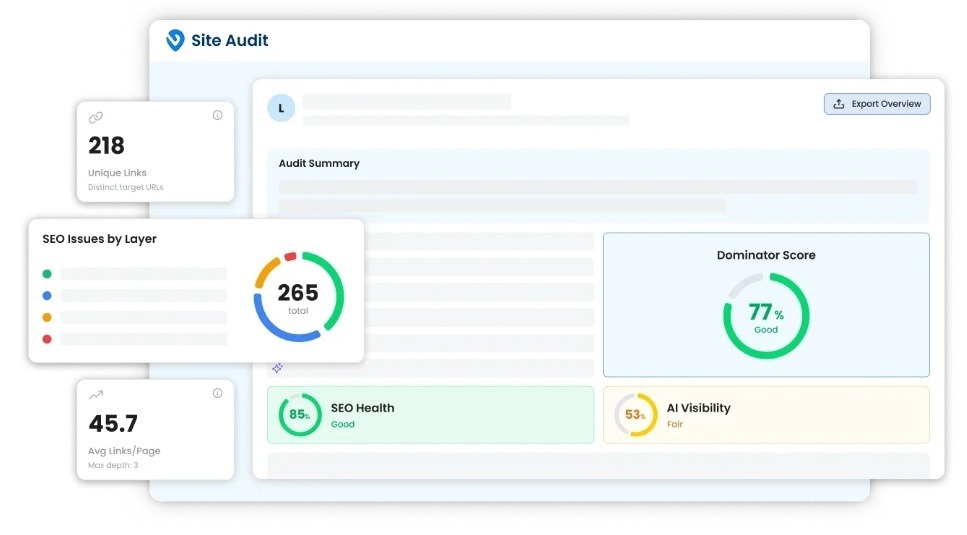
Standard SEO focuses on massive structural issues for global enterprise sites. Local SEO requires a different approach. You must verify schema markup, ensure your Name, Address, and Phone Number data render correctly, and confirm your specific location pages are actually indexable. If Google cannot read the geographic signals embedded in your code, your local relevance drops. Your local strategy fails if search engine bots cannot connect your website to your physical service area.
The Four Layer Technical Review Process
You need a systematic way to approach your website health. You should categorize technical fixes into four distinct layers. Sorting issues by severity prevents you from wasting time on minor tweaks while major errors block your traffic.
- Critical Foundation fixes resolve indexability, crawlability, and rendering errors immediately.
- High Priority fixes correct broken site architecture and internal linking.
- Medium Priority fixes optimize title tags, content quality, and mobile usability.
- Advanced Polish improves image optimization and local schema markup.
Preparing Your Website for AI Search Engines
Search behavior is shifting toward Artificial Intelligence platforms, making AI Engine Optimization the new baseline. Because modern language models evaluate your code and text structure differently from traditional crawlers, you must take specific steps to stay visible:
- Ensure Bot Access: Verify that bots like ChatGPT and Claude are not blocked from crawling your content.
- Structure for AI: Confirm that these language models can accurately read and parse your AI schema.
- Identify Roadblocks: Find the exact technical errors hiding in your HTML.
To find these roadblocks, practitioners run a site audit to score both traditional SEO health and AEO readiness simultaneously. This specialized crawl provides an objective roadmap to resolve errors that block visibility across both standard search and AI platforms.
Fixing Your Local Site Architecture
A local audit looks for very specific structural failures. Conflicting canonical tags on service area pages confuse search engines. Broken internal links pointing to neighborhood pages create dead ends for both users and crawlers. A missing or malformed LocalBusiness schema prevents Google from validating your entity data. You must repair these structural elements so your local relevance signals properly register.
How Speed and Rendering Impact User Conversion
Technical health directly influences user behavior. Poor performance can negatively impact your site in several distinct ways:
- Increased Bounce Rates: Slow rendering times frustrate visitors and cause them to leave your site prematurely.
- Hidden Calls to Action: Broken mobile architecture often pushes your primary contact buttons below the fold.
- Lost Mobile Conversions: Users searching for immediate solutions (like emergency services) on their phones will not wait for a heavy page to load; they will simply hit the back button.
Fixing code bloat and optimizing rendering paths ensures users can quickly find and click your contact buttons.
Aligning Entity Data with Off-Page Signals
Technical website health supports your off-page prominence. Search engines rely on consistent entity data to rank your business. If crawl errors block search engines from reading your site, they cannot connect off-page trust signals to your Google Business Profile. This includes vital data from community backlinks and AI reputation management platforms. A healthy, easily crawled website ensures all your external authority signals flow properly to your core business entity.
Tracking the Impact of Your Technical Fixes
You must measure the impact of your technical work by following a simple routine:
- Run Diagnostics: Execute your diagnostic scan to identify underlying problems.
- Prioritize Repairs: Fix the critical indexability issues first.
- Track Visibility: Monitor Google Search Console and your rank trackers to watch your organic visibility improve over time.
A reduction in crawl errors should correlate directly with increased impressions and higher page positions for your target local queries.
Building a Routine for Ongoing Technical Health
Fixing silent code errors requires a consistent routine, not just a one-time check. Websites break over time. Regular scans ensure you catch new crawl errors before they impact your rankings. Stay proactive to protect your local visibility. Local Dominator is a cloud-based Search Everywhere Platform specializing in unified local SEO and AI search tracking for local agencies and businesses. It serves as a single source of truth that integrates SERP analytics and citations to make visibility simple, predictable, and scalable across all digital touchpoints.