Diverter valve precision plays a major role in maintaining consistent multi-shot polyurethane production from one cycle to the next.
In many production settings, attention often goes to the mix head, pumps, molds, or material formula. Those parts matter, but the diverter valve can quietly affect how cleanly material moves, how accurately shots are delivered, and how repeatable each finished part becomes.
What a Diverter Valve Actually Does
A diverter valve controls the flow of material during the production process. In multi-shot polyurethane work, it may help direct different material streams, switch between circuits, or manage the movement of mixed and unmixed components.
When the valve works correctly, each shot reaches the right place at the right time. When it does not, even a small delay or poor seal can lead to uneven results.
This is especially important when parts require multiple pours, layers, densities, or color changes.
Why Small Timing Errors Matter
Polyurethane production depends on timing. Once the materials are mixed, the reaction starts quickly. A diverter valve that opens too slowly, closes unevenly, or allows slight leakage can alter the shot size or disrupt material flow.
That can lead to issues such as:
- Inconsistent part weight
- Air pockets or voids
- Uneven surfaces
- Poor bonding between shots
- Extra scrap or rework
These problems may initially look like material or mold issues. In some cases, the real cause is imprecise flow control.
Multi-Shot Production Needs Repeatability
Multi-shot production adds more steps to the process. Each shot has to line up with the next one in timing, volume, and placement. If one step is off, the finished part may not meet the expected standard.
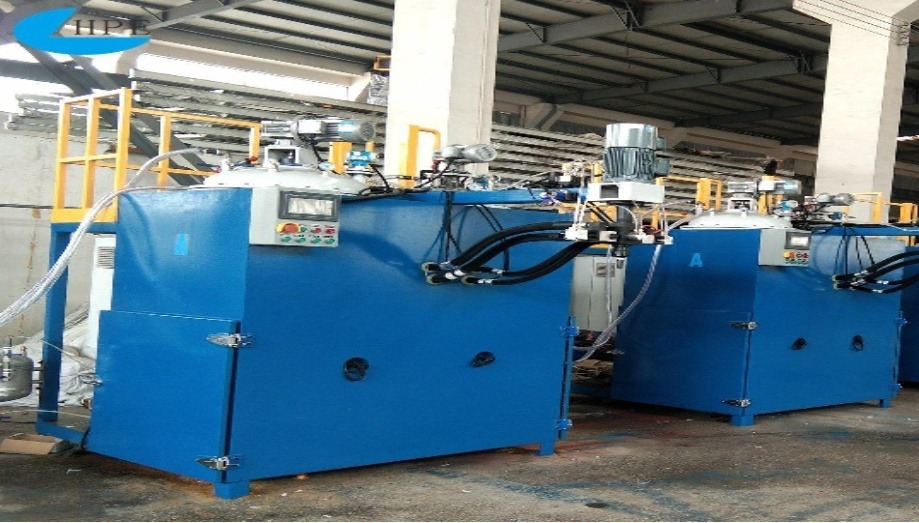
This is why reliable flow control matters so much in polyurethane casting machines. The valve must handle repeated cycles without drifting, sticking, or allowing unwanted crossover between material paths.
A well-designed diverter valve helps keep each cycle predictable. That makes it easier to maintain quality during longer production runs.
Material Flow Must Stay Clean
Polyurethane materials can be sensitive to contamination, buildup, and poor movement through the system. If material sits too long in the wrong area, it may begin to cure or create residue.
A precise diverter valve helps reduce dead spots where material can collect. It also supports cleaner transitions between shots or flow paths.
This is useful in polymer processing because consistent movement helps protect both the material and the equipment. Cleaner flow can also reduce downtime caused by flushing, cleaning, or unexpected maintenance.
Signs a Valve May Be Affecting Quality
A diverter valve issue is not always obvious. Operators may notice small changes before a major problem appears.
Common warning signs include:
- Slight changes in shot weight
- Irregular part appearance
- More frequent cleaning needs
- Material leaking past the valve
- Inconsistent results after changeovers
When these signs appear, checking valve timing, wear, seals, and actuation can help identify the source of the problem.
Why Equipment Design Matters
The best results come from equipment built around the actual production need. A valve used for simple transfer work may not be suitable for precise multi-shot polyurethane applications.
Factors such as response time, sealing method, material compatibility, and ease of maintenance all matter. When the valve is matched to the process, production becomes easier to control, and quality becomes more consistent.