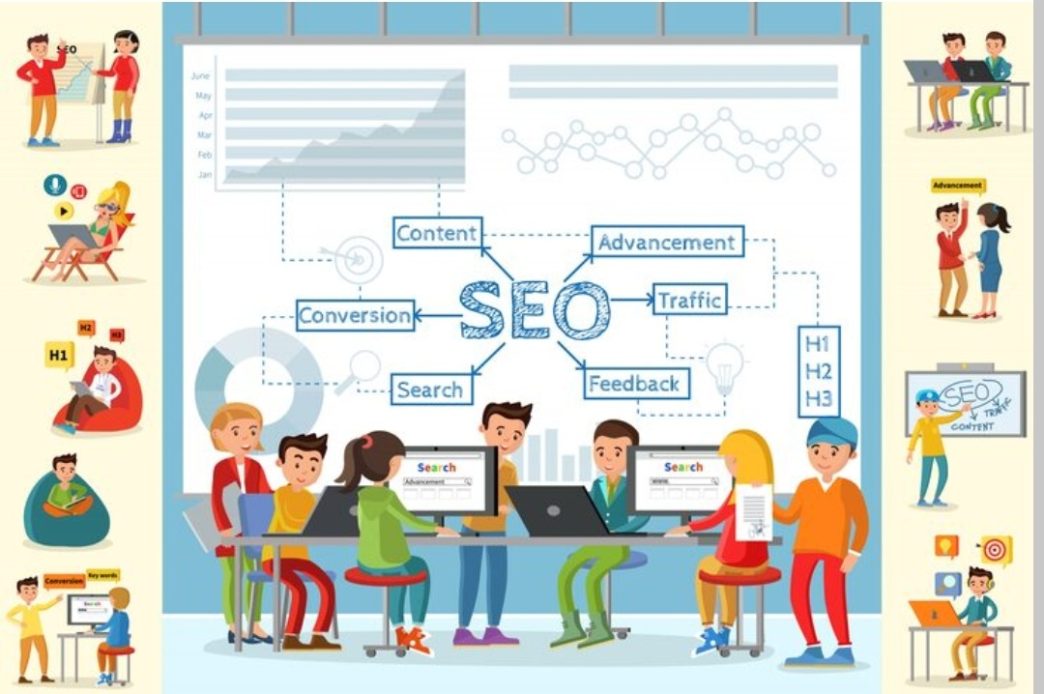
Search Engine Optimization (SEO) is the process of increasing a website’s exposure on search engines such as Google so that it appears higher in search results and receives more organic traffic.
Today, SEO is critical to helping businesses reach their target audience, raise brand awareness, and produce consistent online leads.
While many people focus on content and keywords, technical SEO is the foundation of a website’s overall performance, ensuring that search engines can crawl, index, and understand pages.
Even the most high-quality, well-written content may struggle to rank or reach its intended audience without a robust technical infrastructure. Indeed, flaws such as slow loading speeds, poor site structure, and indexing errors can drastically affect visibility, regardless of content quality. In this blog, we’ll look at why technical SEO is important for online businesses and how it directly affects growth and performance.
Understanding Technical SEO in Search Engine Context
Technical SEO helps search engines understand a website as an organized system by governing how pages are crawled, indexed, and displayed. Crawlers discover stuff, index it, and render it so that people may see it. Weak site structure, broken links, and slow performance can all interrupt the process and limit semantic understanding.
This also influences how search engines perceive entities and relationships within material. Google Search Console, for example, helps track indexing and crawling issues, whereas Core Web Vitals measure loading, interaction, and stability, all of which impact visibility and search performance.
Technical SEO Foundations
Crawlability and Indexability
Website crawlability and indexability determine how search engines access and store content. Robots.txt optimization prevents crucial pages from being blocked, while XML sitemaps direct search engines to key discovery channels.
On large websites, crawl budget efficiency is crucial because search engines have limited resources to scan pages. Duplicates and redundant URLs can impair indexing quality and delay search results.
URL and site architecture
An organized hierarchy of topic, subtopic, and entity pages helps search engines identify content linkages.
Clean URL structures show logical content grouping, improving user and crawler readability.
Strong topical silos or clustering tactics improve semantic relevance, helping search engines connect similar sites and determine site authority in a subject area.
Rendering and JavaScript SEO
JavaScript SEO and rendering examine how search engines process current web frameworks.
Server-side rendering (SSR), client-side rendering (CSR), or hydration-based techniques can affect how Googlebot renders pages and understands dynamic content.
Poor implementation can cause rendering delays or indexation gaps, hurting rankings and visibility by hiding content from search engines.
User Experience Signals and Performance Optimization
Page Speed
Page speed affects how soon users can access content and how efficiently search engines render pages. Hosting, caching, and backend load optimization improve server response time and performance.
Image compression lowers file sizes without compromising quality, speeding up site loads on all devices.
A CDN distributes content globally so consumers receive data from the nearest server, lowering latency and enhancing regional consistency.
Core Web Vitals
Three key signals—LCP (Largest Contentful Paint), INP (Interaction to Next Paint, previously FID), and CLS (Cumulative Layout Shift)—measure real-world user experience. These variables indirectly affect rankings by affecting user satisfaction, engagement, and bounce rates. Faster, smoother, and more stable pages keep users longer and increase interaction, improving search performance.
Structured Data and Semantic Understanding
Structured data helps search engines understand the meaning of web pages by using schema markup to define entities such as products, services, or topics more clearly.
It improves entity clarity by removing ambiguity and enabling better interpretation of content, context, and relationships. This leads to more accurate disambiguation and stronger semantic understanding. Structured data also enhances visibility in SERP features such as rich results, snippets, and knowledge panels, improving organic click performance. SEO is now shifting from keyword matching to entity-based understanding, in which search engines evaluate relationships among topics. This strengthens topical authority by connecting related content and improving trust in a website’s subject expertise.
Internal Linking and Contextual Flow
Internal linking links similar pages and helps search engines understand the website’s content organization. It increases subject authority and crawl efficiency by passing relevant signals across topical clusters.
An effective internal linking structure prevents orphan pages and ensures that all pages are connected to the semantic content network, making them easier to find and index. Anchor text reinforces entities and topics by providing contextual hints about the linked site, boosting semantic understanding and topical relevance.
Common Technical SEO Mistakes Businesses Make
Technical SEO is often overlooked by many businesses, which leads to poor search visibility, lower rankings, and reduced organic traffic. Even if a website has high-quality content and design, minor technical flaws can significantly affect its overall performance. Here are some of the most typical technical SEO blunders that organizations make:
Ignoring Mobile Optimization.
One of the most common blunders is failing to optimize websites for mobile users. A non-responsive design can affect the user experience and raise bounce rates, especially because smartphones account for the majority of traffic. Search engines also promote mobile-friendly websites, making them an important ranking factor.
Slow Website Performance
A slow-loading website can quickly drive people away and hurt search rankings. Large graphics, unoptimized code, and inadequate hosting are frequent causes of slow performance. Speed improvement is critical to both user delight and SEO success.
Poor Site Structure
A complex or disorganized site layout makes it harder for users and search engines to traverse the website. Clear categories, logical URL structure, and appropriate internal linking are required to increase crawlability and user experience.
Not Using Analytics or SEO Tools Properly
Many firms fail to monitor their websites’ performance effectively. Without tools like Google Search Console or analytics systems, it’s tough to identify issues, monitor traffic, and improve SEO tactics.
Missing metadata or indexing issues.
Pages that lack meta titles or descriptions, or that have inappropriate indexing settings, may fail to appear properly in search results. These little yet significant characteristics help search engines accurately understand and rank your content.
Tools That Help Improve Technical SEO
Google Search Console
Google Search Console is a valuable tool for monitoring how Google crawls, indexes, and ranks websites. It detects indexing flaws, sitemap issues, and performance gaps, making it critical for monitoring technical SEO.
Screaming Frog SEO Spider
Screaming Frog SEO Spider is a website crawler that detects technical issues, including broken links, duplicate content, missing tags, and structural difficulties on huge websites.
Ahrefs & SEMrush
Ahrefs and SEMrush are excellent SEO tools for backlink analysis, keyword tracking, competitor research, and site auditing. They contribute to both technical SEO improvements and the overall development of the search strategy.
DNS Lookup
DNS lookup helps determine DNS faults such as propagation failures, invalid records, and server misconfigurations. These tests verify that websites are correctly linked to the internet and available to both users and search engines.
Broken Link Checker
Broken link checker analyzes webpages for dead or inoperable internal and external links. Fixing these connections improves the user experience, increases crawlability, and ensures that search engines can effectively explore the site.
Conclusion
Technical SEO is critical to a successful online presence because it ensures that search engines can correctly crawl, index, and interpret a website. Even with excellent content and design, a bad technological structure can impair visibility, rankings, and organic performance. Site speed, structured data, mobile optimization, and internal linking all combine to form a solid basis for search success.
Investing in technical SEO benefits online businesses by improving user experience and search engine comprehension, resulting in higher rankings, greater engagement, and steady organic traffic growth. In today’s competitive digital market, a technically sound website is no longer an option; it is required for long-term visibility and sustained business growth.