
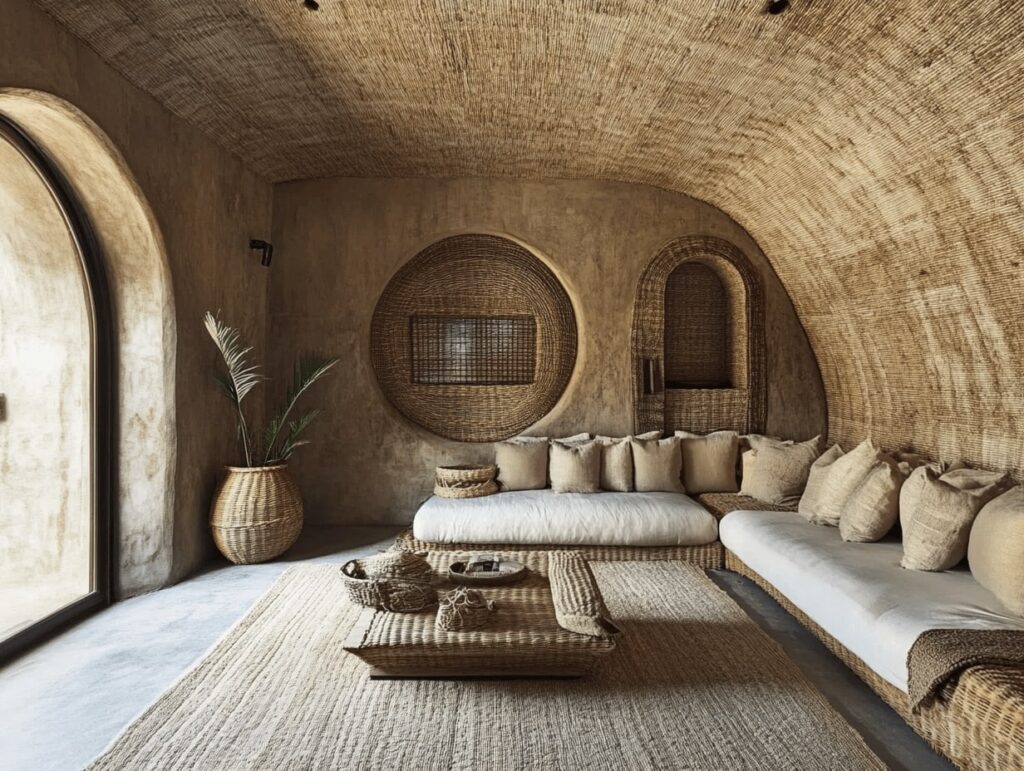
The way we design our homes and workspaces is changing. People are becoming more aware of how their choices affect not just the look of a space, but also health and the environment. Interiors today are not only about style and comfort. They are also about responsibility.
From furniture to finishes, every material we choose plays a role in shaping the overall experience of a space. When selected carefully, materials can improve air quality, reduce maintenance, and create a healthier environment for everyday living.
Understanding the Impact of Materials
Most people focus on colors, layouts, and décor while designing a space. Materials often take a backseat, even though they are one of the most important elements.
The materials used in interiors affect durability, safety, and even indoor air quality. Some materials release harmful chemicals over time, while others are more natural and safe.
Being aware of what goes into your space helps you make better decisions. It allows you to create interiors that are not only beautiful but also comfortable and safe for long-term use.
A Shift Towards Conscious Living
There has been a noticeable shift in the way people approach design. More homeowners and businesses are now looking for options that align with conscious living.
This shift is not about making drastic changes. It is about making smarter choices wherever possible. Choosing long-lasting materials, reducing waste, and focusing on quality over quantity are all part of this approach.
When you invest in materials that last longer, you also reduce the need for frequent replacements. This not only saves money but also reduces environmental impact over time.
Balancing Style and Responsibility
One common misconception is that eco-friendly choices limit design options. In reality, there are plenty of materials available today that offer both style and performance.
Natural wood finishes, stone surfaces, and low-emission paints are just a few examples. These options provide a clean and elegant look while also being better for indoor environments.
Using sustainable interior materials allows you to create spaces that feel modern and timeless at the same time. The key is to find the right balance between aesthetics and functionality.
Improving Indoor Air Quality
Indoor air quality is often overlooked, yet it has a direct impact on health. Materials like certain paints, adhesives, and laminates can release pollutants into the air.
Choosing low-emission products can significantly improve the quality of air inside your home or office. This is especially important for spaces where people spend long hours.
Better air quality leads to improved comfort, reduced health risks, and a more pleasant environment overall.
Durability and Long-Term Value
Another important factor to consider is durability. Materials that wear out quickly need to be replaced more often, which increases both cost and waste.
High-quality materials may require a higher initial investment, but they offer better long-term value. They are more resistant to wear and tear and require less maintenance.
When you focus on durability, you create spaces that remain functional and attractive for years without constant upgrades.
Smart Use of Resources
Efficient use of resources is a key part of modern interior design. This includes choosing materials that are responsibly sourced and produced.
Recycled and engineered materials are becoming more popular because they make better use of available resources. They also reduce the demand for raw materials.
Simple choices like using locally available materials can also make a difference. It reduces transportation and supports local industries.
Creating Warm and Inviting Spaces
Materials have a strong influence on how a space feels. Natural textures and finishes can make interiors feel warm and welcoming.
Wood, stone, and fabric elements add depth and character to a room. They create a sense of comfort that synthetic materials often lack.
By combining different textures, you can create a balanced design that feels both modern and cozy.
The Role of Professional Guidance
Choosing the right materials can be challenging, especially with so many options available. This is where professional guidance can help.
Interior designers understand how different materials perform and how they can be used effectively. They can suggest options that match your needs, budget, and design preferences.
Working with experts ensures that your choices are both practical and visually appealing.
Budget Considerations
It is possible to make thoughtful material choices without exceeding your budget. The key is to prioritize what matters most.
Focus on areas that see the most use, such as flooring, countertops, and furniture. Investing in quality for these elements can have a big impact.
At the same time, you can balance costs by choosing simpler options for less critical areas. A well-planned approach helps in achieving both style and value.
Final Thoughts
The future of interior design is moving towards more thoughtful and responsible choices. It is not just about creating spaces that look good, but also about creating spaces that feel good and last long.
By paying attention to the materials you use, you can make a meaningful difference in both your living environment and the world around you.
Take the time to explore your options, focus on quality, and make choices that align with your values. A well-designed space is one that combines beauty, comfort, and responsibility in a seamless way.