Manufacturing has always been about finding the most efficient way to create products. For a long time, mass production dominated the conversation. It offered speed, consistency, and lower costs, making it the go-to choice for businesses across industries.
But the market today looks very different from what it used to be. Customers are no longer satisfied with one-size-fits-all products. They want something that feels personal, something that reflects their identity or brand.
This shift has brought custom manufacturing into the spotlight. It is no longer a niche option but a serious competitor to traditional production models. Businesses are now forced to rethink how they create and deliver products.
In 2026, the question is not simply which method is better. It is about understanding when to use each approach and how both can shape the future of manufacturing.
What Mass Production Looks Like in 2026
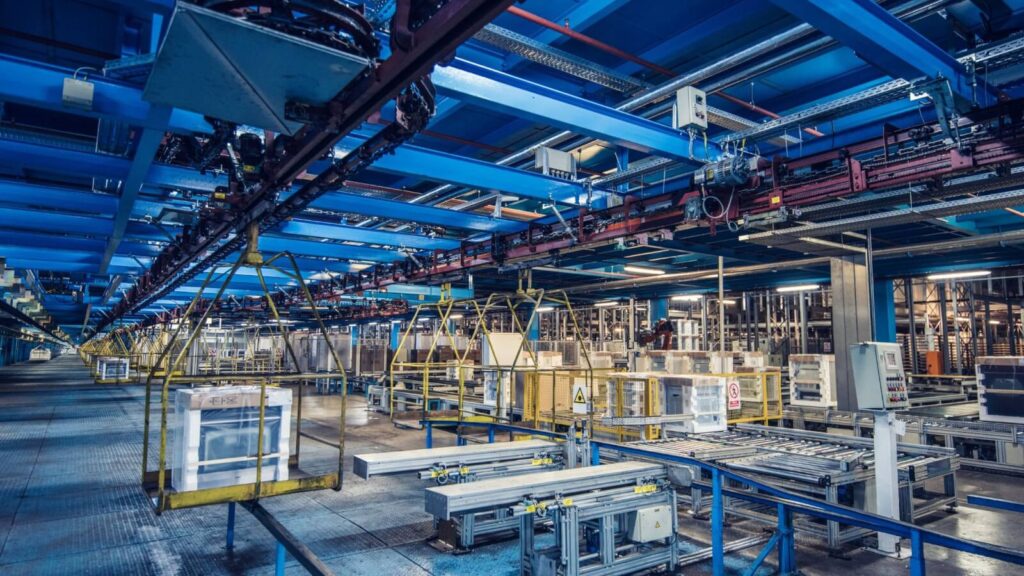
Mass production is still built on efficiency. It focuses on producing large volumes of identical products using streamlined processes and automated systems. This allows businesses to reduce costs and meet high demand without delays.
Industries like electronics, packaged goods, and fast fashion like engagement rings still rely heavily on this model. These are markets where consistency and availability matter more than personalization. Customers expect products to be affordable and easy to access.
In 2026, technology has made mass production even stronger. Automation, robotics, and AI-driven systems have improved accuracy and reduced errors. Production lines are smarter and faster than ever before.
Despite these advancements, the core idea remains the same. Mass production is about scale, predictability, and keeping costs under control.
Understanding Custom Manufacturing Today
Custom manufacturing takes a completely different approach. Instead of focusing on volume, it focuses on uniqueness. Each product is designed to meet specific needs, whether for an individual customer or a brand.
This could mean limited runs, personalized designs, or made-to-order items. The goal is not just to produce but to create something that stands out in a crowded market.
What has changed in recent years is accessibility. Custom manufacturing used to be expensive and limited to larger companies. Now, with better tools and flexible systems, even small businesses can offer customized products.
“Increasing demand for customization is also forcing companies to rethink how they manage procurement challenges across global supply chains,” says Michiel Meyer, CEO & Co-Founder of Workwize. Michael further added, “Businesses today need suppliers, logistics partners, and procurement systems that are flexible enough to support smaller production runs and faster changes in demand. Companies that modernize procurement operations alongside manufacturing capabilities are in a much stronger position to scale customized products efficiently without losing operational control.”
In 2026, customization is no longer a luxury. It is becoming an expectation in many industries.
Cost Differences That Actually Matter
Cost is usually the first thing businesses look at when choosing between these two models. Mass production has the advantage of lower per-unit costs because expenses are spread across large quantities.
However, it often requires a high upfront investment. Setting up production lines, sourcing materials in bulk, and maintaining equipment can be expensive. This makes it risky if demand is uncertain. Industries connected to construction, industrial cleanup, and infrastructure development often experience similar cost pressures, especially when coordinating logistics and operational support services such as dumpster rental services for large-scale manufacturing or facility expansion projects.
Custom manufacturing, on the other hand, has higher per-unit costs. Each product may require different materials, designs, or processes, which increases the overall expense.
But there is another side to this. Custom products often sell at higher prices because they offer something unique. In many cases, the profit margins can balance out the higher production costs.
Speed vs Flexibility
Mass production is unmatched when it comes to speed. Once a system is in place, it can produce thousands of units in a short time. This is essential for businesses that need to meet large-scale demand quickly.
Custom manufacturing works differently. It is slower because each product may require adjustments or unique steps. However, it offers something mass production cannot match, which is flexibility, says Tom Rockwell, CEO of Concrete Tools Direct.
In 2026, flexibility is becoming more valuable than ever. Markets are changing quickly, and trends do not last as long as they used to. Businesses need to adapt fast to stay relevant.
This is where custom manufacturing shines. It allows companies to respond to changes without being locked into large inventories or fixed designs.
Changing Customer Expectations
One of the biggest reasons custom manufacturing is growing is because customers have changed. People want products that feel personal and meaningful. They are willing to pay more for something that reflects their style or values, says Jimi Gecelter, CEO of Tradeit.
This is especially true in areas like branding, merchandise, and promotional products. Businesses want items that represent their identity rather than generic options.
At the same time, affordability still matters. Not every product can be customized without affecting price. This is why mass production continues to play an important role.
In 2026, the market is driven by a mix of both needs. Customers want both accessibility and personalization, which makes the balance between these models more important than ever.
Technology Is Bringing Both Worlds Closer
Technology is one of the biggest reasons this debate is evolving. Tools like digital design software, automated production systems, and AI are changing how products are made.
Mass production is becoming more efficient, while custom manufacturing is becoming faster and more scalable. The gap between the two is shrinking with every new innovation.
Companies like The Monterey Company show how this balance can work in real life. With over 35 years of experience, they focus on creating custom products like coins, patches, pins, and more while still maintaining efficiency and quality.
Their approach highlights how customization does not have to mean slow or expensive. With the right systems in place, businesses can deliver tailored products while keeping the process smooth and reliable.
Inventory and Risk Management
Mass production often comes with higher risk when it comes to inventory. Producing large quantities means businesses need to predict demand accurately. If they overestimate, they may end up with unsold stock.
Custom manufacturing reduces this risk because many products are made to order. This means businesses only produce what is needed, which helps minimize waste.
In a time where sustainability is becoming more important, this advantage cannot be ignored. Reducing excess production is not just good for business but also for the environment.
This is one of the reasons why many companies are shifting toward more flexible production models in 2026.
Quality and Brand Perception
Mass-produced products are often associated with consistency. Customers know what to expect, and quality can be controlled more easily when every item is the same, says Ashley Durmo, CEO of Chalet.
Custom manufacturing, however, adds a different kind of value. It creates a sense of exclusivity and attention to detail. Customers often see customized products as more meaningful and higher quality.
This perception can have a strong impact on branding. Businesses that offer custom products can stand out more easily and build stronger connections with their audience.
In competitive markets, this kind of differentiation can make a big difference.
So, Which One Wins in 2026?
The honest answer is that neither model fully replaces the other. Both mass production and custom manufacturing continue to serve different purposes.
Dan Close, Founder and CEO of BuyingHomes says, “Mass production remains essential for products that need to be affordable and widely available. It is still the backbone of many industries and will continue to be for years to come.”
Custom manufacturing, on the other hand, is growing rapidly. It offers flexibility, personalization, and the ability to create unique products that stand out.
In 2026, the real winner is the combination of both. Businesses that can use mass production for scale while offering customization for added value are in the strongest position.
The Future of Manufacturing
Looking ahead, manufacturing will likely become more hybrid. Companies will blend efficiency with personalization to meet changing demands.
Technology will continue to play a key role in this transformation. As systems become more advanced, the line between mass production and custom manufacturing will become even less clear, says Marissa Burrett, Lead Design for DreamSofa.
This will open up new opportunities for businesses to innovate and connect with customers in more meaningful ways. It will also give customers more choices than ever before.
The focus will not be on choosing one method over the other. It will be on using both in smarter and more strategic ways.
Conclusion
The debate between mass production and custom manufacturing is not about picking a winner. It is about understanding how each approach fits into the modern market.
Mass production offers scale, speed, and cost efficiency. Custom manufacturing brings flexibility, uniqueness, and stronger brand identity. Both have their place in 2026.
As customer expectations continue to evolve, businesses that adapt and combine these approaches will have the biggest advantage. They will be able to meet demand while also delivering products that feel personal and meaningful.
In the end, the future of manufacturing is not about choosing sides. It is about finding the right balance.