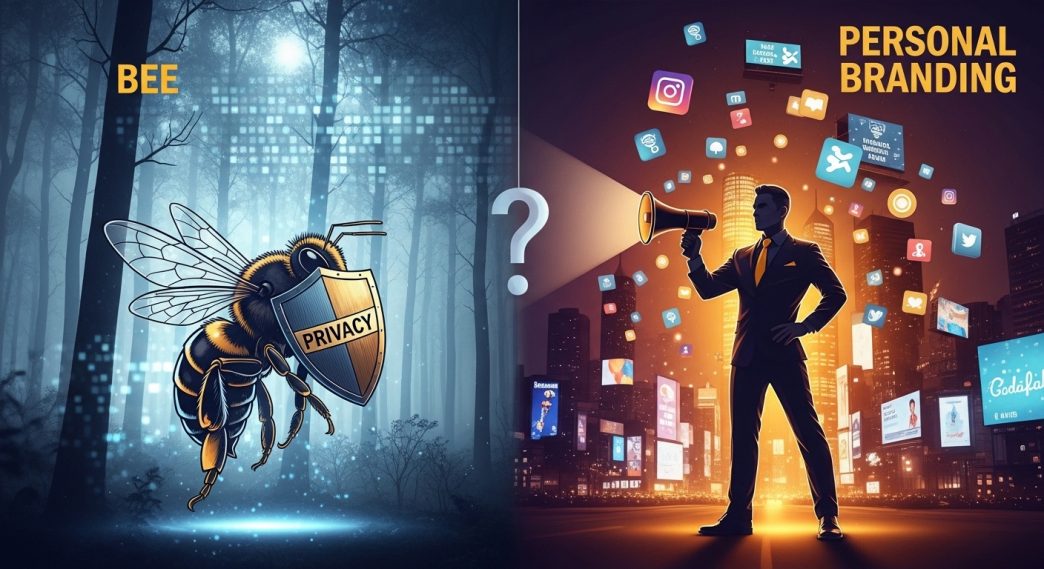
You might not notice it, but it’s happening. A quiet trade-off where you and millions of others end up on the losing side. When you post, share wins, updates, and everything in between, you’re doing more than building a personal brand. You’re also leaving behind a data trail that can be traced back to you.
For creators, freelancers, and professionals keen on personal branding, visibility is the currency. But visibility without boundaries quickly turns into exposure, which may prove costly.
This raises a simple but uncomfortable question: Can you actually build a strong personal brand and still protect your privacy? The answer is yes, but only if you approach both intentionally.
Personal Branding: The Reality
Today, personal branding is not optional. Whether you are a writer, designer, consultant, or business owner, people want to see you. They want your story, your face, your voice, your opinions.
Consistency and authenticity are what drive growth. That often means sharing:
- Your full name
- Your location
- Your work history
- Personal experiences
- Daily lifestyle habits
On the surface, this builds trust. And it works. But behind the scenes, something else is happening.
All that information does not just remain on social platforms. It gets picked up, stored, and resold by data brokers. It gets indexed, scraped, and sometimes even weaponized. The same content that attracts opportunities can also attract risks.
Where Privacy Starts Breaking Down
Most people think privacy risks come from hacking or obvious scams. That is only part of the story.
A bigger issue is passive exposure. It can happen in these ways:
- You mention your city in a post.
- You tag a location in a photo.
- You share a career milestone with your company name.
- You sign up for platforms using your real details.
Individually, these actions seem harmless. But combined, they create a detailed digital profile.
Data brokers collect this information from public records, social media, and online activity.
Then they package and sell it.
This is how companies you’ve never even heard of can end up knowing more about you than you’d expect.
That is where personal branding quietly collides with privacy.
Visibility vs Privacy Is Not a Binary Choice
A lot of people assume you have to pick one. Either you stay private and invisible, or you go all in on visibility and accept the risks.
That way of thinking is outdated. The smarter approach is controlled visibility. This means:
- Being intentional about what you share
- Separating public identity from private life
- Limiting how much personal data is accessible
The goal is not to hide but to set boundaries.
Smart Ways to Build a Brand Without Oversharing
You can still grow online without exposing everything. A few ways to approach this:
- Start with your positioning. Focus on your expertise without leaning too much on personal details. People follow value first.
- Instead of sharing your exact location, keep it broad. A country or region is often enough.
- Be mindful of patterns. Posting routines, frequent locations, or personal schedules can reveal more than you think.
- Use different contact layers. A business email is better than a personal one. A separate number for public use adds another layer of protection.
Most importantly, think long-term. Every post contributes to your digital footprint. Ask yourself this question before sharing: Would I be comfortable with this information being permanently accessible?
If the answer is no, adjust it.
Where Tools Like Privacy Bee Come In
Even with the best habits, you cannot fully control how your data spreads once it is out there. That is where tools like Privacy Bee become useful.
Instead of trying to manually track and remove your information from dozens or even hundreds of data broker sites, data removal services like Privacy Bee can take on a lot of that work for you.
With different tiers you can choose from, it scans for exposed data, identifies where it’s being stored, and works to remove it over time.
This is important because personal branding increases your visibility not just to your audience, but also to data aggregators.
So while you focus on growing your brand, Privacy Bee helps reduce the risk behind the scenes – it’s less about disappearing from the internet and more about removing what shouldn’t have been public in the first place.
Striking the Real Balance
Building a personal brand is about being seen. Protecting your privacy is about controlling what is seen. The balance comes down to understanding that not all visibility is equal. You want your ideas, skills, and work to be visible. You do not need your personal contact details, home address, or private life circulating in data broker databases. That distinction changes everything.
With the right approach, you can:
- Grow your audience
- Attract opportunities
- Build authority
- Stay protected
What This Really Comes Down To
The internet rewards openness, but it doesn’t always protect it. If you are serious about personal branding, you also need to be serious about protecting your data. This is not about fear – it’s about awareness and control.
Share your voice, build your presence, and show up consistently. But do it on your terms. While everyone else is focused only on growth, you can grow and stay protected at the same time. With the right tools and habits in place, it’s possible to stay visible while protecting your privacy.