Until anything goes wrong, most homeowners don’t give their electrical panel much thought. To be honest, that makes sense because it works silently in a basement or utility closet without drawing attention to itself. But contractors who handle HVAC, plumbing & electrical work often say the panel is the first thing they view service calls reveal as neglected. Electrical systems age. Demand grows. Problems build quietly.
The wiring in your house wasn’t made to support a smart oven, an EV charger, a home office, and a 4K TV all at once. At some point, something has to give. Here’s how to know if your panel is already struggling.
Frequent Circuit Breaker Trips
There’s no need to fear if a breaker trips once in a while. However, your panel is warning you it can’t keep up if you’re resetting the same breaker every week or, worse, every few days. Circuit breaker tripping is not a bug; rather, they are an integrated safety reaction. The breaker trips to prevent overheating when a circuit continuously draws more current than it is rated for. Frequent tripping indicates that the underlying load issue has not been resolved.
Economic Incentives and Job Creation
People are surprised by this one. The lights in the hallway dim a little when you flip a switch in the kitchen. Or the lamp in the living room flickers when you turn on the microwave. That’s not a ghost. It’s a voltage drop caused by too much demand being drawn through circuits that share capacity with your lighting. Older homes with 100-amp service panels are especially prone to this; they simply weren’t built for today’s energy appetite.
Warm or Hot Electrical Panel
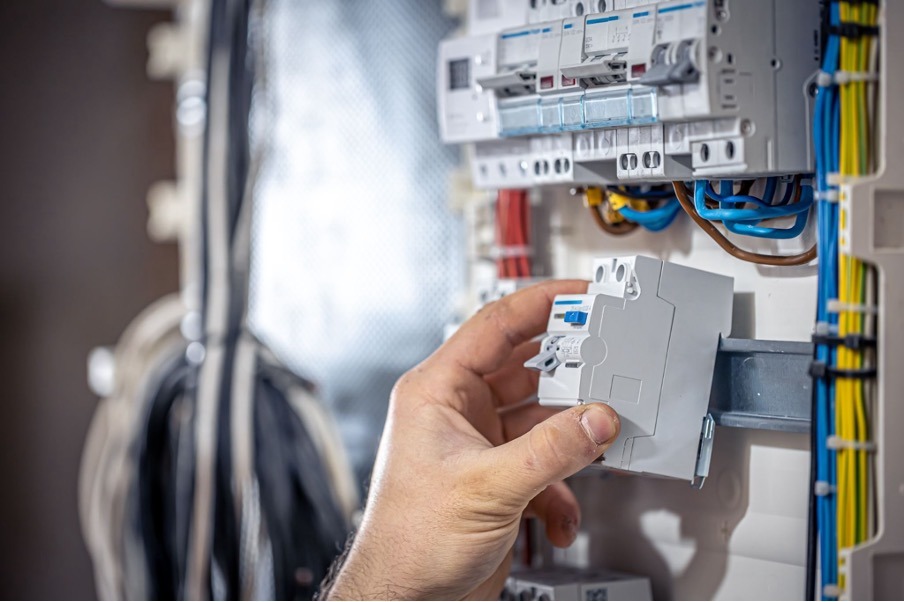
Open your panel door and hold your hand near (not on) the breakers. It should feel neutral room temperature, maybe slightly warm. A hot electrical panel is a red flag. Heat buildup inside the box points to sustained overloading or poor connections, and either one can degrade insulation on wiring over time. If you’ve got a genuinely hot electrical panel, that’s not a “wait and see” situation.
Burning Smell or Sparks
Something is melting or arcing if there is a burning smell next to outlets, switches, or the panel itself. Don’t overlook it. Don’t think it will go away. It can take hours for an electrical fire to start smoldering inside walls. When anything is plugged in, sparks—especially a pop or flash—indicate the same type of issue. Make a same-day call to a certified electrician.
Buzzing or Humming Sounds
Electricity usually doesn’t make any noise when it’s running smoothly. If you hear a faint hum or buzzing sound coming from your panel or outlets, it might happen that a breaker is barely not tripping and thus carrying the load that it was supposed to be disconnected from. Loose wiring and failing breakers both produce this kind of sound. It’s subtle enough that people tune it out for months. Don’t.
Frequent Appliance Malfunctions
Power interruptions are the most common reason why, a lot of the time, appliances tend to act weird, suddenly turn off without warning, work more slowly than usual, or even break down earlier than expected. Overloaded systems throw up voltage fluctuations, which over time ruin motors and electronic parts. The compressor of your refrigerator, the air conditioner, and the washing machine all depend on the uninterrupted flow of electricity.
Outdated or Undersized Electrical Panel
If your home is still equipped with a 60-amp or 100-amp service panel and you’ve known the major appliances or the home renovations to be a feature of your life in the last decade, then it is a possibility that the panel is simply too small for your needs today. Panels and fuse boxes initially made in 1970 or earlier did not have the features necessary for modern electrical demand. Some older panel brands, Federal Pacific and Zinsco, in particular, have documented safety concerns that go beyond just capacity. An electrician can assess whether an upgrade is overdue.
How to Prevent Electrical Panel Overload
High-draw appliances should not be used concurrently on the same circuit. If your oven, dishwasher, and laundry share service, space them out. Make use of smart power strips that have surge protection. Additionally, if your home is older than thirty years, arrange a professional panel examination every five to ten years. Overload of an electrical panel seldom occurs overnight; instead, it develops gradually as demand increases.
In Conclusion
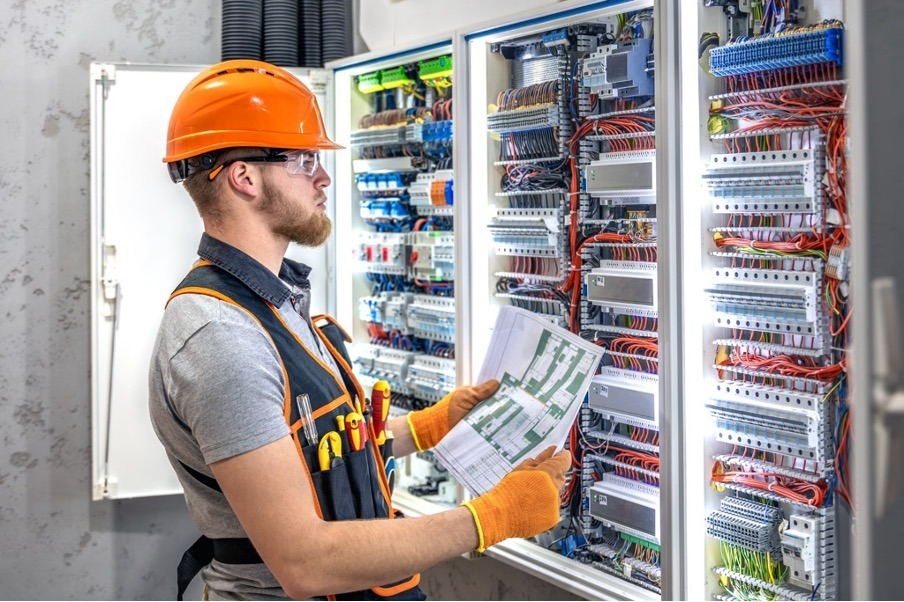
The panel is the focal point of your home’s electrical system. Most of the warning signs mentioned above are fairly recognizable once you know what to look for. Get a certified electrician on site, not next month, if two or more of them are appearing in your house. Electrical panel overload is one of those problems that gets more expensive and more dangerous the longer it waits.