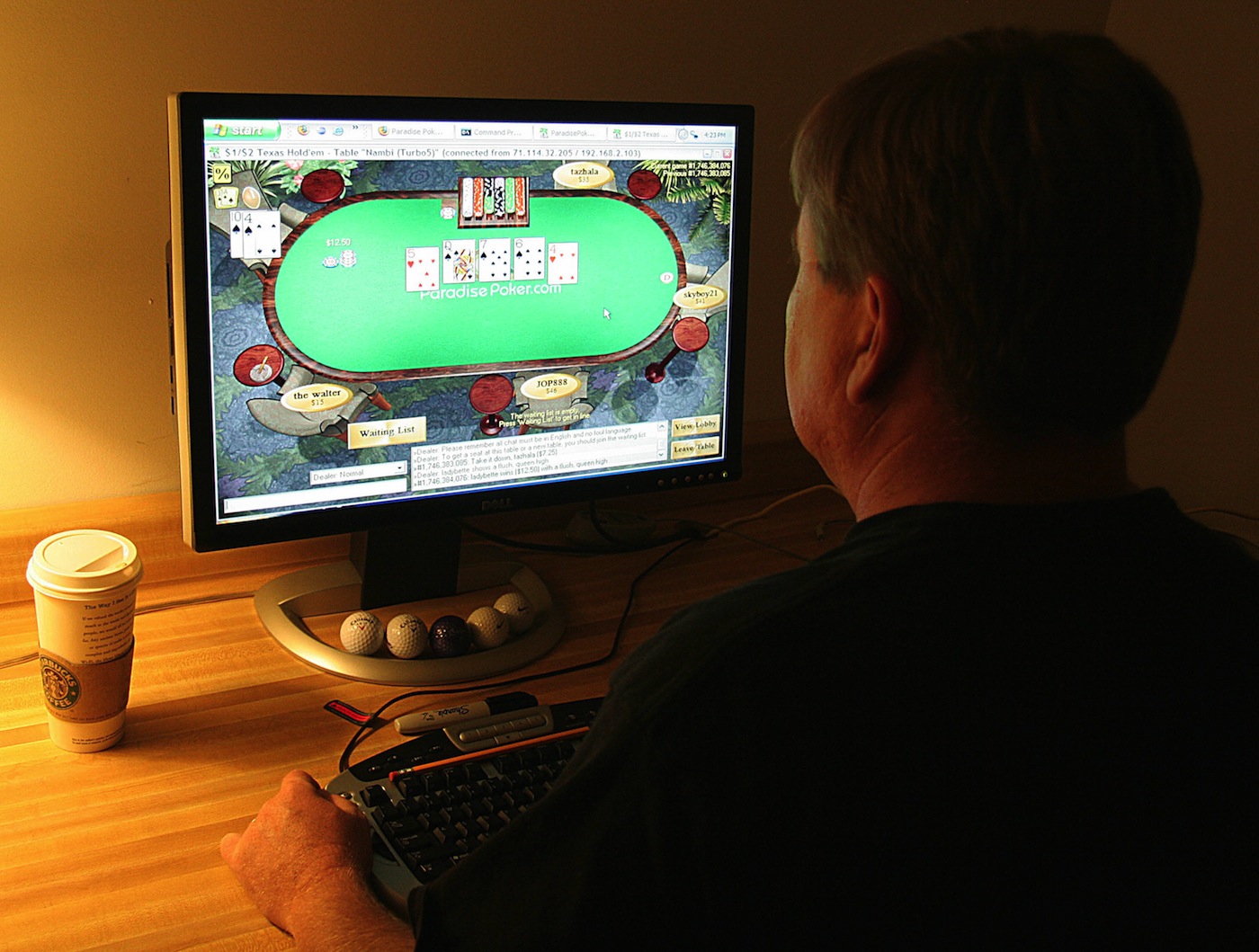
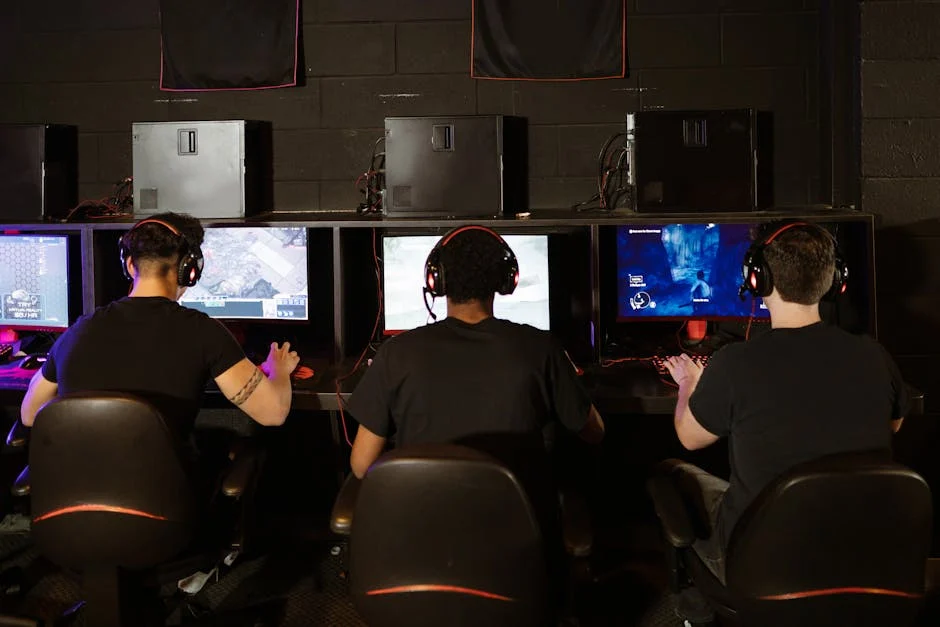
For years, gaming thrived on unpredictability. Players explored, experimented, and learned through repetition. Success often came down to instinct and time spent.
That model is fading.
Today’s players approach gaming with a different mindset. They do not just engage with content. They evaluate it. Before committing to a platform or even a session, many now assess what they are getting into. They look at reward systems, progression mechanics, and overall value.
This is not about removing fun. It is about reducing uncertainty. In an environment where options are endless, informed decisions are becoming the default.
The Interface Has Become a Data Layer
Modern gaming platforms are designed to show their inner workings. Dashboards, performance stats, and reward breakdowns are no longer hidden features. They are central to the experience.
- Players are now exposed to:
- Real-time performance metrics
- Clear reward structures and bonus conditions
- Progress tracking tied to measurable outcomes
This visibility changes behavior. When systems are transparent, players adapt. They begin to think in probabilities, not just possibilities. They start asking what works best, not just what feels right.
The interface is no longer just a visual layer. It is a data layer.
Mobile Access Has Raised the Standard
The always-on nature of mobile gaming has intensified this shift. Decisions are no longer isolated events. They happen continuously throughout the day.
A player can:
- Compare multiple platforms within minutes
- Check updates or new offers instantly
- Switch experiences without friction
This ease of movement has raised expectations. If a platform does not deliver clear value, it is quickly replaced. Loyalty is no longer assumed. It is earned through consistency and transparency.
Mobile access has not made gaming more casual. It has made players more selective.
Comparison Is Now Part of the Process
One of the most defining changes is how players evaluate options before engaging. The idea of committing first and learning later is being replaced by a research-first approach.
Players now compare:
- Reward systems and incentives
- Platform reliability and reputation
- User feedback and payout consistency
This behavior mirrors patterns seen in online shopping and financial decision-making. Gaming is no longer an isolated activity. It is part of a broader digital habit of comparison.
Entertainment platforms like BonusFinder allow users to quickly assess available offers and understand how different options stack up before making a choice.
This does not just save time. It reshapes expectations. When better options are visible, tolerance for poor ones drops.
AI Is Influencing Decisions on Both Sides
Artificial intelligence is deeply embedded in modern gaming platforms. It powers recommendations, adjusts incentives, and predicts user behavior.
From the platform’s perspective, AI is used to guide engagement. It determines what users see and when they see it.
But players are not passive. They are learning to interpret these patterns.
Some recognize when offers are personalized. Others identify timing patterns in rewards. Over time, this creates a feedback loop where both sides are using data to influence outcomes.
Gaming becomes less about reacting to systems and more about understanding them.
The Rise of Value-Based Play
A subtle but important shift is happening in how players define a “good” experience. It is no longer just about enjoyment. It is about value.
Players increasingly consider:
- Time spent versus rewards gained
- Risk versus potential return
- Effort required for progression
This does not mean every player is calculating outcomes in detail. It means the awareness is there. Even casual decisions are influenced by perceived value.
This mirrors behavior across digital platforms. People compare subscription services, track spending, and optimize how they consume content. Gaming is now part of that same ecosystem.
Gaming Communities Are Accelerating Awareness
Information no longer comes only from the platform itself. It comes from other players.
Online communities act as real-time intelligence networks. Players share experiences, highlight opportunities, and expose weak points in platforms.
This creates a collective layer of insight that did not exist before. A single user’s experience can quickly become common knowledge.
For new players, this reduces uncertainty. For platforms, it increases accountability. Poor experiences are harder to hide when information spreads quickly.
The Risk of Overthinking the Game
There is a downside to this level of awareness. When every decision is analyzed, the experience can become overly calculated.
Players may:
- Spend more time comparing than playing
- Rely too heavily on perceived patterns
- Lose spontaneity in favor of optimization
A More Strategic Future
Gaming is not becoming less accessible. It is becoming more informed.
As platforms continue to expose data and tools become more sophisticated, players will adapt further. The gap between casual and strategic play will continue to narrow.
This does not eliminate casual gaming. It changes what casual looks like. Even relaxed players now operate in an environment shaped by information.
The shift is not dramatic, but it is decisive. Gaming is no longer defined by what happens on screen alone. It is shaped by what players know before they even begin.
In this new landscape, the advantage belongs to those who pay attention.