There was a time when “good enough” visuals worked. A slightly mismatched edit, a soft blur around the edges, or imperfect lighting could pass without much attention. Most people didn’t look closely.
That’s no longer true. Today, viewers notice everything. Skin texture, lighting reflections, shadow depth, even the way a face blends into a scene. And a big reason for this shift is the rise of face swap technology.
It hasn’t just improved visuals. It has quietly raised expectations.
Detail Is No Longer Optional
Visual content used to compete on creativity alone. Now, it competes on precision.
When someone looks at an image, their brain instantly checks for:
- Skin consistency
- Light direction
- Edge blending
- Facial alignment
If even one of these feels off, the illusion breaks.
Face swap has changed the baseline. What once looked impressive now looks incomplete if the details aren’t accurate. Creators using Higgsfield are noticing this shift firsthand. Audiences don’t just want creative visuals anymore. They expect them to be technically flawless as well.
Why Small Imperfections Stand Out More
The more realistic technology becomes, the more noticeable imperfections get. It’s a strange effect. Earlier, when everything looked slightly artificial, viewers were more forgiving. Now that face swap can produce highly realistic results, even tiny mismatches stand out.
Things like:
- Uneven skin tones
- Incorrect shadow placement
- Slight angle misalignment
These are no longer minor issues. They directly impact how the content is perceived.
Face Swap inside Higgsfield helps reduce these inconsistencies by maintaining natural texture, lighting, and identity accuracy across the image.
That’s what pushes the quality standard higher.
The Rise of Texture-Level Realism
Earlier editing tools focused on the overall look. Now, detail goes much deeper.
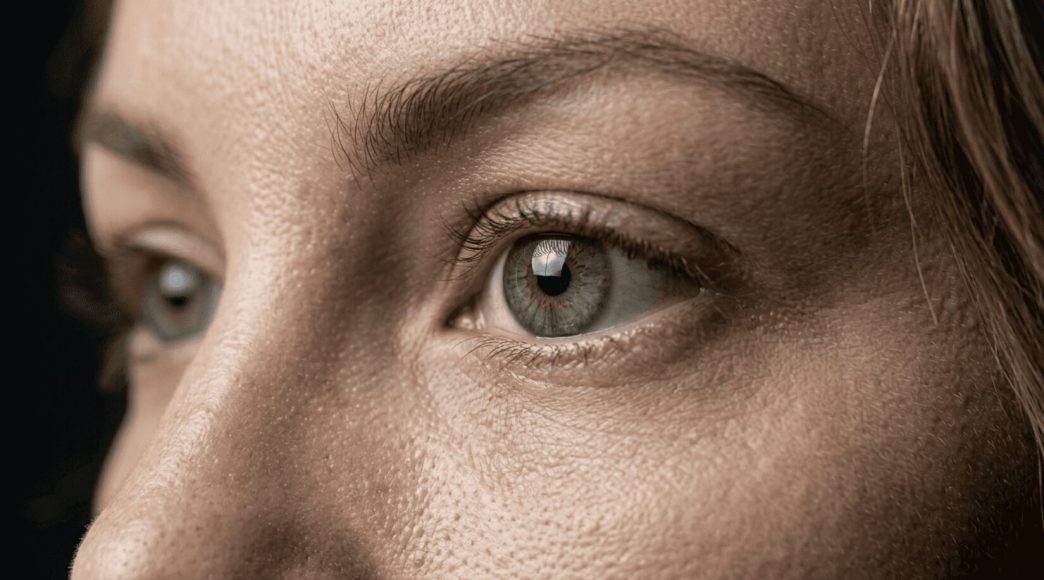
Texture has become one of the most important elements in visual accuracy. Viewers subconsciously notice:
- Skin pores
- Light reflections on the face
- Subtle color variations
- Natural blending with the environment
Face swap technology focuses on preserving these details instead of smoothing them out. That’s why the results feel more authentic.
Higgsfield allows creators to maintain this level of detail without manually adjusting every element, which makes high-quality output more scalable.
Lighting Precision Is Driving Expectations
Lighting is one of the biggest factors in visual accuracy. If the lighting doesn’t match, everything else falls apart.
Modern face swap workflows ensure that:
- Light direction aligns with the scene
- Shadows fall naturally
- Highlights match environmental conditions
This level of precision is what makes visuals feel real. And once viewers get used to it, they expect it everywhere.
Higgsfield supports this by maintaining lighting coherence across different visuals, helping creators achieve consistency without complex editing.
Angle Alignment Is No Longer Forgiving
Angles used to be flexible. Now they are critical. If the face doesn’t match the body angle or camera perspective, it becomes obvious instantly. Even a slight mismatch can break the illusion.
Face swap works best when:
- The head tilt aligns with the body
- The eye line matches the scene
- The perspective feels natural
These details define whether the image works or not. Creators using Higgsfield can refine these elements to ensure that the face fits seamlessly into the composition.
Consistency Across Content Is Raising Standards
One high-quality image sets an expectation. But consistent quality across multiple visuals sets a new standard. When audiences repeatedly see content with precise detail, they start expecting that level everywhere. Face swap contributes to this by allowing creators to maintain identity and realism across different pieces of content.
This consistency builds trust and raises the perceived quality of the entire brand or creator profile.
Motion Content Is Pushing Accuracy Even Further
Static images are just one part of the story. Video content is raising the bar even higher.
In motion, detail accuracy becomes more complex:
- Lighting changes frame by frame
- Expressions shift naturally
- Angles adjust with movement
Maintaining consistency across all these variables requires precision.
Many creators are now combining face swap with professional video editing workflows to ensure that detail accuracy remains intact even in dynamic content.
This blend of tools is pushing expectations even further.
Why Viewers Are Becoming More Demanding
The shift in expectations is not random. Viewers are exposed to better visuals every day. Social media, ads, and digital campaigns are all improving in quality.
As a result:
- People notice flaws faster
- They compare content more easily
- They expect higher standards automatically
Face swap is part of this ecosystem. It raises the quality ceiling, which in turn raises audience expectations. Higgsfield helps creators meet those expectations without slowing down production.
Precision Is Becoming a Creative Advantage
Detail accuracy is no longer just a technical requirement. It’s becoming a competitive advantage.
Content that feels precise and polished:
- Builds trust faster
- Holds attention longer
- Feels more professional
Face swap enables this by ensuring that the most important element, the face, meets the highest quality standards. Creators who focus on these details stand out immediately.
The Shift from Editing to Integration
One of the biggest changes is how we think about editing. It’s no longer about modifying an image. It’s about integrating elements so naturally that the edit disappears. Face swap represents this shift. Instead of visible adjustments, it creates seamless transitions between identity and environment.
Higgsfield supports this approach by focusing on realism and consistency rather than heavy manual editing.
Conclusion
Visual detail accuracy has become the new standard. Face swap is one of the main reasons why. It has changed how images are created, how they are perceived, and what audiences expect from them.
Higgsfield makes it possible to meet these expectations without adding complexity, allowing creators to focus on quality and creativity at the same time.
The result is clear. Details are no longer optional. They define the entire experience. And the bar is only going higher.