The way people enter and secure their homes is undergoing a major transformation. Traditional keys and manual locks are increasingly being replaced by smart access systems that offer greater convenience, improved security, and seamless integration with modern digital lifestyles. As smart home technology continues to evolve, entry points such as doors, gates, and garages are becoming more intelligent, connected, and efficient.
Today, access to a home is no longer limited to physical keys. Homeowners can unlock doors remotely, monitor entry activity in real time, and control access through mobile devices. Service providers such as 1A Garage Doors are increasingly working with systems that integrate automation, remote control, and smart technology, helping transform traditional garage entry points into connected components of modern homes.
The Shift From Physical Keys to Digital Access
For decades, home access relied on physical keys and mechanical locks. While effective, these systems had limitations, including the risk of lost keys, unauthorized duplication, and limited control over who could access the property.
Smart access systems address these issues by replacing physical keys with digital solutions such as:
- Smartphone-controlled locks
- Keypad entry systems
- Biometric authentication (fingerprint or facial recognition)
- Remote access through mobile apps
These systems provide greater flexibility and allow homeowners to manage access from virtually anywhere. Instead of handing out keys, homeowners can grant temporary or permanent access digitally.
Integration With Smart Home Ecosystems
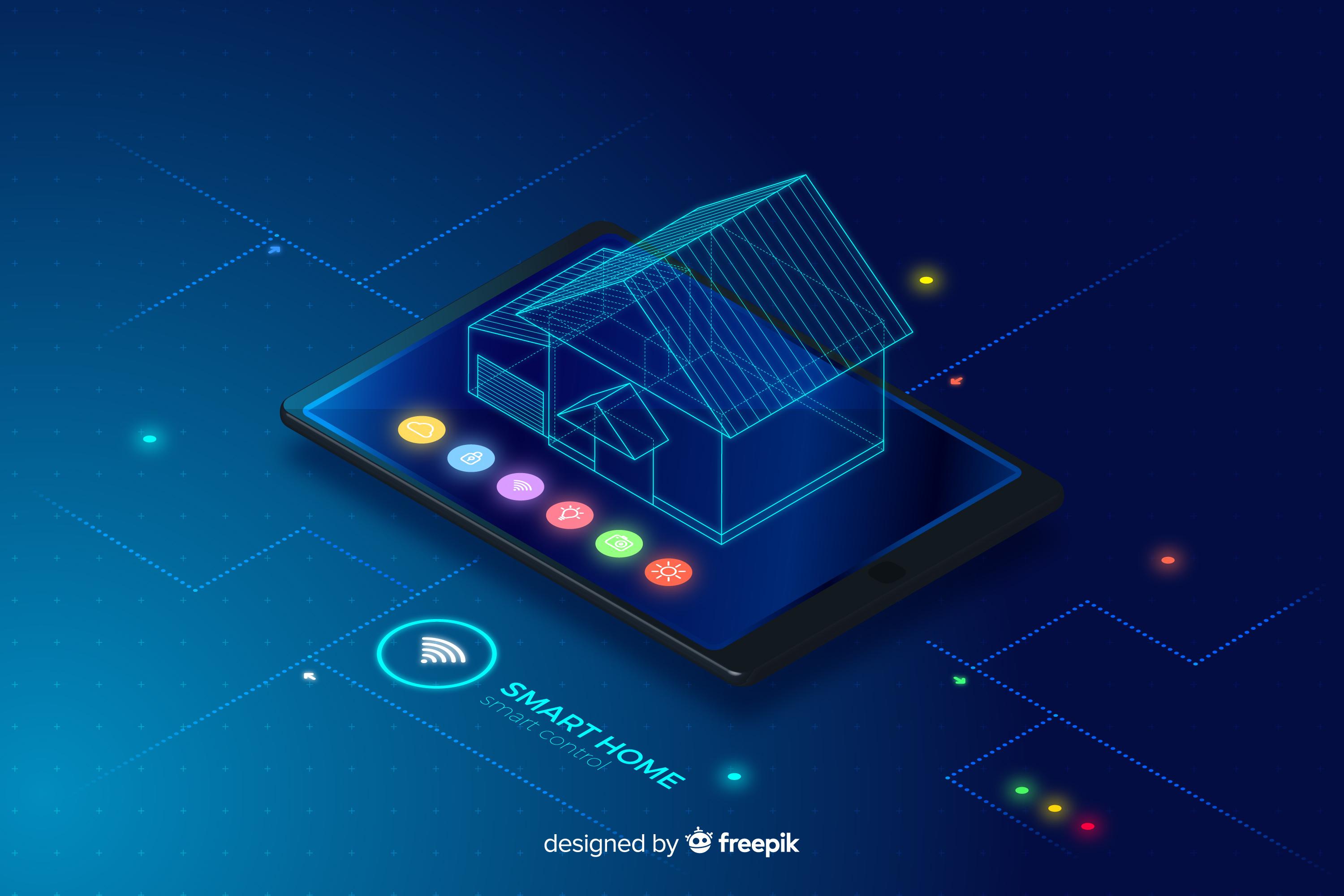
One of the most important features of smart access systems is their ability to integrate with broader smart home ecosystems. Entry points are no longer standalone features, they are part of a connected network of devices.
Smart access systems can connect with:
- Security cameras
- Motion sensors
- Smart lighting
- Voice assistants
- Home automation systems
For example, a homeowner can set up a routine where the garage door opens, lights turn on, and the security system disarms automatically when they arrive home. This level of integration creates a seamless and efficient home environment.
Enhancing Security Through Technology
Security is one of the main reasons homeowners adopt smart access systems. These technologies offer features that go beyond traditional locks, providing better visibility and control over home entry points.
Key security benefits include:
- Real-time alerts when doors or garages are opened
- Remote monitoring through mobile apps
- Access logs that track who enters and exits
- Ability to lock or unlock doors remotely
- Integration with alarm systems
These features help homeowners stay informed and respond quickly to potential security threats.
The Role of Smart Garage Systems
Garage doors are one of the most frequently used entry points in many homes. As a result, they are becoming a key focus of smart access innovation. Modern garage systems can be controlled through smartphones, allowing homeowners to open or close doors remotely and receive notifications about activity.
Smart garage systems offer:
- Remote control access
- Automatic closing features
- Integration with home security systems
- Real-time status updates
- Enhanced safety mechanisms
By upgrading garage systems, homeowners can improve both convenience and security while integrating this entry point into their overall smart home network.
Convenience in Everyday Life
Beyond security, smart access systems provide a high level of convenience. Homeowners no longer need to carry keys or worry about forgetting to lock doors. Access can be controlled with a smartphone, a voice command, or an automated schedule.
Everyday benefits include:
- Hands-free entry
- Temporary access for guests or service providers
- Easy management of multiple entry points
- Reduced risk of lockouts
- Faster and more efficient daily routines
This convenience is one of the main reasons smart access systems are becoming increasingly popular.
Data and Control in Real Time
Smart access systems also provide valuable data that helps homeowners manage their properties more effectively. Access logs and real-time notifications allow users to monitor activity and ensure everything is functioning properly.
For example, homeowners can:
- Check if a door or garage was left open
- Receive alerts when someone enters the home
- Track access history
- Control entry points remotely
This level of control was not possible with traditional systems and represents a significant advancement in home technology.
The Future of Home Entry Systems
As technology continues to evolve, smart access systems are expected to become even more advanced. Artificial intelligence, machine learning, and improved connectivity will further enhance automation and security.
Future developments may include:
- Predictive access systems that adapt to user behavior
- Enhanced biometric authentication
- Deeper integration with smart city infrastructure
These innovations will continue to redefine how people interact with their homes.
A Connected Approach to Home Security
Smart access systems represent a shift toward more connected, efficient, and secure living environments. By integrating entry points with digital technology, homeowners gain greater control, improved safety, and enhanced convenience.
As homes become more connected, entry systems will continue to play a central role in how people manage and experience their living spaces. What was once a simple lock and key has now become a key part of the smart home ecosystem, reflecting the broader transformation of everyday life through technology.