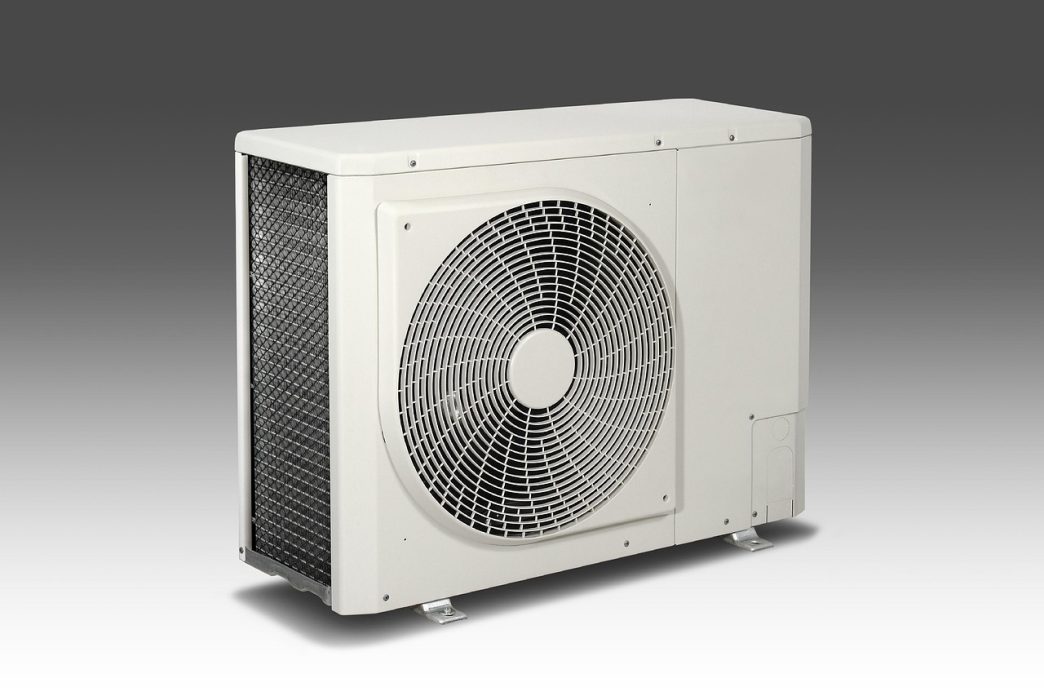
Nobody wakes up excited about replacing their cooling system. It’s not glamorous. It’s not something you brag about at dinner. But there comes a point when the idea of AC replacement stops feeling optional and starts feeling necessary. Usually, it begins small. A room that never quite cools. A thermostat you keep adjusting. That subtle feeling that your system is working harder than it should. You ignore it at first. Most people do. Until you can’t.
1. The “It Still Works” Trap
A system can technically run and still be failing you. That’s the part no one talks about. If your unit is over a decade old, it may still switch on and blow air. But that doesn’t mean it’s performing well. Parts wear down quietly. Efficiency drops gradually. And comfort? It becomes inconsistent. You start making little adjustments. Closing vents. Use ceiling fans more. Lowering the thermostat further than you used to. That’s adaptation. Not performance.
2. Your Energy Bill Is Trying to Tell You Something
Cooling systems don’t suddenly become inefficient overnight. It’s a slow climb. If your energy bill keeps rising and nothing else in your routine has changed, that’s not random. Older systems strain to maintain the same output. They run longer cycles. They consume more electricity doing the same job they once handled easily. Homeowners exploring AC replacement in Plant City, FL, often say their breaking point wasn’t a loud failure. It was their power bill. Month after month of numbers that just didn’t add up. When your cooling costs feel unpredictable, it’s time to ask harder questions.
3. Comfort Shouldn’t Be a Negotiation
Walk into your home. How does it actually feel? Is one room noticeably warmer? Does the air feel heavy? Do you lower the temperature but still feel uncomfortable? Temperature and comfort are not the same thing. Humidity control matters. Airflow balance matters. Older systems struggle with both. A modern unit doesn’t just cool faster. It distributes air more evenly. It controls moisture better. The house feels stable again. And when comfort is stable, you stop thinking about it. That’s the goal.
4. Repairs Add Emotional Cost Too
Yes, repairs cost money. But they also cost patience. Every time something breaks, you rearrange your day. You wait for service. You hope it’s minor. You brace for the invoice. One repair? Fine. Three in one season? That’s a pattern. When the cost of fixing an aging system keeps stacking up, replacement becomes less about expense and more about relief. You stop gambling on “maybe it’ll last one more summer.” Instead, you make a decision from a position of control. That feels different.
5. Replacing Before Failure Changes Everything
There’s a huge difference between planning an upgrade and reacting to a breakdown. When you plan ahead, you compare options calmly. You look at efficiency ratings. You choose a properly sized system. You schedule installation on your timeline. When a unit fails during peak heat, decisions become rushed. Availability shrinks. Stress rises. Replacing early isn’t dramatic. It’s practical. It keeps your household steady instead of scrambling. And installation? It’s usually done within a day. Old unit out. New one in. Air tested. System calibrated. Life goes on, just cooler and quieter.
Cooling systems don’t last forever, and they rarely collapse without warning. Rising energy bills, uneven temperatures, and repeated repairs are signals worth taking seriously. Replacing your unit at the right time can restore balanced airflow, improve efficiency, and remove the uncertainty that comes with aging equipment. It’s not about rushing into change. It’s about recognizing when holding on costs more than moving forward. A steady, dependable system brings comfort back to where it belongs, in the background of your daily life.
If your home isn’t cooling as it should, it might be time for a real conversation. Call Dunlap Heating and A/C at 813-323-2899 today. Ask questions. Get clarity. Make a decision that puts comfort back in your control without pressure or confusion.
FAQs
- How do I know if it’s time to upgrade my cooling system in Plant City, FL?
If you’re in Plant City, FL, and dealing with uneven cooling, rising power bills, or frequent service calls, your system may be nearing the end of its lifespan. A professional evaluation can help determine if upgrading makes more sense than continued repairs.
- How long does a residential cooling system usually last?
Most systems last between 10 and 15 years with regular maintenance. After that, efficiency typically declines and repair frequency increases, making replacement a more practical option for many homeowners.