





Eight (8) school teams from across Uganda are preparing to face off in the Stanbic National Schools Championship 2025 grand finale on August 29 at Mestil Hotel, Kampala, for a chance to win a share of UGX30 million.
This year’s event, dubbed the “Battle of Champions,” marks a decade of the Stanbic National Schools Championship, a flagship youth innovation program by Stanbic Bank Uganda that has become a cornerstone of the country’s drive to embed entrepreneurship, creativity, and problem-solving into the education system.
“This competition is not just about prizes. It’s about giving young Ugandans the tools, platforms, and confidence to solve real-world problems,” said Mumba. “It brings our youth strategy to life, empowering tomorrow’s entrepreneurs today.”
This year’s competition saw over 150 schools begin the journey, with 500 students submitting projects in areas ranging from healthtech to sustainable energy. After a rigorous national boot camp and several elimination rounds, only eight teams advanced to the grand finals.
Cathy Adengo, Head of Sustainability, Stanbic Bank Uganda, said, “These innovations show us what’s possible when we invest in youth, not just as customers, but as co-creators of Uganda’s economic future.”
At stake is more than national pride. The winning team will receive a UGX20 million solar energy system for their school, while the runner-up will take home a UGX10 million water supply system. Other finalists will receive scholastic materials, while two students and a mentor from the top-performing school will enjoy an all-expenses-paid educational trip to Johannesburg, South Africa.
The final 8 include;
- St. Noah SSS Mawaggali (Central Region). Their WalkMate Smart Glasses integrate a locator, smart cane, and wearable glasses to support visually impaired individuals. The innovation offers increased independence and safety, pointing toward a more inclusive tech future.
- Summayya High School (Central Region). This team developed a UTI early detection kit, designed to help especially young women identify and treat urinary tract infections before complications arise. A tool for empowerment and preventive health.
- Sacred Heart SS Mushanga (Western Region). Creators of an automated drinking water pumping and purification system, which is already being piloted at their school. A real-time solution to rural water access and hygiene—a strong contender.
- Ibanda SS (Western Region). This team crafted scented insect-repellent candles made from coffee grounds and cloves — a natural alternative with strong market appeal, targeting hotels, lodges, and households.
- St. Mary’s Girls SS Mandera (Eastern Region). These innovators created a non-invasive glucose testing kit for diabetics. Using urine instead of blood, the kit aims to simplify blood sugar monitoring, especially in rural communities.
- Musana Vocational High School (Eastern Region). In one of the most ambitious projects, this team engineered the MK Independent Power Source — a prototype that generates electricity without sun, wind, fuel, or batteries. A possible disruptor in sustainable energy.
- Comboni College Lira (Northern Region). Responding to energy poverty, this group has developed a smoke-free electric generator designed for rural areas with limited access to clean power.
- Mentor Secondary School (Northern Region). Their automated IV monitoring system could revolutionize patient care in under-resourced hospitals by tracking fluid levels and alerting staff, improving healthcare delivery efficiency.


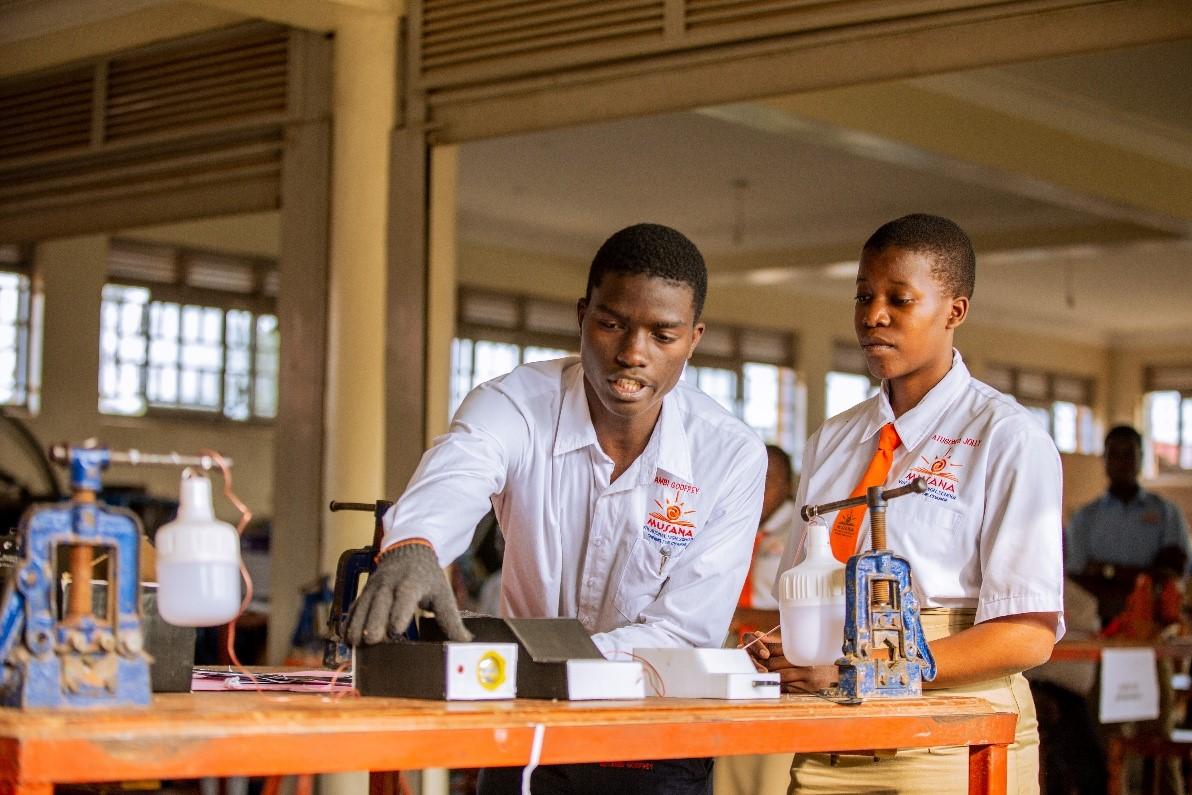
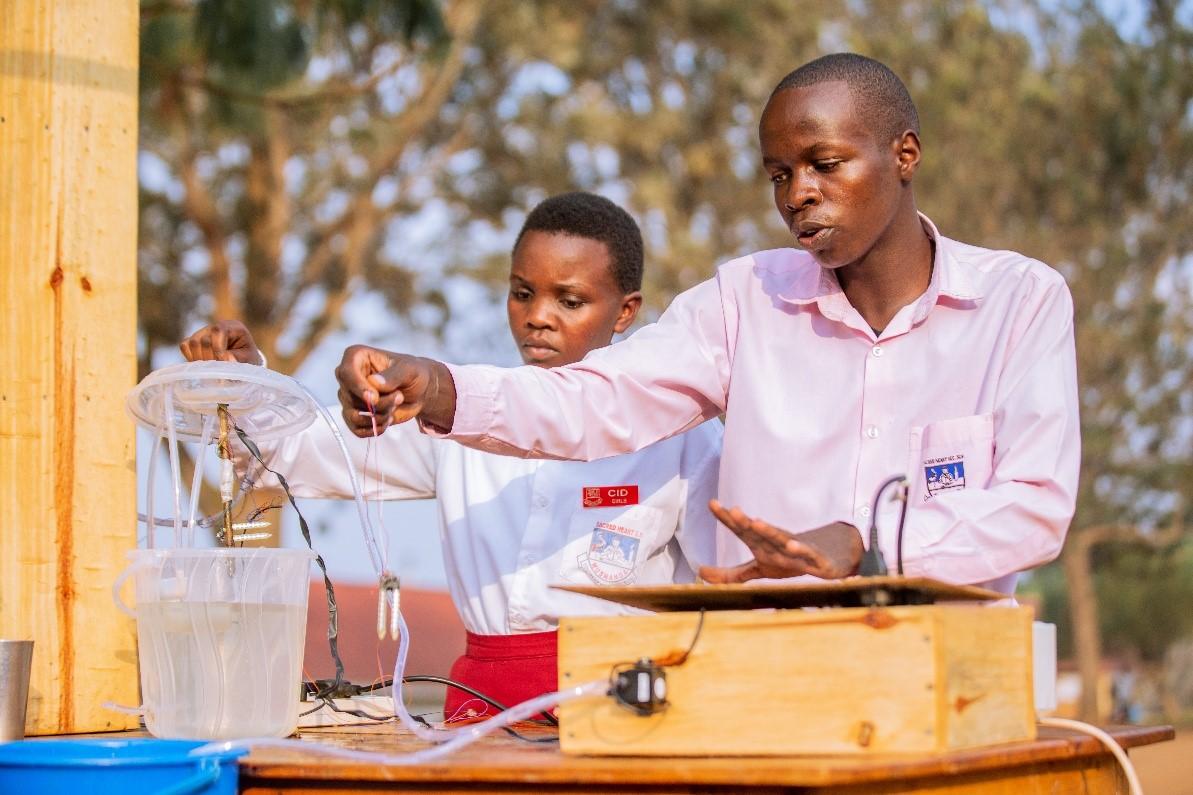
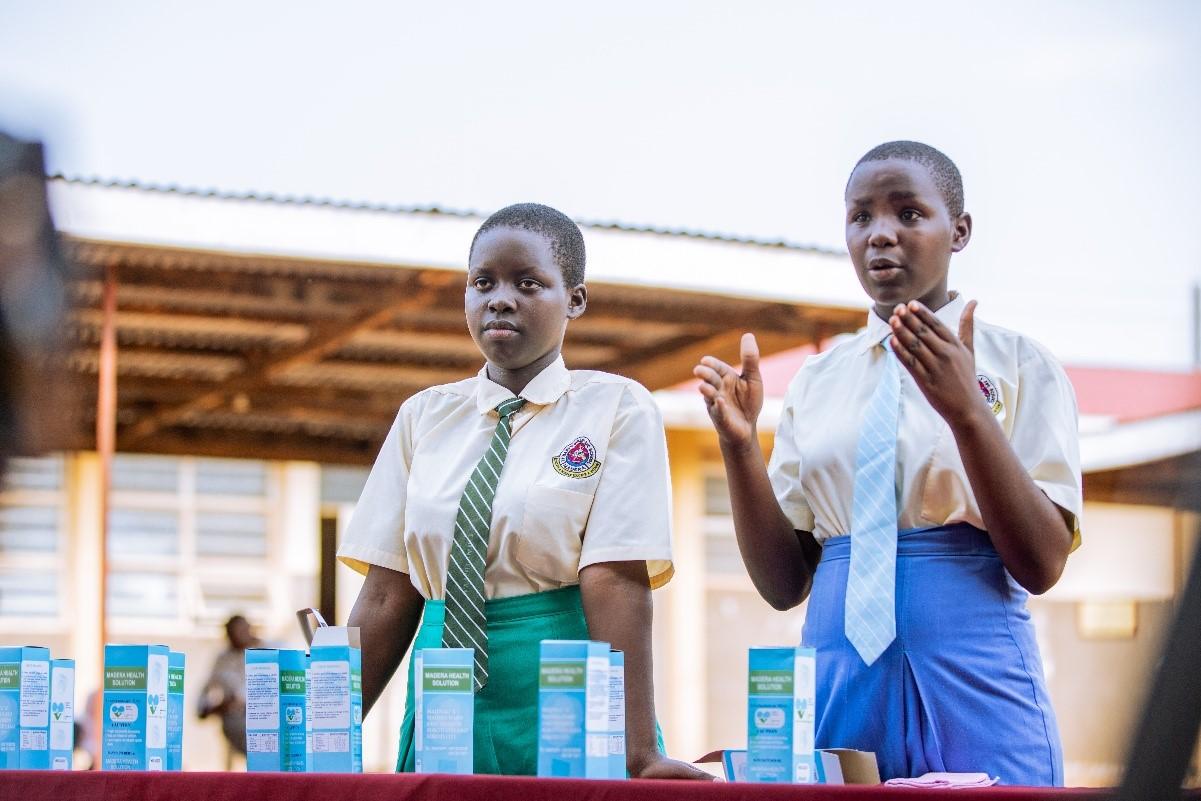

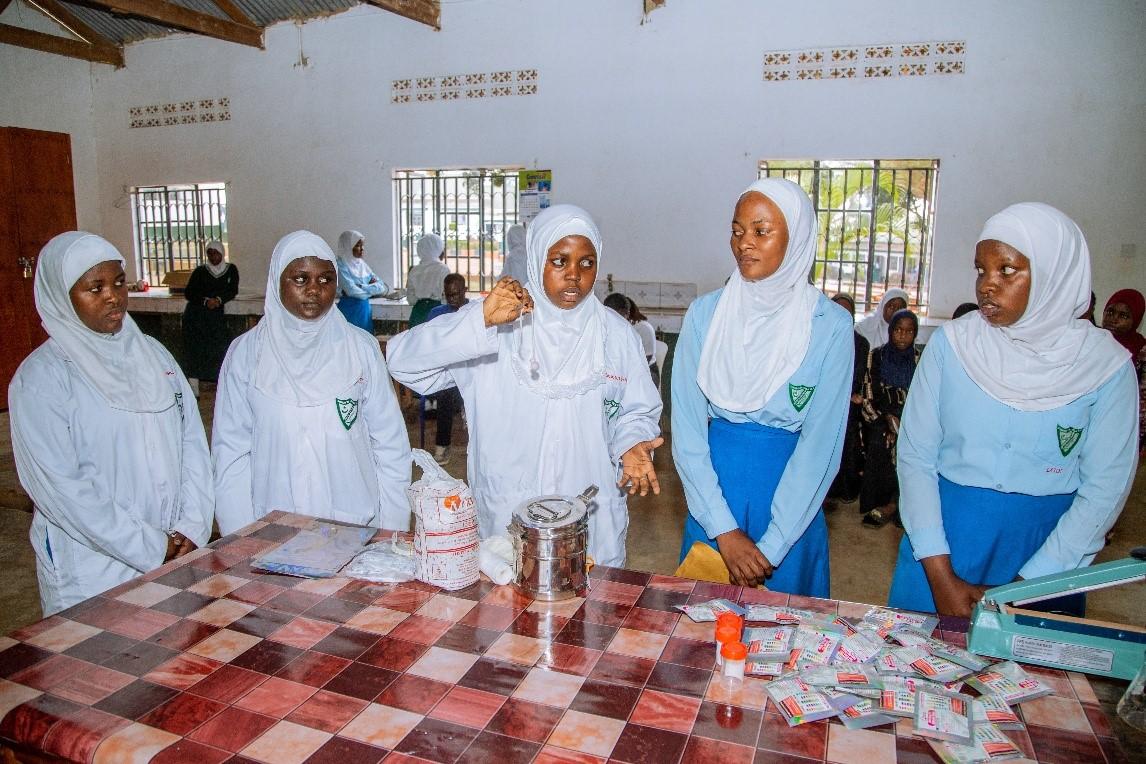
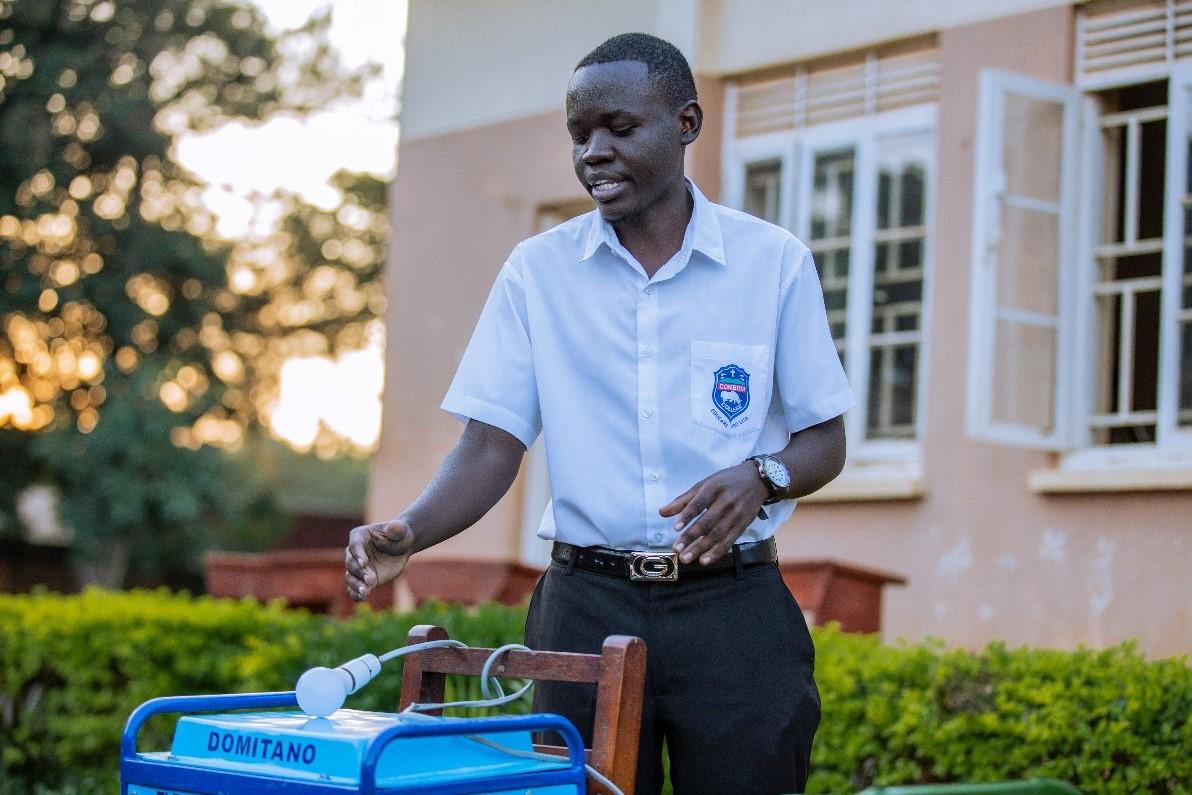
The students pitch their innovations before a panel of experts, investors, and policymakers. The ideas will be judged based on innovation, impact, scalability, sustainability, and presentation.
“Each of these teams has demonstrated the potential to become real entrepreneurs, not just participants in a school project,” remarked Adengo. “This is what transformation looks like, and Stanbic is proud to be part of it.”
Now in its 10th year, the Stanbic National Schools Championship has reached over 500,000 students, sparked more than 200 youth-led enterprises, and cemented itself as a key vehicle in the bank’s Women, Youth, and Farmers growth agenda — a pillar of its 2025/28 strategy.
As Uganda grapples with youth unemployment and a shifting economic landscape, the Stanbic National Schools Championship proves that the country’s greatest asset is already in the room: its young people — thinking boldly, building smart, and solving for tomorrow.


