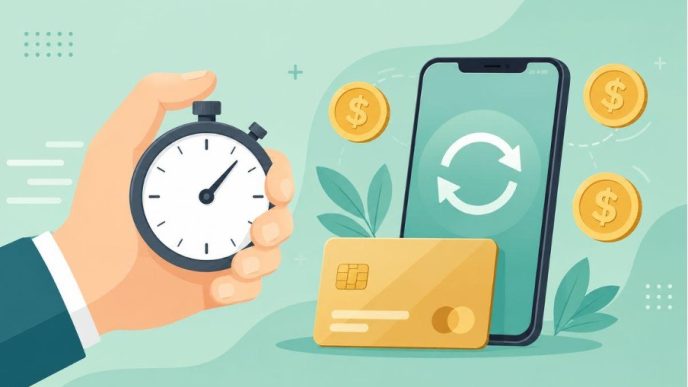

International travel is exciting, but nothing ruins the experience faster than returning home to a shocking phone bill. Roaming charges from your mobile carrier can be extremely expensive, especially if you use mobile data for maps, social media, or video calls while abroad. The good news is that with a bit of preparation, you can stay connected without overspending.
Here’s a practical guide to help you avoid expensive roaming charges overseas.
- Turn Off Data Roaming Before You Travel
One of the simplest ways to prevent unexpected charges is to disable data roaming in your phone settings before leaving your home country. This stops your phone from connecting to foreign networks automatically, which is where most roaming costs come from.
Instead, rely on Wi-Fi until you set up a more affordable alternative.
- Use Wi-Fi Whenever Possible
Free Wi-Fi is widely available in hotels, airports, cafes, and shopping malls around the world. While it may not be available everywhere, using Wi-Fi for messaging, browsing, and calls (via apps like WhatsApp or Zoom) can drastically reduce your data usage.
Just be careful with public networks and avoid logging into sensitive accounts unless you are using a secure connection.
- Switch to an eSIM for Affordable Data
A modern and increasingly popular solution is using an eSIM instead of traditional roaming. An eSIM allows you to download a mobile data plan directly to your phone without needing a physical SIM card.
Many travelers prefer this option because it is fast to activate, flexible, and usually much cheaper than roaming charges from local carriers.
For example, you can always stay connected with Holafly (well-known eSIM provider) while traveling, avoiding the stress of expensive roaming fees and staying online in multiple countries with ease.
- Download Offline Maps and Content
Before traveling, download offline maps using apps like Google Maps. You can also download playlists, movies, and travel guides so you don’t rely on mobile data while exploring.
This reduces your data consumption significantly and helps you stay connected even in areas with poor network coverage.
- Buy a Local SIM Card
In many countries, buying a local SIM card is still one of the cheapest ways to get mobile data. These are often available at airports, convenience stores, or mobile carrier shops.
However, this option may require registration, passport details, or unlocking your phone, so it’s not always the most convenient choice.
- Monitor Your Data Usage
Most smartphones allow you to track data usage and set limits. Keep an eye on which apps consume the most data and disable background data for unnecessary apps while traveling.
Streaming videos and automatic updates are often the biggest data drainers.
- Use Messaging Apps Instead of SMS
Traditional SMS messages can still trigger roaming charges. Instead, use internet-based apps like WhatsApp, Telegram, or Messenger for texting and calling. These apps only use data, which is much cheaper when paired with Wi-Fi or an eSIM plan.
Conclusion
Avoiding expensive roaming charges overseas is all about preparation and choosing the right connectivity option. Whether you rely on Wi-Fi, a local SIM card, or a modern eSIM solution, planning ahead ensures you stay connected without financial surprises.
By switching to smarter alternatives like eSIMs and managing your data usage wisely, you can travel freely while staying online—without worrying about costly roaming bills.