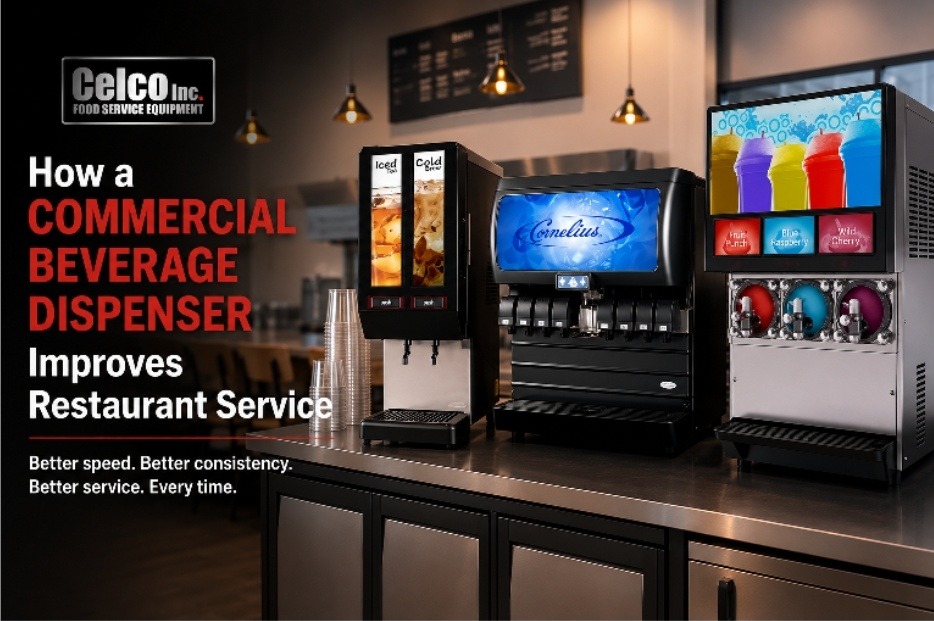
A commercial beverage dispenser improves restaurant service by helping operators serve cold drinks faster, maintain product consistency, reduce labour pressure, and support a smoother guest experience during busy periods. For restaurants, cafeterias, hotels, quick-service concepts, and institutional foodservice operations, beverage service is not a secondary detail. It affects speed, presentation, sanitation, and customer satisfaction every day.
Many operators only think about beverage equipment when something slows down. Drinks take too long to prepare. Staff run out of product during peak periods. Refills become inconsistent. Lines build at the counter. In high-volume operations, these small problems quickly become service issues.
The right beverage dispenser helps reduce those risks. It gives the operation a more reliable way to prepare, hold, and serve cold or frozen beverages while supporting workflow during rush periods.
Why Beverage Service Matters to Restaurant Operations
Beverage service is often viewed as the final step in preparing an order, but it influences much more than what goes into a customer’s cup. Every beverage served becomes part of the overall dining experience, affecting service speed, operational efficiency, customer perception, and even profitability.
When beverage stations function smoothly, most guests never notice. Orders move efficiently, drinks remain consistent, and employees can focus on serving customers instead of solving equipment problems.
However, when beverage service struggles, the impact becomes immediately visible. Long lines, empty dispensers, inconsistent drinks, or repeated equipment interruptions create delays that affect the entire operation.
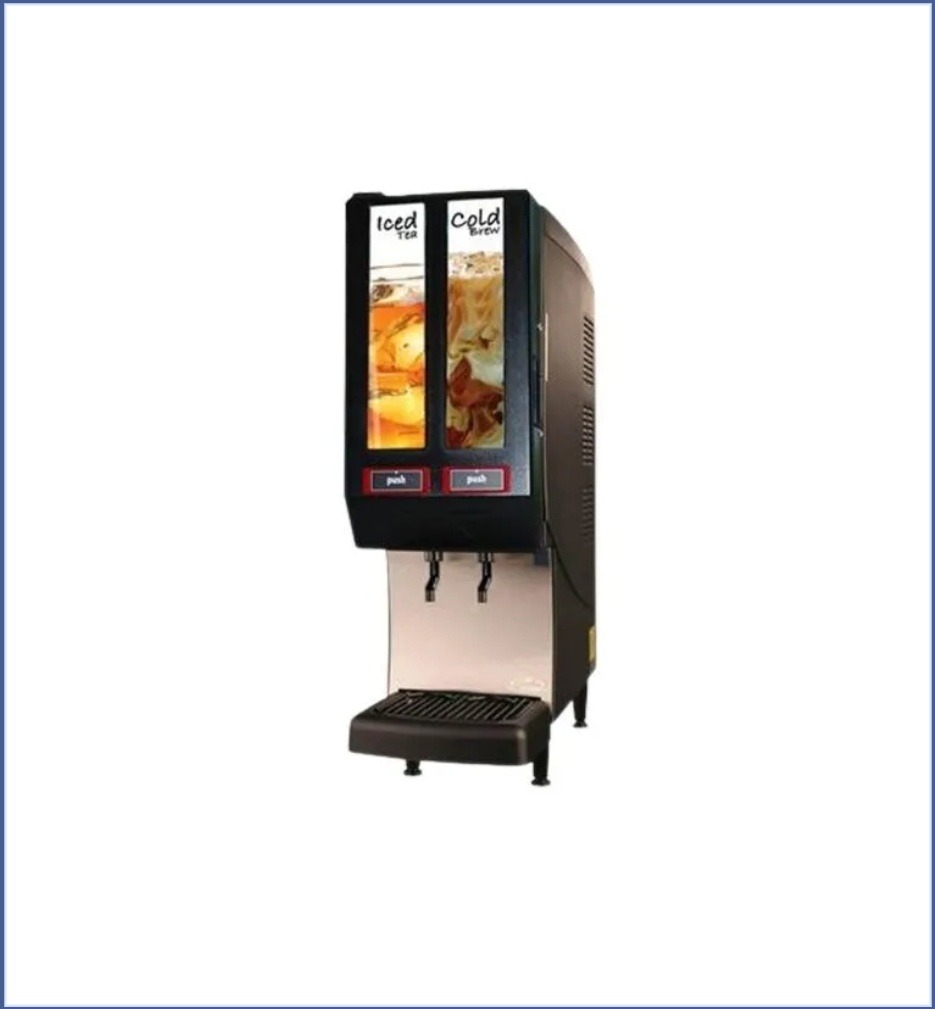
A properly selected commercial beverage dispenser can help operators improve:
- Speed of service
- Portion consistency
- Product quality
- Staff workflow
- Counter efficiency
- Guest satisfaction
- Beverage availability during peak periods
- Sanitation control
Across Canada, beverage demand often changes throughout the year. University dining halls experience heavy traffic between classes, quick-service restaurants become busier during summer tourism, while arenas, recreation centres, and event venues may see sudden spikes during tournaments, concerts, or community events. Equipment that performs well during quieter periods may struggle when these seasonal or event-driven peaks arrive.
How to Choose the Right Commercial Beverage Dispenser for Your Operation
No two foodservice operations serve beverages the same way. A coffee shop may focus on specialty cold drinks throughout the day, while a healthcare facility prioritizes reliability, sanitation, and continuous availability. A sports venue may experience short but extremely high-volume service windows, whereas a full-service restaurant serves beverages steadily throughout meal periods.
Before choosing a commercial beverage dispenser, operators and dealers should consider:
- What beverages will be served?
- How many drinks are served during peak periods?
- Will staff or guests operate the dispenser?
- Is the unit for front-of-house or back-of-house use?
- How much counter or floor space is available?
- What cleaning routines will staff need to follow?
- Will the equipment support current and future volume?
Starting with the operation prevents equipment mismatch. A dispenser should support the menu, service model, space, and staffing realities rather than forcing the team to work around the machine.
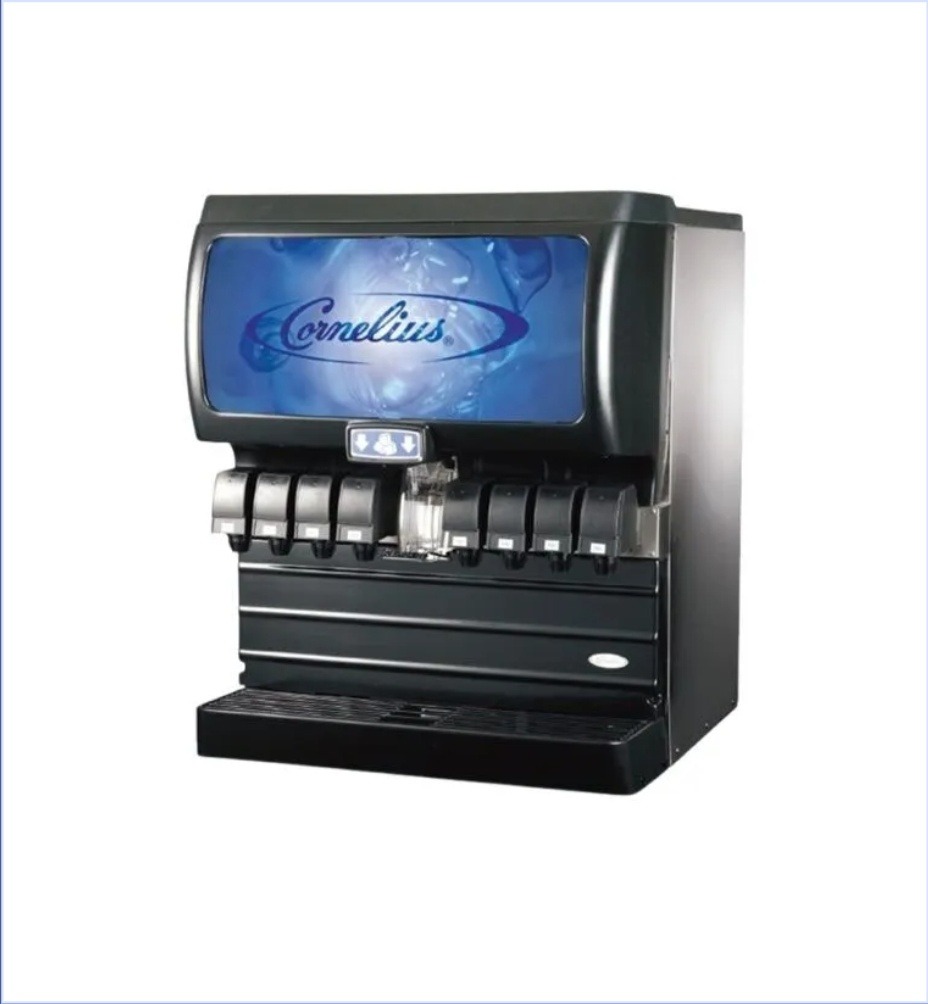
The Impact on Speed of Service and Labour Efficiency
Every second matters during peak service. Whether employees are serving customers during a lunch rush or preparing beverages for banquet service, unnecessary delays quickly affect the rest of the operation.
Imagine a quick-service restaurant serving several hundred beverages over a busy lunch period. If staff must frequently refill ice, troubleshoot inconsistent dispensing, or manually prepare specialty beverages, those interruptions slow the entire service line. Customers wait longer, employees become frustrated, and order accuracy may suffer as pressure increases.
Reliable beverage equipment helps minimize these interruptions by supporting continuous service throughout busy periods. While the exact performance depends on the equipment selected and how it’s configured, operators generally benefit from improved workflow as employees spend less time managing beverage-related tasks and more time serving guests.
Small operational improvements often create meaningful long-term benefits. Saving only a few seconds on each beverage may seem insignificant, but across hundreds of drinks each day, those time savings help restaurants improve throughput, reduce labour pressure, and maintain service quality during the busiest hours.
Why Beverage Consistency Matters for Restaurant Success
Guests notice when beverages are inconsistent. A drink that is too watery, too warm, too sweet, too flat, or unavailable during a rush affects the overall dining experience.
A commercial beverage dispenser helps operators maintain a more consistent product when the equipment is properly selected, installed, cleaned, and maintained. This is especially important for concepts where beverages are part of the brand experience or contribute meaningfully to profit.
Consistency influences more than flavour. Beverage temperature, portion size, carbonation, ice levels, and presentation all contribute to guest satisfaction. When drinks remain consistent throughout every shift, restaurants reinforce customer expectations while reducing complaints and unnecessary product waste.
Consistency also supports staff training. When equipment is intuitive and reliable, new employees can learn service routines faster. This helps reduce errors, waste, and customer complaints.
Sanitation and Food Safety: Protecting Guests and Your Reputation
Beverage equipment comes into direct contact with products that customers consume, making sanitation an essential part of daily operations rather than an afterthought. Even the highest-performing commercial beverage dispenser cannot deliver consistent results if cleaning routines are overlooked or equipment is difficult to maintain.
Residue can gradually build up inside beverage lines, dispensing valves, nozzles, and drip trays. Over time, that buildup may affect beverage flavour, reduce equipment efficiency, and create unnecessary maintenance issues. More importantly, inadequate cleaning can increase food safety risks and affect compliance with local health regulations.
Important sanitation considerations include:
- Ease of disassembly for cleaning
- Nozzle and valve access
- Drip tray design
- Staff cleaning procedures
- Manufacturer maintenance instructions
- Water quality
- Product storage requirements
- Frequency of use
For Canadian foodservice operators, sanitation requirements are enforced through provincial and local public health authorities. While inspection procedures vary across provinces and municipalities, every operation shares the same responsibility: serving beverages safely while maintaining documented cleaning practices.
Installation Planning: Space, Utilities, and Workflow Considerations
Many installation challenges occur because operators focus primarily on equipment dimensions without considering how the dispenser will function within the surrounding workspace. Beverage stations need enough room for staff to refill products, clean components, perform maintenance, and move efficiently during busy service periods.
Before recommending or purchasing equipment, confirm:
- Counter or floor space
- Clearance for operation and service access
- Electrical requirements
- Water line availability, if applicable
- Drainage needs
- Ventilation or ambient temperature concerns
- Product storage and refill access
- Staff movement around the station
Canadian operators should also consider how their facility serves customers throughout the year. A quick-service restaurant with a busy patio season, a hotel hosting conferences, or a university campus serving students between classes may experience significantly different traffic patterns than a long-term care facility or corporate cafeteria. Equipment placement should support those service demands while allowing employees to work efficiently during peak periods.
Taking time to evaluate these factors before installation often prevents costly adjustments later while creating a beverage station that supports both daily operations and long-term growth.
Maintenance and Downtime Risk
A beverage dispenser becomes part of daily service. If it goes down during a busy period, staff may need to improvise with bottled drinks, manual preparation, or slower service methods.
This is why maintenance and serviceability should be considered before purchase. Dealers and operators should evaluate whether replacement parts are accessible, whether staff can complete routine cleaning properly, and whether the equipment is practical for the expected volume.
Questions to ask include:
- How often should the unit be cleaned?
- Which parts require regular inspection?
- Are replacement parts readily available?
- What problems typically occur with heavy use?
- Can staff access key components easily?
- What training is needed after installation?
Creating a documented maintenance schedule allows managers to monitor equipment performance more consistently while helping extend service life and reduce emergency repair costs.
Working with experienced foodservice equipment partners can also simplify maintenance planning by providing operational guidance, replacement part recommendations, and ongoing technical support throughout the equipment’s lifecycle.
Common Beverage Dispenser Selection Mistakes
Many beverage service problems begin during the planning stage. Operators can avoid future issues by watching for these common mistakes:
- Choosing based only on price: A lower upfront cost may lead to higher operating costs if the unit is difficult to clean, underpowered for peak volume, or hard to service.
- Ignoring peak demand: Average daily volume does not tell the full story. The dispenser must keep up during the busiest periods.
- Overlooking cleaning requirements: If cleaning is complicated, it may not happen consistently. That affects sanitation and product quality.
- Forgetting about staff workflow: Poor placement can slow service and create congestion around the beverage station.
- Underestimating service access: Technicians and staff need room to inspect, clean, refill, and maintain the equipment.
- Choosing equipment before defining the beverage program: The dispenser should match the drinks being served, not the other way around.
Questions Dealers and Operators Should Ask
Before selecting a commercial beverage dispenser, the right questions can prevent the wrong recommendation.
About the operation:
- How many beverages are served during peak periods?
- Is service staff-assisted or self-serve?
- Are there seasonal volume changes?
- Will the beverage program expand?
About the facility:
- Is there enough counter or floor space?
- Are water, power, and drainage available?
- Will staff have enough room to refill and clean the unit?
About maintenance:
- Who will clean the dispenser?
- How often will cleaning be documented?
- Are service parts available in Canada?
- What training will staff need?
Answering these questions before comparing equipment allows you to narrow your options based on operational needs rather than marketing specifications.
Supporting Better Beverage Service Starts with Better Planning
A commercial beverage dispenser can improve restaurant service when it is selected for the way the operation actually works. The right system does more than pour drinks faster. It supports staff workflow, protects product consistency, reduces avoidable interruptions, and helps guests receive the same experience during quiet periods and peak service.
For Canadian foodservice operators, that means looking beyond the dispenser itself. Volume, beverage type, available space, utility requirements, sanitation routines, staff training, service access, and long-term maintenance all influence whether the equipment will support the operation or create new problems later.
This is where equipment guidance matters. Commercial kitchen suppliers are often part of the decision process because they help dealers and operators connect product specifications with real kitchen conditions. When those conversations happen early, the final choice is more likely to support better service, stronger reliability, and long-term performance from the first pour onward.
About The Author
Since 1975, Celco has built its reputation by helping Canadian foodservice operators, consultants, dealers, and institutions solve operational challenges through expertise, service, and long-term partnership. Instead of simply supplying equipment, the team works alongside customers to identify solutions that improve efficiency, support day-to-day operations, and contribute to lasting success.
If you’re planning a new beverage station or upgrading existing equipment, consulting with experienced foodservice professionals early in the planning process can help ensure your investment supports your operation today while preparing for tomorrow’s opportunities.