Industrial technology has evolved dramatically over the past several decades.
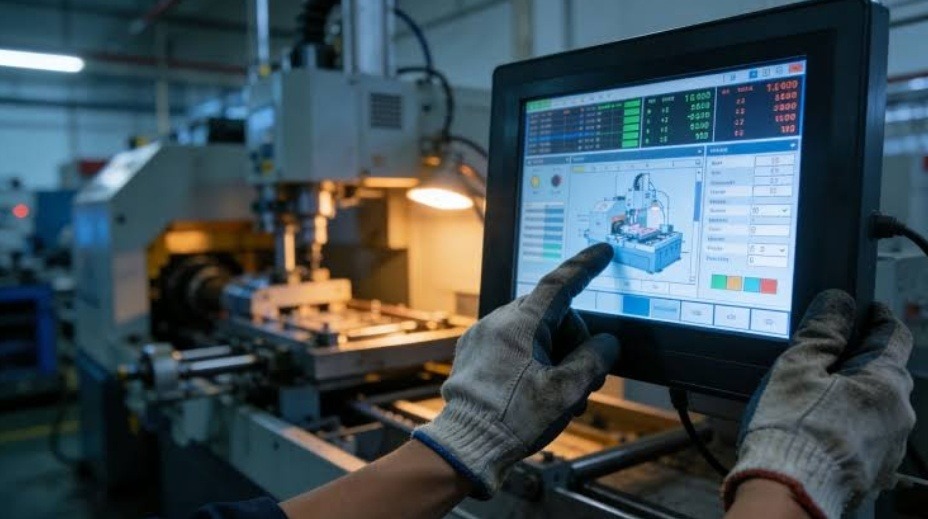
Factories have become more automated, machinery has become more sophisticated, and manufacturers are constantly searching for ways to improve efficiency, reliability, and user experience. Yet one area that often goes unnoticed is the evolution of the control interfaces people interact with every day.
Buttons, switches, and control panels may seem like simple components, but they play a critical role in how operators manage equipment and systems. As industries continue demanding higher levels of durability and performance, traditional mechanical controls are increasingly being replaced by more advanced alternatives.
One of the most interesting developments is the growing adoption of piezo touch metal switches in industrial environments where reliability and durability are essential.
Why Traditional Mechanical Controls Face Challenges
Mechanical switches have served industries well for many years.
However, they rely on moving parts.
Over time, repeated use can contribute to:
- Wear
- Mechanical failure
- Reduced responsiveness
- Increased maintenance requirements
In demanding environments, these issues can become particularly significant.
Industrial facilities often operate around the clock, making reliability a top priority.
Every Component Matters
Even small control failures can affect productivity.
When equipment downtime occurs, the costs may extend far beyond the replacement of a single component.
This reality has encouraged manufacturers to explore more durable alternatives.
Durability Has Become a Major Priority
Modern industrial environments frequently expose equipment to challenging conditions.
Examples include:
- Dust
- Moisture
- Chemicals
- Vibration
- Temperature fluctuations
Control interfaces must continue performing despite these factors.
This has fueled interest in technologies designed to minimize wear while maintaining consistent operation.
Less Maintenance Means Greater Efficiency
Reducing maintenance requirements benefits both operators and organizations.
Reliable controls help support smoother workflows while minimizing unexpected interruptions.
Design Is Evolving Alongside Performance
Industrial design is no longer focused solely on functionality.
Manufacturers increasingly recognize the importance of creating interfaces that are intuitive and visually appealing.
Modern control solutions often offer:
- Streamlined appearance
- Simplified operation
- Enhanced durability
- Improved user experience
The result is equipment that feels more modern while maintaining industrial-grade performance.
Technology Supports Better User Experiences
Operators interact with controls constantly throughout the workday.
Small improvements in usability can have a meaningful impact on productivity and comfort.
Well-designed control systems help users:
- Work more efficiently
- Access functions more easily
- Reduce errors
- Improve operational consistency
These benefits contribute to better overall performance.
Simplicity Often Creates the Best Results
The most effective interfaces are often those that make complex tasks feel simple.
Industrial design increasingly reflects this philosophy.
The Future of Industrial Controls
As manufacturing and automation continue advancing, the demand for durable, reliable control technologies will likely continue growing.
Many organizations are adopting advanced Metal switches because they offer an attractive combination of performance, longevity, and modern design.
These innovations help support the next generation of industrial equipment while reducing many of the limitations associated with traditional controls.
Small Components, Big Impact
Control interfaces may represent only a small portion of a machine, but their influence is significant. Reliability, durability, and ease of use all contribute to overall system performance. As industrial environments become more demanding, advanced control technologies are helping manufacturers create equipment that performs better, lasts longer, and delivers a superior user experience.