The Difference Between Buying and Selling Rates
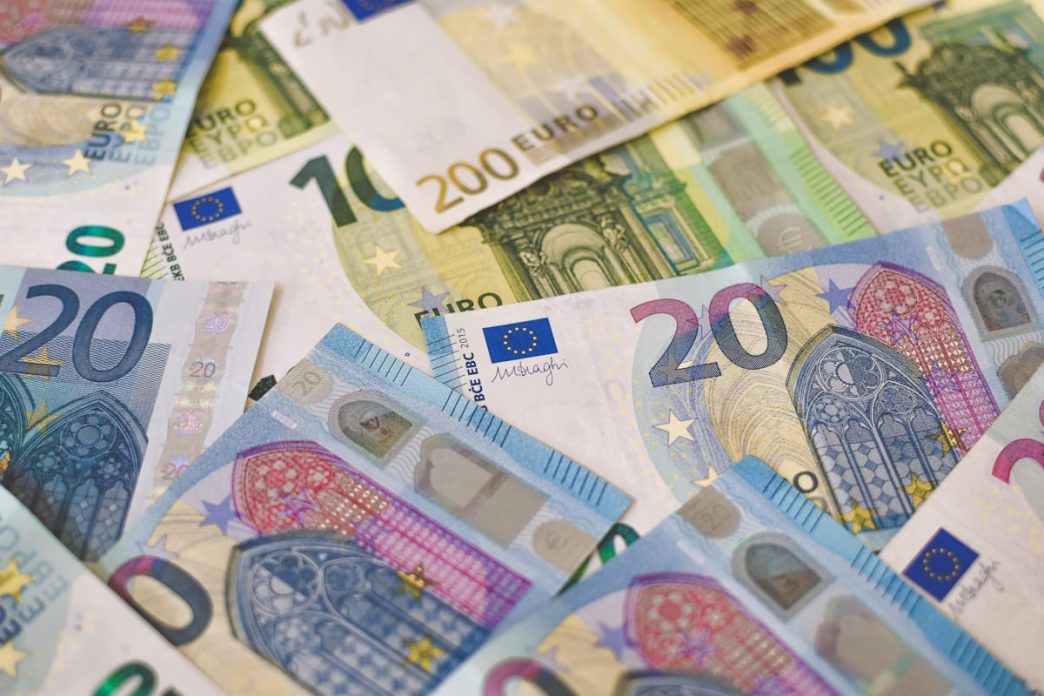
When you’re looking to get euros, you’ll run into two main rates: the buying rate and the selling rate. Think of it like this: the bank or exchange service is buying your dollars to give you euros, and they’re selling you euros in exchange. The rate they offer you to buy euros from them will always be a bit higher than the rate they’d give you if you were selling euros back to them. This difference is how they make their money.
It’s important to spot this difference because it directly impacts how many euros you get for your dollars. A wider gap between the buying and selling rates means you’ll end up with fewer euros. Always check which rate is being applied to your transaction. The goal is to find a provider with a narrow spread between these two rates.
Why Exchange Rates Fluctuate
Exchange rates aren’t static; they move around constantly. This fluctuation is driven by a bunch of things happening in the global economy. Big events, like changes in interest rates, political stability in countries, or even major news stories, can all cause the value of one currency to go up or down compared to another. It’s a bit like a stock market, but for money.
For travelers, this means the amount of euros you get for your dollars today might be different tomorrow. If the euro gets stronger against the dollar, you’ll need more dollars to buy the same amount of euros. Conversely, if the euro weakens, your dollars will stretch further. Keeping an eye on these trends can help you decide when to buy.
Using Online Tools for Real-Time Rates
Forget guessing or relying on outdated information. The internet offers a straightforward way to see what the current exchange rate is. Many websites and apps provide real-time updates, showing you exactly how many dollars it takes to get one euro at that very moment. These tools are usually free and incredibly easy to use.
Using these online resources lets you compare different providers quickly. You can see who is offering the best rate right now without having to visit multiple physical locations. This real-time data is your best friend for making an informed decision before you buy euros. It helps you avoid getting a bad deal simply because you didn’t know the current market value.
Strategic Timing for Purchasing Euros
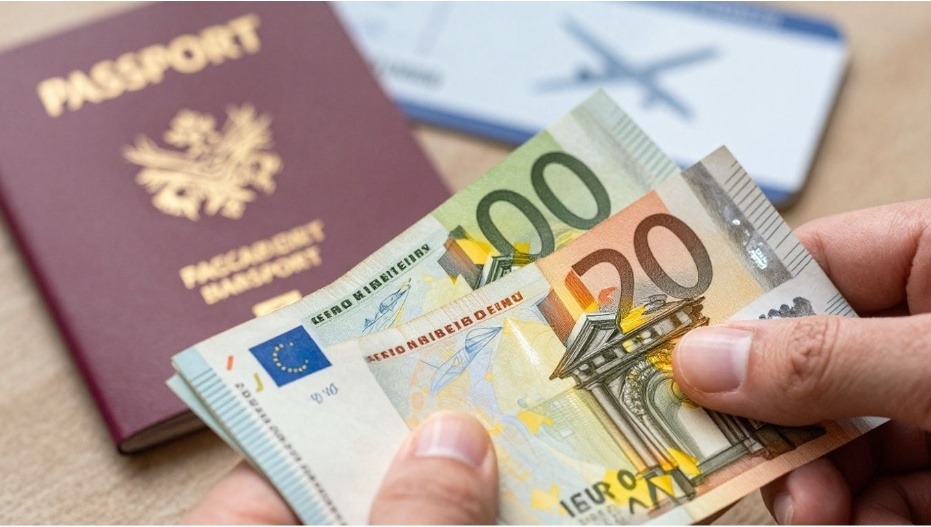
Monitoring Market Trends Before You Buy
Figuring out the best time to buy euros can feel like a guessing game, but a little bit of homework goes a long way. Exchange rates aren’t static; they shift constantly based on global economic events, political news, and market demand. Keeping an eye on these trends for a few weeks before your trip can give you a better sense of whether the rate is likely to improve or worsen. Don’t just grab euros the moment you think of your trip.
Think of it like watching the stock market, but for currency. You don’t need to be a financial whiz, but a quick look at historical rate charts can be informative. Many currency exchange websites offer tools that show you how a particular currency has performed over the past year. This can help you spot patterns and make a more informed decision about when to make your purchase. Remember, even small shifts in the exchange rate can add up when you’re buying a significant amount of currency.
It’s also worth noting that major economic announcements or political developments can cause sudden fluctuations. While you can’t predict these perfectly, being aware of the general economic climate can help you avoid buying euros right before a major event that might cause the rate to drop. This proactive approach to strategic timing can save you money.
Avoiding Last-Minute Purchases at Airports
We’ve all been there – rushing to the airport, realizing you forgot to get euros, and then spotting the currency exchange booth. It seems convenient, but it’s almost always the most expensive option. Airport exchange desks know you’re in a bind, and they charge a premium for that convenience. The exchange rates offered are typically much worse than what you’d find elsewhere, and they often come with hefty hidden fees.
Resist the temptation to exchange money at the airport. The difference between the rate you’ll get there and a rate secured a few days earlier from a bank or online platform can be substantial. This difference can easily translate to tens or even hundreds of dollars less spending money once you arrive in Europe. It’s a classic example of paying for convenience at a steep price.
Instead of relying on airport exchanges, plan ahead. If you absolutely must get cash at the airport, try to find an ATM affiliated with a major bank. While there might still be a small fee, it’s usually far less than what an exchange booth will charge. The best strategy, however, is to avoid this situation altogether by arranging your currency exchange well before your travel date.
The Advantage of Early Currency Acquisition
Acquiring your euros well in advance of your departure date offers a significant financial advantage. When you buy currency early, you give yourself the best chance to shop around and compare rates from different providers. This allows you to find the most favorable exchange rate and avoid the inflated prices often associated with last-minute purchases or airport exchanges. It’s about taking control of your travel budget rather than letting currency fluctuations dictate it.
Early acquisition also means you can monitor the exchange rate over a period. If you see a favorable trend, you can act on it. Conversely, if the rate seems unfavorable, you have time to wait for a better opportunity. This patient approach can lead to substantial savings, especially for larger sums of money. It removes the stress of currency exchange from your pre-travel to-do list.
Furthermore, having your euros in hand before you leave means you can start using them immediately upon arrival. This avoids the need to find an ATM right away or deal with potentially confusing exchange processes at your destination. It allows for a smoother transition into your vacation, letting you focus on enjoying your trip from the moment you land. This proactive step in strategic timing is a smart move for any traveler.
Comparing Options to Buy Euros Effectively
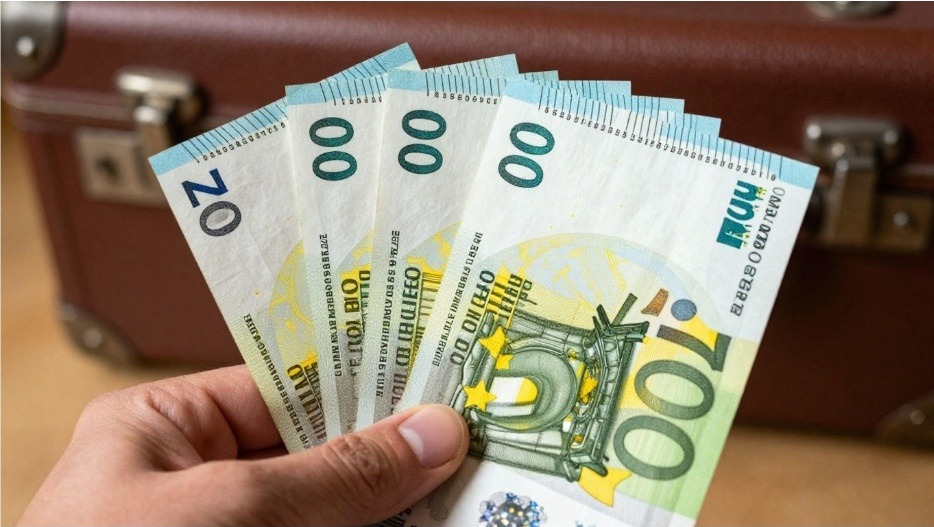
When it comes to getting your hands on euros before a trip, you’ve got a few different avenues to explore. Each has its own set of pros and cons, and understanding them can save you a good chunk of change. It’s not just about the advertised rate; there are other factors that play a big role in the total cost.
Evaluating Banks and Credit Unions
Your local bank or credit union is often the first place people think of for currency exchange. They’re familiar, and you might already have an account with them. This can sometimes lead to better rates or fewer fees, especially if you’re a long-time customer. However, banks aren’t always the most competitive when it comes to exchange rates, and they might not always have the exact amount of euros you need on hand, requiring you to order in advance.
- Convenience: Familiarity and existing relationship can simplify the process.
- Potential for better rates: Existing customers might get preferential treatment.
- Advance ordering: Often necessary for larger amounts, so plan ahead.
Exploring Online Currency Exchange Platforms
Online platforms have really changed the game for currency exchange. They often operate with lower overheads than traditional brick-and-mortar institutions, which can translate into more favorable exchange rates for you. Many allow you to lock in a rate and have the currency delivered to your home or a pickup location. It’s vital to compare the total cost, including any delivery fees or service charges, not just the headline rate.
- Competitive rates: Often better than traditional banks.
- Home delivery: A convenient option for many travelers.
- Compare total costs: Factor in all fees before committing.
Considering Currency Exchange Houses
Currency exchange houses, often found in tourist areas, airports, or city centers, offer immediate access to foreign currency. While they provide instant gratification, they are frequently the most expensive option. The convenience comes at a price, and their exchange rates can be significantly less favorable than other methods. If you find yourself needing euros in a pinch, they can be a lifesaver, but for planned purchases, it’s usually best to look elsewhere.
Always check the buy and sell rates carefully. The difference between them, known as the spread, can tell you a lot about how much the exchange house is marking up the currency.
Minimizing Costs When You Buy Euros
Identifying Hidden Fees and Commissions
When you’re looking to buy euros, it’s easy to get fixated on the exchange rate itself. But that’s only part of the picture. Many places that exchange currency tack on extra charges you might not see right away. These can be in the form of commissions, which are often a percentage of the amount you’re exchanging, or outright hidden fees. Always ask for a full breakdown of all charges before you hand over your money. Reputable exchange services will be upfront about their fee structure.
It’s also worth noting the difference between the ‘buy’ and ‘sell’ rates. When you’re buying euros, you’re interested in the ‘sell’ rate from the provider’s perspective – that’s the rate at which they are selling you euros. The difference between the buy and sell rates, known as the spread, is how many exchange places make their profit. A smaller spread generally means a better deal for you. Keep an eye on this spread to minimize costs.
The Impact of Transaction Fees
Beyond the exchange rate and explicit commissions, transaction fees can eat into your travel budget. These can pop up in various places. For instance, using an ATM abroad might come with a fee from both your bank and the local ATM operator. Even online currency exchange platforms might have a small fee for processing the transaction. These fees might seem minor individually, but they add up quickly, especially if you make multiple transactions.
Think about how you plan to get your euros. If you’re ordering currency from your bank before you leave, check if there’s a fee for that service or for delivery. If you’re planning to use a credit card for purchases, make sure it doesn’t have foreign transaction fees, which are essentially a percentage added to every purchase made in a foreign currency. Understanding these potential transaction fees is key to minimizing overall costs.
Comparing Total Costs, Not Just the Rate
So, how do you really compare which option is best for getting your euros? Don’t just look at the headline exchange rate. You need to calculate the total cost. This means adding up the exchange rate, any commissions, and all applicable transaction fees. A place might offer a slightly better exchange rate, but if they charge a hefty commission or multiple fees, you could end up paying more overall.
Here’s a simple way to compare:
- Option A: Exchange $500 at Bank X. Rate: 1 EUR = 1.10 USD. Commission: 2%. Transaction Fee: $5.
- Option B: Exchange $500 at Online Platform Y. Rate: 1 EUR = 1.08 USD. Commission: None. Transaction Fee: $3.
- Option C: Withdraw $500 from ATM Z abroad. Rate: 1 EUR = 1.09 USD. ATM Fee: $4. Your bank’s foreign transaction fee: 3%.
By doing these calculations, you can see which option truly gives you the most euros for your dollars. It’s about looking at the whole package, not just one piece of the puzzle, to truly minimize costs when you buy euros.
Alternative Methods to Obtain Euros
Withdrawing Euros from Local ATMs Abroad
When you’re abroad, hitting up local ATMs is often a smart move for getting euros. It usually beats changing money at the airport or a currency exchange house. Banks abroad tend to offer better exchange rates. Just remember to check with your bank beforehand about any foreign ATM fees they might charge. It’s a good idea to withdraw a larger sum less often to minimize these fees. This method is a solid way to get your hands on the local currency.
Using Credit Cards for Cash Advances
Credit cards can be a lifesaver if you suddenly need cash, but think of this as a backup plan. Using your credit card for a cash advance at an ATM abroad usually comes with hefty fees and a high interest rate that starts immediately. It’s not the best way to get euros for everyday spending, but in a real pinch, like if your debit card is lost or stolen, it’s an option. You’ll need your PIN for this, so make sure you know it.
The Role of Debit Cards for ATM Withdrawals
Debit cards are generally your best bet for getting euros directly from ATMs in Europe. Most European ATMs accept major debit cards. Like with credit cards, it’s important to know your bank’s foreign transaction fees and ATM withdrawal fees. Some banks offer cards with no foreign transaction fees, which can save you a good chunk of change. Using your debit card for ATM withdrawals is a straightforward way to manage your money while traveling.
Smart Practices for Managing Your Euros
Understanding Local Currency Denominations
Getting a handle on the local money is a good first step. You don’t need to be a math whiz, but knowing the rough value of euros compared to dollars makes spending easier. For instance, if you know €1 is about $1.10, a €5 item is roughly $5.50. It helps avoid surprises when you’re trying to figure out prices on the fly. Familiarizing yourself with the denominations prevents you from overpaying or getting confused.
Spending Down Smaller Denominations Before Departure
Before you head home, try to spend any leftover euro coins and smaller bills. Carrying a pocketful of change back can be a hassle, and those coins won’t be worth anything once you’re out of the eurozone. Look for opportunities to use them for small purchases like snacks or souvenirs. It’s a simple way to avoid bringing back worthless currency.
The Convenience of Credit Cards for Purchases
Using credit cards for purchases while in Europe can be quite convenient. Many cards offer competitive exchange rates, often better than what you’d get at a currency exchange booth. Plus, they can be more secure than carrying large amounts of cash. Just be sure to check if your card has foreign transaction fees before you go. Using a card with no foreign transaction fees can save you a good chunk of money over your trip. It’s a smart way to manage your spending and keep track of your expenses.
Conclusion
When planning a trip to Europe, it pays to do a little homework before you buy Euros. Exchange rates change all the time, and there are lots of ways to get caught out by hidden fees or bad rates. The best move is to compare rates online, check for extra costs, and avoid last-minute exchanges at airports. Using ATMs abroad or credit cards with no foreign transaction fees can also help you keep more money in your pocket. Remember to spend your coins before you leave, and always double-check your change. With a bit of effort, you can make sure you get the most out of every dollar when you buy Euros for your travels.