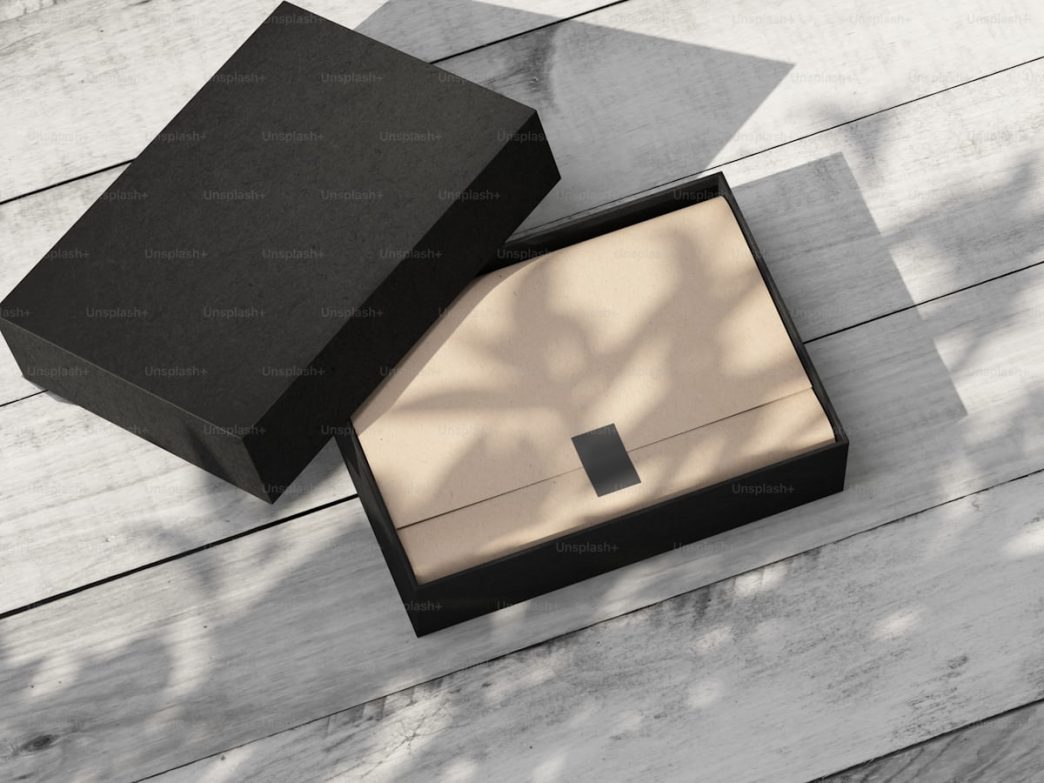
Luxury candle packaging is far more than just a container for a scented product—it is a carefully crafted psychological experience. In the world of premium candles, packaging plays a powerful role in shaping how customers perceive quality, value, and even the scent itself before the candle is ever lit.
When a customer picks up a luxury candle, their brain is already forming judgments based on texture, color, weight, and finish. This is where design psychology and material choice come together to influence buying decisions in subtle but powerful ways.
First Impressions Matter: The “Touch Before Scent” Experience
Before a candle is smelled, it is touched and seen. Studies in consumer psychology show that tactile experiences strongly influence perceived product quality. If packaging feels sturdy, smooth, or uniquely textured, customers automatically associate it with a premium product inside.
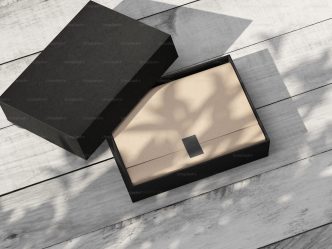
For luxury candle packaging, this often means using high-quality materials like rigid boxes, soft-touch coatings, embossed logos, and carefully selected paper types. Every detail communicates a message: this product is worth the price.
Even small design decisions—like matte vs glossy finish—can shift perception. A matte surface tends to feel more sophisticated and calm, while glossy packaging feels bold and attention-grabbing.
The Emotional Role of Packaging in Luxury Candles
Luxury candles are emotional products. People buy them not just for fragrance, but for mood, relaxation, self-care, and home aesthetics. Packaging must therefore align with emotional expectations.
Designers often rely on three key psychological triggers:
1. Anticipation
Unboxing a luxury candle is part of the experience. Layered packaging, magnetic closures, or tissue wrapping increases anticipation and makes the moment feel ceremonial.
2. Exclusivity
Limited-edition designs or minimalist branding suggest rarity. When packaging looks “too simple to be mass-produced,” it can actually increase perceived luxury.
3. Sensory Harmony
Color psychology plays a huge role. Soft beige, ivory, black, and muted earth tones often signal calmness and luxury. These colors prepare the mind for a relaxing scent experience even before opening the jar.
Material Choice: The Silent Communicator of Quality
One of the most overlooked aspects of luxury candle packaging is paper selection. The type of paper used in boxes, labels, or sleeves directly affects perceived value.
This is where understanding the definition of uncoated paper becomes important. Uncoated paper refers to paper that has not been sealed with a glossy or matte coating layer. It feels natural, slightly textured, and often more organic compared to coated alternatives.
In luxury branding, uncoated paper is frequently used when brands want to communicate authenticity, eco-friendliness, or artisanal craftsmanship. It subtly signals that the product is honest and grounded rather than overly commercial.
On the other hand, coated paper has a smoother and more polished finish, often used when brands want a sleek, modern, and high-end aesthetic. The choice between these two materials is not just technical—it is psychological.
Understanding coated vs uncoated paper helps explain why some luxury candle brands feel warm and handmade, while others feel modern and refined. Coated paper enhances color vibrancy and sharp printing, while uncoated paper enhances texture and natural appeal. Each creates a different emotional response in the customer.
How Texture Influences Perceived Fragrance
Interestingly, packaging can even influence how people expect a candle to smell. This is known as sensory association. When packaging feels natural and earthy, customers often expect scents like lavender, sandalwood, or vanilla. When packaging feels sleek and glossy, they may expect stronger, more modern scents like citrus, oud, or musk.
This psychological connection between texture and scent helps explain why luxury candle brands are extremely intentional with their packaging materials.
A rough kraft-style box can suggest handcrafted, organic fragrance lines. A smooth, embossed rigid box can suggest sophisticated, high-end designer candles.
Minimalism as a Luxury Signal
In luxury candle packaging, less is often more. Minimalist design is not just an aesthetic trend—it is a psychological strategy.
When packaging is clean, with limited text and refined typography, the brain interprets it as more expensive. This is because high-end brands often avoid clutter to emphasize confidence and quality.
Empty space (also called “negative space”) is particularly powerful. It allows the customer’s imagination to fill in the gaps, which increases perceived value.
The Role of Unboxing in Customer Loyalty
Unboxing is one of the most powerful marketing tools in luxury candle branding. A well-designed unboxing experience can turn a one-time buyer into a loyal customer.
Elements that enhance unboxing psychology include:
- Layered packaging (box within a box)
- Subtle fragrance on packaging materials
- Personalized thank-you cards
- High-quality tissue or wrapping paper
- Slow reveal mechanisms like magnetic lids
Each step builds emotional engagement and increases satisfaction before the candle is even used.
Sustainability and Modern Luxury Expectations
Today’s luxury consumers are increasingly aware of sustainability. Eco-friendly packaging is no longer just a trend—it is an expectation.
Using recyclable materials, soy-based inks, and biodegradable packaging solutions enhances brand trust. Interestingly, sustainability also improves psychological perception. Customers often associate eco-conscious packaging with honesty and premium craftsmanship.
Uncoated paper, for example, is often chosen for sustainable packaging because it avoids chemical coatings and feels more natural.
Final Thoughts
The psychology behind luxury candle packaging is a blend of sensory design, emotional storytelling, and material science. Every choice—from paper type to color palette—communicates something to the customer before they even experience the fragrance.
Brands that understand these psychological triggers can create packaging that not only attracts attention but also builds emotional connection and long-term loyalty.
In the end, luxury is not just what a candle smells like—it is how the entire experience makes the customer feel, starting from the very first glance at the box.