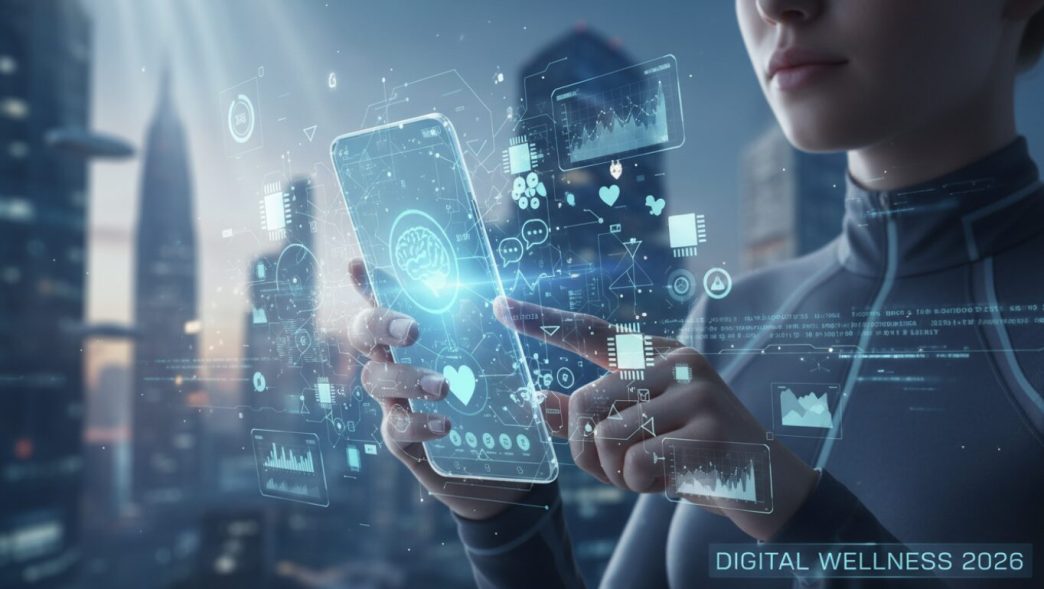
The way people access mental health support is undergoing a quiet but profound transformation. For decades, care was largely confined to physical spaces like clinics, hospitals, and private practices, often limited by geography, cost, and stigma. In 2026, that model is being reshaped by a digital ecosystem that prioritizes immediacy, personalization, and scale.
What makes this shift remarkable is not just the technology itself, but how seamlessly it is blending into everyday life. Mental health support is no longer something people “go to”, it’s something they can access, interact with, and integrate into their routines. From AI-powered tools to always-on platforms, the barriers that once kept people from seeking help are steadily being dismantled.
From Scarcity to On-Demand Care
One of the biggest challenges in traditional mental health care has always been access. Long wait times, high consultation fees, and a shortage of professionals have made it difficult for many individuals to receive timely support. In some regions, finding a qualified therapist could take weeks, if not months.
Technology is addressing this gap by turning mental health support into an on-demand service. Teletherapy platforms now allow users to connect with licensed professionals within hours. Scheduling is flexible, sessions can happen from the comfort of home, and geographical limitations are no longer a barrier.
The scale of this shift is significant. As of 2024, the telehealth sector is growing at an annual rate of 11.83%, with over 116 million users globally engaging in online consultations. More importantly, this shift is changing user behavior drastically in 2026.
People are more likely to seek help when it feels convenient and immediate. The friction that once delayed care is being replaced by accessibility, and that alone is reshaping outcomes.
The Rise of Intelligent Support Systems
Artificial intelligence is playing a growing role in how mental health support is delivered. Unlike traditional systems that rely solely on human interaction, modern platforms use AI to enhance responsiveness and personalization.
How AI Is Changing the First Point of Contact
AI-driven tools can analyze patterns in user behavior to detect early signs of stress or emotional distress, enabling proactive intervention rather than reactive treatment. These patterns include:
- Sleep habits and disruptions
- Changes in communication tone
- Shifts in daily activity levels
- Mood fluctuations logged over time
In many cases, AI-powered chat interfaces act as the first point of contact. They provide users with a safe space to express thoughts, offer coping strategies, and guide them toward appropriate resources. While they are not a replacement for human therapists, they serve as a crucial bridge. Especially for individuals who may feel hesitant to seek professional help immediately.
A Market Growing at Speed
The commercial momentum behind this shift is striking. The AI in the mental health market is projected to grow from $1.49 billion in 2024 to $2.01 billion in 2025, at a compound annual growth rate of 35.2%. The growth is being driven by rising demand for personalized, round-the-clock mental health solutions, exactly what AI systems are designed to deliver.
Continuity as the Core Value
The real value lies in continuity. AI systems can track progress over time, adapting recommendations based on individual needs. This creates a more dynamic and responsive support system than traditional one-size-fits-all approaches.
“Technology has made it possible for people to seek mental health support without ever having to step into a waiting room. And that removal of friction is genuinely changing who gets help and how quickly they get it. In the same way legal technology has helped make access to justice more equitable, digital mental health tools are democratizing care for people who might otherwise have gone without,” says Jason Wesoky, Trial Lawyer at Ogborn Mihm, LLP.
Mental Health in Your Pocket
The smartphone has become one of the most powerful tools in modern mental health care. What was once limited to scheduled sessions is now available through apps that provide continuous support throughout the day.
These platforms go beyond simple meditation guides. Today’s mental health apps offer a rich, integrated toolkit:
- Mood tracking that identifies emotional patterns across days and weeks.
- Journaling features that encourage reflection and self-awareness.
- Cognitive behavioral therapy (CBT) exercises grounded in clinical research.
- Real-time stress management techniques accessible during difficult moments.
- Gamified progress systems that turn consistency into measurable milestones.
What makes these tools effective is their integration into daily life. Instead of treating mental health as a separate activity, they embed it into routines. A quick check-in during a break, a guided exercise before sleep, or a moment of reflection during a stressful day, these small interactions add up to meaningful change.
The shift from passive consumption to active, daily participation is fundamentally redefining how people approach their mental well-being.
Data as a Tool for Personalization
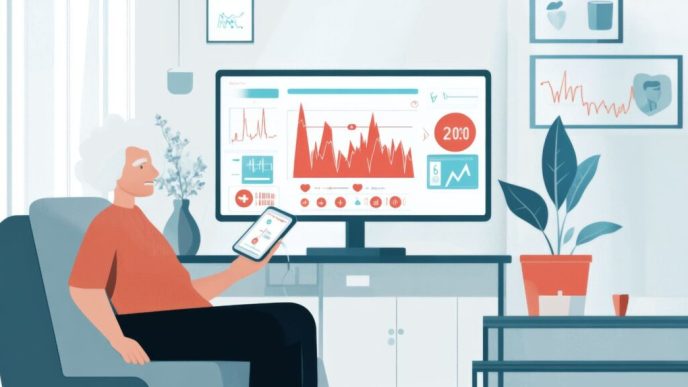
Another defining feature of digital mental health solutions is their ability to leverage data. Wearable devices, mobile apps, and connected platforms generate a constant stream of information about physical and emotional states.
When combined with self-reported data, they create a comprehensive picture of an individual’s mental health:
- Sleep quality and duration
- Heart rate variability during stressful periods
- Physical activity levels throughout the day
- Self-reported mood and symptom tracking
This data-driven approach allows for highly personalized interventions. Instead of generic advice, users receive recommendations tailored to their specific patterns. For example, a drop in sleep quality combined with increased stress signals might trigger suggestions for relaxation techniques or prompt a check-in with a professional.
The Scale of Data-Driven Care
The mental health apps market is forecast to grow by USD 6.87 billion at a CAGR of 14.3% between 2024 and 2029, with personalization algorithms identified as a key driver of that growth. As platforms become more sophisticated, ensuring that sensitive information is handled responsibly will remain a critical priority.
Breaking Barriers Through Anonymity and Accessibility
Stigma has long been one of the biggest obstacles in mental health care. Technology is helping to break it down in ways that traditional settings simply cannot.
- Anonymity as an entry point: Online platforms allow users to explore support options without immediately disclosing their identity, creating a safer, lower-stakes first step for those who are hesitant or unsure about seeking help.
- Peer-to-peer connection: Digital communities through forums, group sessions, and content platforms enable individuals to share experiences. It also helps learn from others facing similar challenges, reducing isolation and normalizing mental health conversations.
- Reaching underserved populations: In areas where mental health professionals are scarce, digital platforms provide an alternative that was previously unavailable. Telemental health services are accessed by 55% of people in rural areas compared to 35% in urban areas. It reflects how digital care is reaching those who need it most.
- Removing practical barriers: No transportation, no time off work, no childcare arrangements needed. The logistical hurdles that quietly prevented many from accessing care are steadily being eliminated.
This democratization of care is one of the most significant impacts of technology in this space.
Integrated Platforms: A New Standard of Care
As the ecosystem evolves, there is a growing shift toward integrated mental health platforms, solutions that combine multiple services into a unified experience. Instead of using separate tools for therapy, tracking, and self-help, users can access everything in one place.
These platforms streamline the entire journey. From initial assessment to ongoing support, they provide a structured yet flexible approach to mental health care. Users can move seamlessly between self-guided tools and professional consultations, depending on their needs.
This integration is not just about convenience, it is about continuity. When all elements of care are connected, the overall experience becomes more cohesive and effective.
Challenges That Still Need Attention
Despite the progress, technology-driven mental health care is not without its challenges:
- Data privacy. Users are required to share highly sensitive personal information. Ensuring secure systems and transparent data policies is essential for building and maintaining trust.
- Over-reliance on technology. Digital tools are valuable, but they cannot fully replace human empathy and connection. Striking the right balance between automation and personal interaction remains a critical challenge for platform developers and clinicians alike.
- The digital divide. Not everyone has equal access to smartphones, stable internet connections, or the digital literacy needed to use these tools effectively. Without deliberate efforts to close these gaps, the benefits of mental health technology risk remaining out of reach for the most vulnerable populations.
Looking Ahead: Beyond 2026
The future of mental health technology is likely to become even more immersive and intuitive. Virtual reality is already being explored as a tool for therapy, offering controlled environments for exposure treatment and relaxation.
Advancements in AI may lead to more sophisticated emotional intelligence systems. AI in healthcare is capable of understanding not just what users say, but how they feel. At the same time, global expansion will bring these solutions to new markets, further increasing accessibility.
However, the core goal will remain the same: making mental health support more available, more effective, and more aligned with the realities of modern life.
A Shift That’s Here to Stay
Technology is not just changing how mental health support is delivered, it’s changing how it is perceived. What was once seen as a last resort is becoming a proactive part of daily life.
By reducing barriers, enhancing personalization, and creating new pathways to care, digital solutions are empowering individuals to take control of their mental well-being. The transformation is still ongoing, but one thing is clear: access to mental health support is no longer limited by time, place, or stigma.
And in that shift lies the potential for a healthier, more connected future.