


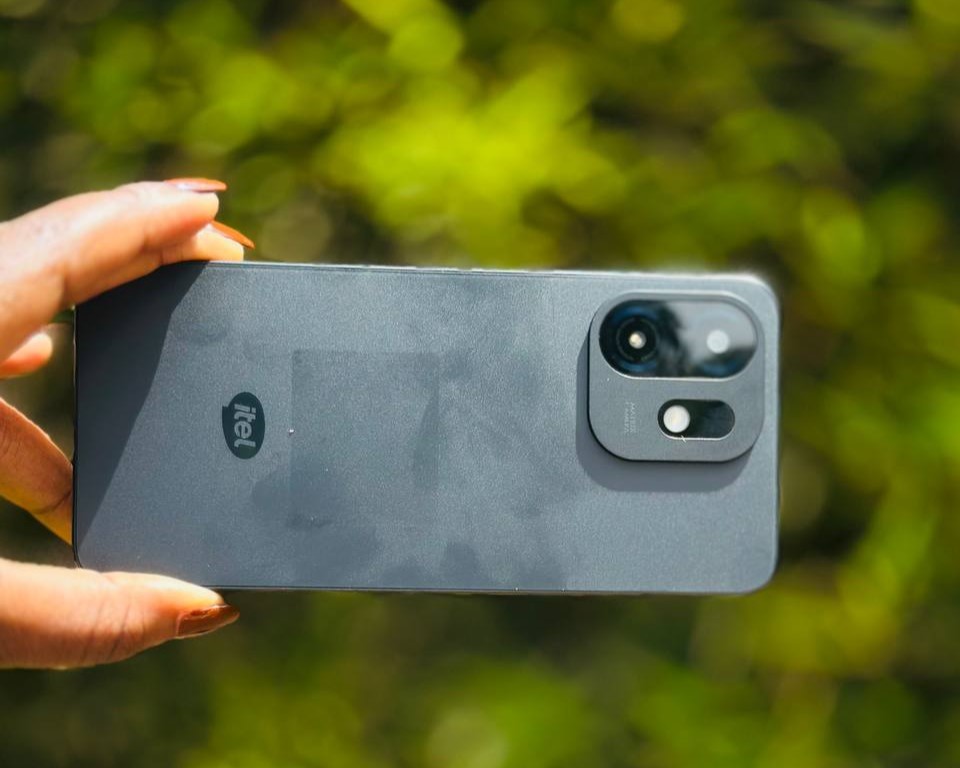
In a smartphone market where many users seek solid functionality at ultra-affordable prices, the itel A100C arrives as an appealing proposition. If your budget is modest, or you’re buying your first smartphone (or for a younger user), the itel A100C promises some surprisingly strong features, especially when viewed in the context of entry-level pricing. But as with all budget devices, there are trade-offs.
We got hands-on with the itel A100C, and here is our walk-through of what the handset can deliver, where it excels, where it falters, and whether it’s a good buy for someone.
A 6.6-inch IPS LCD with a 90Hz refresh rate, a UNISOC T7100 chipset, Android 15 (Go edition), and a 5,000mAh battery, together with the addition of the UltraLinvk feature (Bluetooth messaging/calls without cellular), form the core highlights of the A100C’s appeal. In short, the itel A100C brings a few standout features for the money (especially the 90 Hz display and big battery) while accepting modest performance and camera hardware.
The phone in the Ugandan market goes for UGX245,000 (for the 2GB + 64GB model). It also comes in a 3GB + 128GB model, so please note that differences in RAM and storage affect the price. Check the exact model before making a purchase. In a bid to make the device more accessible, itel has partnered with TakeNow to make the handset available to the people. How? They’ve a flexible payment plan, and under this arrangement, customers can get the phone with an initial deposit of UGX68,000 and clear the remaining balance in installments over a period of 180 days.
Upon purchase, inside the box, you get the phone itself, itel A100C (in a color of your choice), a Type-C charging cable, a 15-Watt charging brick, and a standard 3.5mm pair of earphones.
Build, Design, and Display
The A100C succeeds the A100 (released a month earlier), but the gap between them is small, with only a handful of adjustments distinguishing the two. A100C adopts a slightly thicker build that gives it a more solid hand-feel. The front is framed by noticeably slimmer bezels, allowing the 6.6-inch display to appear more expansive without increasing the device’s footprint.
In terms of materials, the A100C sticks to a fully plastic construction, featuring a plastic frame and a matching plastic back, keeping the device lightweight. Overall, the design adjustments are subtle—refinements rather than a redesign, but they contribute to a device that feels familiar yet slightly more polished.
As for the design, it is typically the same across most devices. A microphone, a USB Type-C port, and a single speaker grill appear at the bottom. On the right side, you have the volume and power buttons, while on the left, a SIM-MicroSD tray. At the back is the 8MP camera setup coupled with an LED flashlight, while at the front, you get a 5MP selfie camera housed in a tear-drop notch.
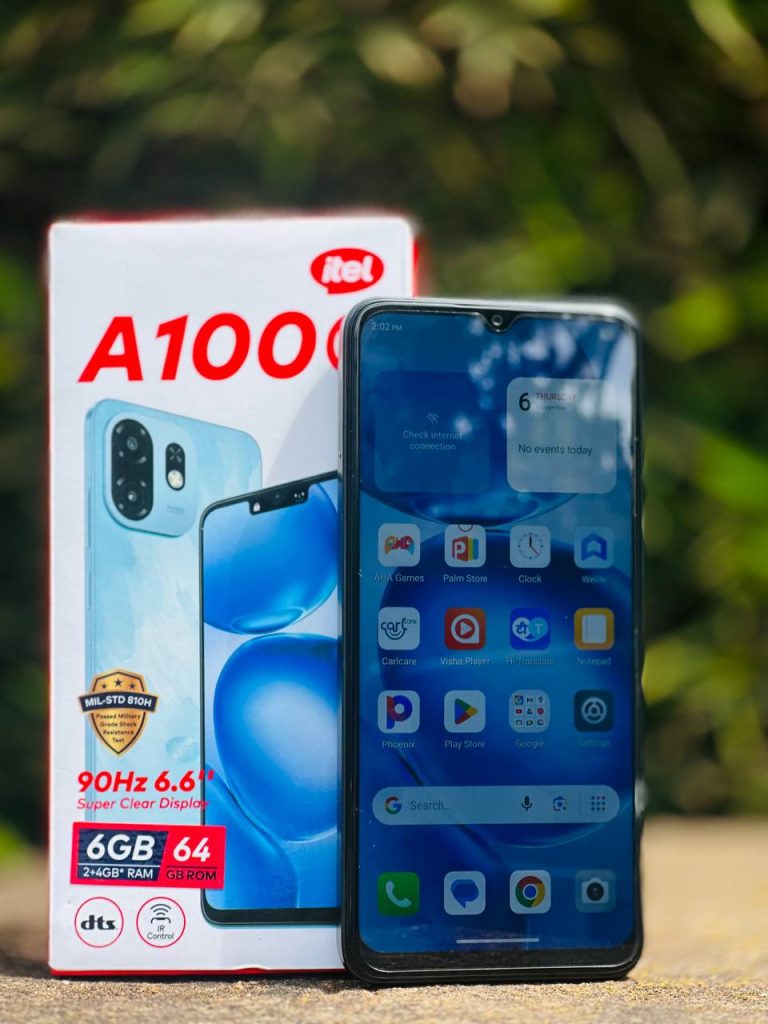
For a phone in its price range, and being an entry-level device, it comes with a curved-edge display that gives it a more modern, immersive look. It uses an IPS LCD panel with a 90Hz refresh rate, offering smoother scrolling and more fluid animations compared to standard 60Hz screens. The 20:9 aspect ratio provides a tall viewing experience ideal for entertainment, social media, and browsing, while the 720p resolution delivers acceptable clarity.
Although it’s not the sharpest display in its class, the combination of curved edges and a fast refresh rate helps elevate the visual experience, making it feel more refined than its budget positioning suggests.

Software, Performance, and Battery
Because the itel A100C is an entry-level smartphone, it doesn’t come with the standard Android version. Instead, it features the streamlined and lightweight Android Go Edition, designed to deliver a smooth user experience and prioritise saving data, battery life, optimizing storage, and improving speed and overall performance. On top of the software, the chipset is capable of handling everyday tasks such as messaging, social media, and entertainment, among other less-consuming activities, but it falls short in delivering a mid & top-tier gaming or heavy multitasking experience.
Overall, the itel A100C offers reliable, everyday performance that matches its entry-level positioning. It’s not built for heavy apps, but it handles essential tasks smoothly, thanks to the optimized Android Go system. For users who want a simple, dependable smartphone without unnecessary extras, it delivers exactly what’s needed.
With its 5,000mAh battery, the itel A100C delivers impressive endurance, easily lasting a full day of regular use and often pushing into the next. Its charging speeds, however, are fairly basic, so users should expect longer recharge times compared to fast-charging devices. Even so, the strong battery life means you won’t need to plug in often, making the slower charging a manageable trade-off for such reliable all-day power.
Cameras
The itel A100C’s 8MP rear camera delivers decent results for an entry-level smartphone. In good lighting, you can expect clear shots with acceptable detail and color accuracy suitable for everyday photos and social media. It’s not designed for advanced photography or low-light performance, but for simple point-and-shoot moments, it gets the job done without much hassle.
On the front, the 5MP selfie camera offers a straightforward experience for video calls and casual selfies. It produces usable images in well-lit environments and includes basic beautification features to enhance your shots. While it won’t compete with higher-end devices, it provides just enough quality for users who want reliable, no-fuss selfies and communication.
When it comes to video, both cameras record at 1080p@30fps, which is a good offering for an entry-level device. However, there is no built-in stabilization, so getting steady footage will depend entirely on how firmly you can hold the phone. For smoother, more stable shots, users may need to rely on accessories like tripods or gimbals. Even so, in good lighting, the footage is clear enough for casual videos and social media clips.
Value proposition and competitive context
In the ultra-budget segment, there are always trade-offs. What the itel A100C does well is deliver a smoother experience and solid battery life at a price point where many phones might still be stuck on 60 Hz or smaller batteries. In that way, it’s punching above what one might expect from ultra-cheap phones.
That said, the key question is: “What compromises am I willing to make?” For many buyers, those compromises (camera, resolution, heavy gaming) may be acceptable given the cost savings.
Verdict
The itel A100C is an easy recommendation for anyone on a tight budget who needs a reliable phone for everyday tasks and values strong battery life and smooth performance. However, if you prioritize camera quality, heavy gaming, long-term future-proofing, or a higher-resolution, brighter display, you may want to explore alternatives.
For its price bracket, the itel A100C performs better than expected—yet it wisely doesn’t pretend to be anything it’s not. It’s a well-positioned entry-level smartphone; it won’t compete with top-tier phones or gaming powerhouses, but that’s by design. It stays focused on its mission: affordability with genuine, meaningful value, clearly understanding its audience, and delivers exactly where it matters.
See also: From humble beginnings to CITY limits: The remarkable evolution of itel smartphones


