





Airtel Africa has revealed that Nokia will construct a transformative, high-capacity terrestrial fibre network for Airtel Africa Telesonic. The announcement was made during the ongoing Africa Tech Festival in Cape Town, South Africa.
“Our collaboration with Nokia is a significant milestone in advancing Africa’s digital infrastructure. By leveraging Nokia’s cutting-edge fiber-optic solutions, we aim to meet the escalating demand for data across Africa,” said Prasanta Das Sarma, Airtel Africa Telesonic’s Chief Executive Officer. “This network will drive economic growth, empower communities, and create new opportunities for businesses and individuals alike.”
Samer Lutfi, Nokia Middle East & Africa’s Head of Growth Group for Network Infrastructure, said they were proud to partner with Airtel Africa Telesonic in this ambitious project to enhance digital connectivity across Africa, noting that the project is a reflection of their shared commitment to connecting communities and driving progress.
The strategic project aims to connect multiple African countries and link submarine cables to terrestrial networks, significantly enhancing digital connectivity across the continent. For Uganda, this terrestrial link is the sole, high-speed artery connecting the nation’s digital economy to the global internet backbone. Additionally, it will contribute towards boosting economic growth and improving the quality of life for communities by providing affordable and reliable digital infrastructure across East and Central Africa.
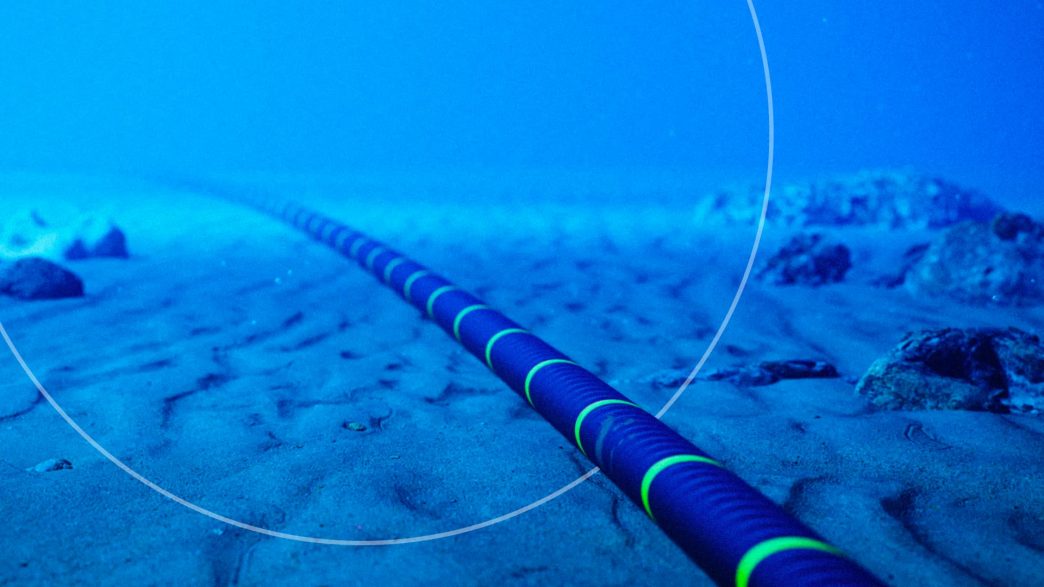
The project will directly connect the 2Africa subsea cable to Africa’s terrestrial networks, making it the digital lifeline required for Uganda to access the high-capacity, international bandwidth, providing affordable and reliable connectivity. By leveraging Telesonic’s fiber assets and subsea cable systems, the initiative is expected to meet the growing demand for wholesale data in Africa, fostering economic growth and development.
With Nokia’s 1830 Photonic Service Switch platform, this new technology will enable the network to support up to 38 Terabits per second to facilitate fast data transfer, and is C+L Band Ready to enhance its capacity. It will play a critical role in high-speed connectivity and delivering cloud-based services. Powered by Nokia’s high-speed coherent Photonic Service Engine technology, the Dense Wavelength Division Multiplexing (DWDM) network, consisting of 139 nodes, is deployed spanning multiple countries.
“Deploying Nokia’s 1830 Photonic Service Switch platform is a pivotal upgrade to our network infrastructure across Africa. This will enable us to provide greater capacity and high-speed connectivity to efficiently handle webscale traffic,” said Razvan Ungureanu, Airtel Africa’s Chief Technology Officer. “With Nokia’s Photonic Service Engine powering our DWDM network across multiple countries, we are setting the stage for transformative growth and new opportunities throughout Africa.”
David Birungi, Public Relations Manager at Airtel Uganda, commenting on this partnership, said, “For Uganda, as a landlocked nation, the importance of this terrestrial fiber network cannot be overstated. This is our direct, high-capacity link to the global economy via the 2Africa subsea cable. It guarantees the resilience and speed our market demands, removing the geographical barrier to world-class connectivity.”
Birungi also noted that the partnership with Nokia is a vital step toward realising Uganda’s digital vision, enabling businesses, schools, healthcare, and communities across the nation to thrive on a fast, reliable, and affordable digital highway.
See also: Africa Tech Festival 2025: Government and tech leaders align on responsible use of AI


