Sheet metal is used in many industries today. It is used in cars, machines, buildings, and home appliances. But sheet metal comes in different thickness levels. To understand thickness, we use a system called gauge.
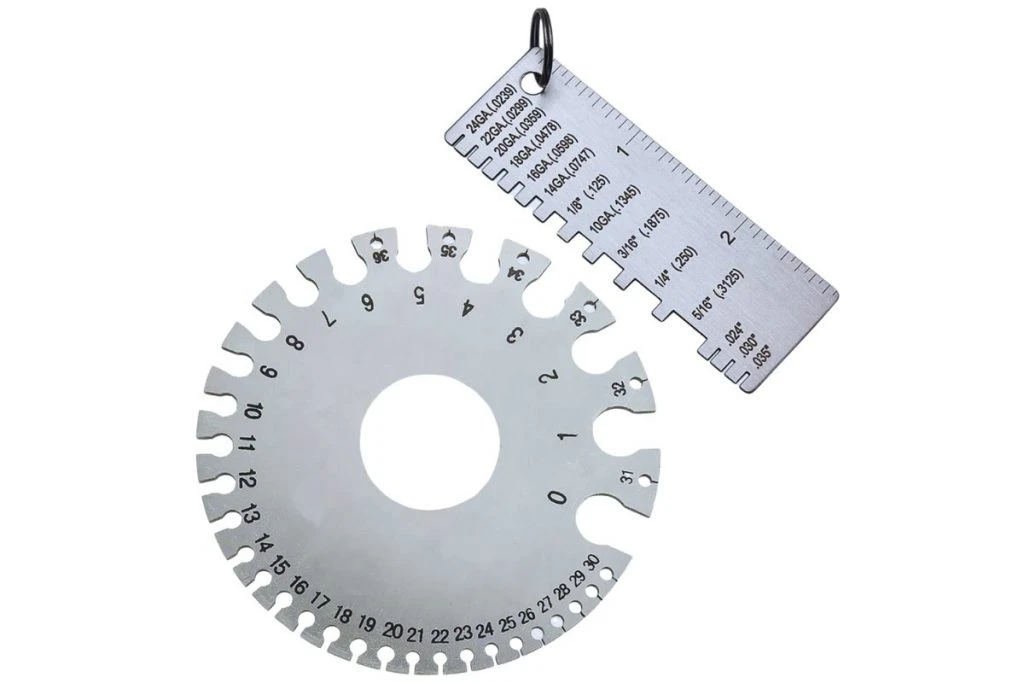
A sheet metal gauge chart helps people know the exact thickness of metal sheets in a simple way.
In this guide, we will explain everything in very easy words.
If you need professional support for metal parts, you can check Custom Sheet Metal Fabrication Services – RFS for reliable manufacturing solutions.
What Is Sheet Metal Gauge?
There are various plate gauges that indicate the thickness of steel.
The important problem is:
Small gauge = thick metal Large gauge = thin metal
For example:
10 gauge is thicker
A 20-gauge is thinner
With this machine, engineers and those who can easily make the right metal choices can.
Sheet Metal Gauge Chart
In simple words, the Sheet Metal Gauge Chart is used to convert gauge numbers into real thickness values.
Here is a simple chart:
- 7 gauge = 4.55 mm
- 10 gauge = 3.42 mm
- 12 gauge = 2.66 mm
- 14 gauge = 1.90 mm
- 16 gauge = 1.52 mm
- 18 gauge = 1.21 mm
- 20 gauge = 0.91 mm
- 22 gauge = 0.76 mm
- 24 gauge = 0.61 mm
- 26 gauge = 0.48 mm
And also, this chart helps people choose the correct metal for work.
Why Sheet Metal Gauge Is Important
Sheet metal gauge is very important in manufacturing.
It helps in:
- Choosing the correct thickness
- Making strong products
- Saving material cost
- Improving product safety
- Ensuring proper fitting
Without a gauge system, it would be hard to measure metal quickly.
How the Gauge System Works
The measurement system also seems to be available; however, it is a process that is totally based on past commercial desires.
Different metals rarely have specific shape values; however, steel is the most commonly used reference.
Such as workers now use measuring charts when it comes to measuring thickness over and over again. And also, this saves time and reduces errors.
Common Metals Used in Sheet Metal
Sheet metal is made from different materials:
- Steel
- Stainless steel
- Aluminum
- Copper
- Brass
Each metal is used for different purposes.
Steel is strong and widely used. Aluminum is light and rust-free. Copper is used in electrical work.
Where Sheet Metal Is Used
Plates are made of different materials:
Steel
Stainless Steel
Aluminum
Copar
Brass
Each metal is used for a specific purpose.
Steel is strong and widely used. Aluminum is soft and stainless. Copper is use in electrographs.
Advantages of Using Sheet Metal
Sheet metal has many benefits:
Strong and Durable
It can handle pressure and heavy use.
Lightweight Options
Some metals, like aluminum, are very light.
Easy to Shape
It can be cut and bent into different shapes.
Cost Effective
It saves material and reduces waste.
Widely Available
It is easy to find in the market.
Factors That Affect Sheet Metal Choice
When choosing sheet metal, workers consider many things:
- Thickness (gauge)
- Material type
- Strength needed
- Cost
- Environment (heat, rust, water)
For example, outdoor products need rust-resistant metal.
Standard Sheet Metal Gauge Systems
Different countries may use different standards, but most industries follow common rules.
A steel gauge is most common in manufacturing.
Aluminum and other metals may have different thickness values for the same gauge number.
That is why charts are very important.
Importance of Custom Fabrication
Many industries do not use ready-made parts. They use custom-made metal parts.
For this, they rely on companies offering Custom Sheet Metal Fabrication Services – RFS to create accurate and strong metal parts based on design needs.
Custom fabrication helps in:
- Better fit
- Better design
- High accuracy
- Strong performance
Problems Without Gauge Chart
Without a sheet metal gauge chart, many problems can happen:
- Wrong thickness selection
- Weak product design
- Material waste
- Cost increase
- Poor-fitting parts
That is why engineers always use gauge charts.
How to Read a Gauge Chart
Reading the scale chart is pretty disingenuous.
All you need to know is the gauge number and check the thickness charge in mm or inches.
Example: If you want strong content, you can choose a discount level like 10 or 12.
If you want a soft fabric, choose a very good fabric like 20 or 22.
Future of Sheet Metal Industry
The sheet metal industry is growing fast.
Modern machines are now:
- More automatic
- More accurate
- Faster in cutting
- Controlled by computers
This helps improve quality and reduce waste.
Conclusion
Sheet metal gauge is a very important system in manufacturing. It helps people understand metal thickness in an easy way.
The Sheet Metal Gauge Chart is used in almost every industry to choose the right metal size.
With modern production and services like Custom Sheet Metal Fabrication Services – RFS, companies can create strong, accurate, and high-quality metal parts for many applications.