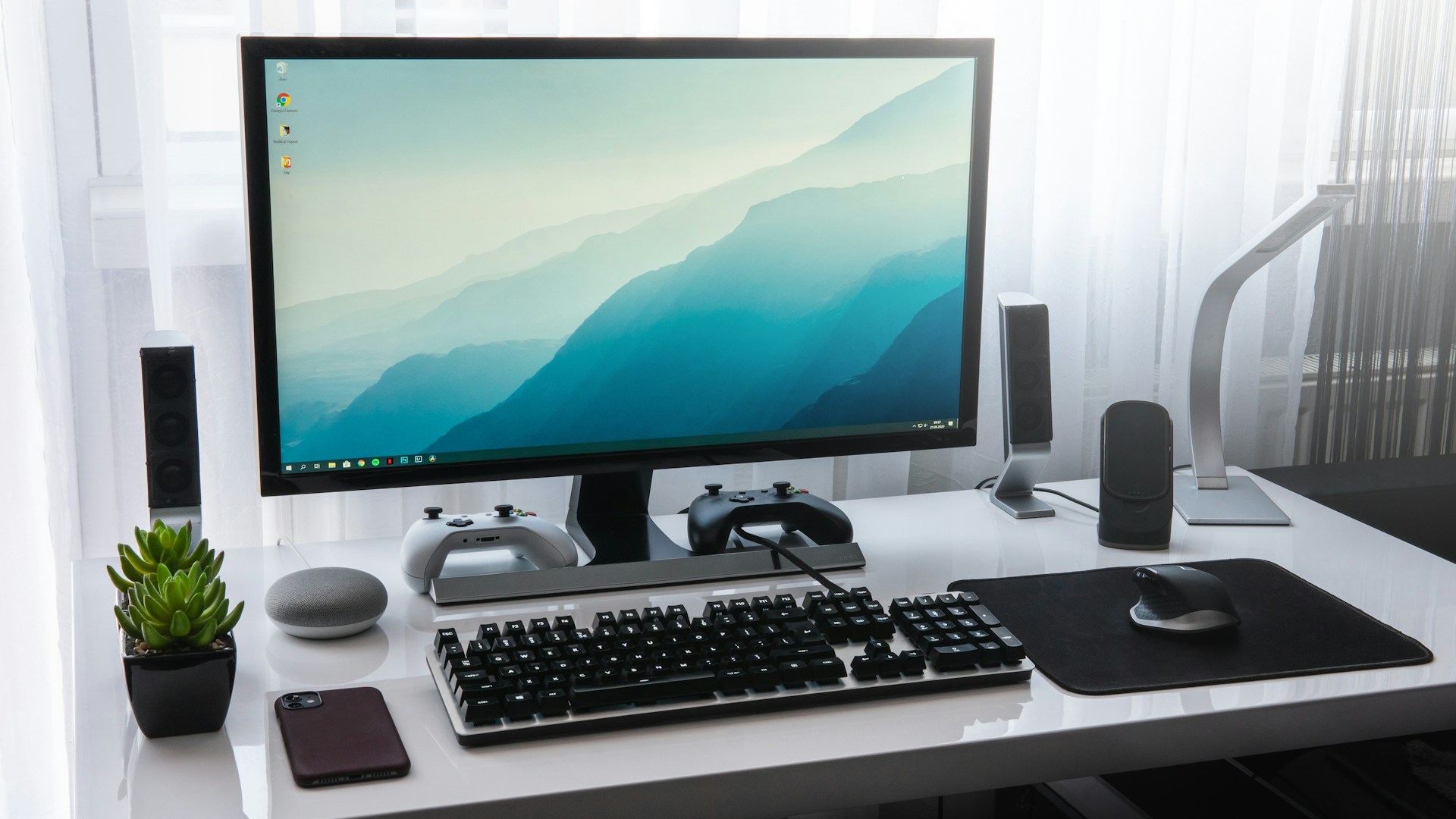
PC gaming has a reputation for expensive graphics cards and machines packed with high-end parts. Things have gotten even more expensive due to the chip shortage. That pricey side of the hobby certainly exists. But it isn’t essential. Plenty of excellent games run perfectly well on modest laptops and basic home computers.
Some of the most enjoyable PC games are not demanding at all. Simple graphics and strong ideas often matter far more than raw processing power. Many simple games and independent releases can all provide hours of entertainment without needing a machine that sounds like it is preparing for takeoff.
Casino And Table Games Are Naturally Hardware-Friendly
Casino and table games are among the easiest options for lower-powered PCs.
Most modern online casino games run directly inside a browser. There is usually no need for a large download or demanding graphics setup. Classic table games and slot games are designed to work smoothly across a wide range of devices.
That makes them a good fit for basic hardware.
Digital blackjack needs very little processing power because the focus is on cards. The game has really simple animations and straightforward controls. People can choose to play online blackjack in numerous ways. Simple interfaces are only one way to engage as there are now live options.
Live dealer games are more demanding than standard digital versions because they stream video. It isn’t like you need to have the latest gaming PC. The main requirement is usually a stable internet connection rather than a powerful setup.
Traditional table games also translate well to software.
Chess and card games can run on very modest systems. The rules are doing the heavy lifting rather than the graphics card.
Browser Games Still Have Plenty To Offer
Browser gaming has changed dramatically over the years.
The old image of tiny Flash games has mostly disappeared. Modern browsers can now run surprisingly detailed games using HTML5 and other technologies. Many of the best browser titles remain incredibly lightweight (this means they don’t demand much of the system).
A Dark Room is a good example.
It begins as a simple text-based experience and gradually grows into something much larger. It has elements of resource management and survival. Its presentation is extremely minimal. This means it works comfortably on basic machines.
Townscaper is another interesting option.
It is more of a creative toy than a traditional game. The game lets players build colorful little towns by clicking around a grid. The simple visual style keeps hardware demands low.
Browser chess is another obvious choice.
Modern chess platforms include matchmaking and analysis tools. This can help people to learn the game using an ordinary web browser. A basic laptop can handle the experience with ease.
Retro Games Are Perfect For Modest PCs
Older PC games remain some of the best options for entry-level hardware.
Titles from the 1990s and early 2000s were designed for computers that were dramatically less powerful than even a cheap modern laptop.
That means many classics run extremely well today.
Heroes of Might and Magic III remains one of the strongest examples. The turn-based strategy game has a huge amount of depth. Hardware requirements are tiny by modern standards.
RollerCoaster Tycoon is another classic that still feels surprisingly fresh.
The graphics are simple. The management systems offer a huge amount of freedom. Building parks and experimenting with ride layouts can easily become a long-term hobby.
Older Civilization games also work well on modest hardware. They rely much more on strategy than visual effects. It makes them ideal for basic machines without too much of a dedicated gaming setup.
Retro gaming is one of the few areas where lower-powered hardware is barely a disadvantage at all.
Independent Games Often Keep Things Simple
Indie developers regularly prove that a game does not need photorealistic graphics to be brilliant.
Many independent titles deliberately use pixel art and simple 2D graphics. They may have a minimalist presentation. That often makes them ideal for lower-end PCs.
FTL: Faster Than Light is a great example.
The game is super tricky and combines spaceship management with random events without relying on advanced visuals. It can run comfortably on machines that would struggle with modern blockbuster games.
Into the Breach follows a similar approach.
It is a turn-based strategy game built around small maps and carefully planned moves. The graphics are clear rather than flashy.
Strategy Games Can Be A Great Fit
Strategy is one of the strongest genres for modest hardware.
Turn-based games generally place less strain on a system because they do not need constant high-speed action.
Older versions of Civilization and Command & Conquer can all run on relatively simple setups. They still hold up when compared to a lot of modern games.
Card-based strategy games also tend to be very light on the system.
The important parts are deck-building and understanding mechanics rather than rendering huge 3D worlds.
Older Multiplayer Games Can Still Work Well
Not every multiplayer game needs a modern graphics card.
Older competitive titles and lightweight online games can often run comfortably on basic PCs.
Classic multiplayer titles and even some older shooters still maintain active communities.
The experience may not be as visually spectacular as the latest releases. But that doesn’t bother every player.
Sometimes a simple game with strong mechanics is more enjoyable than something technically impressive but badly designed.
Entry-level hardware does not mean giving up on PC gaming.
There are plenty of choices for ways to play these games. High-end hardware certainly opens the door to bigger and more detailed games, but it is far from essential.