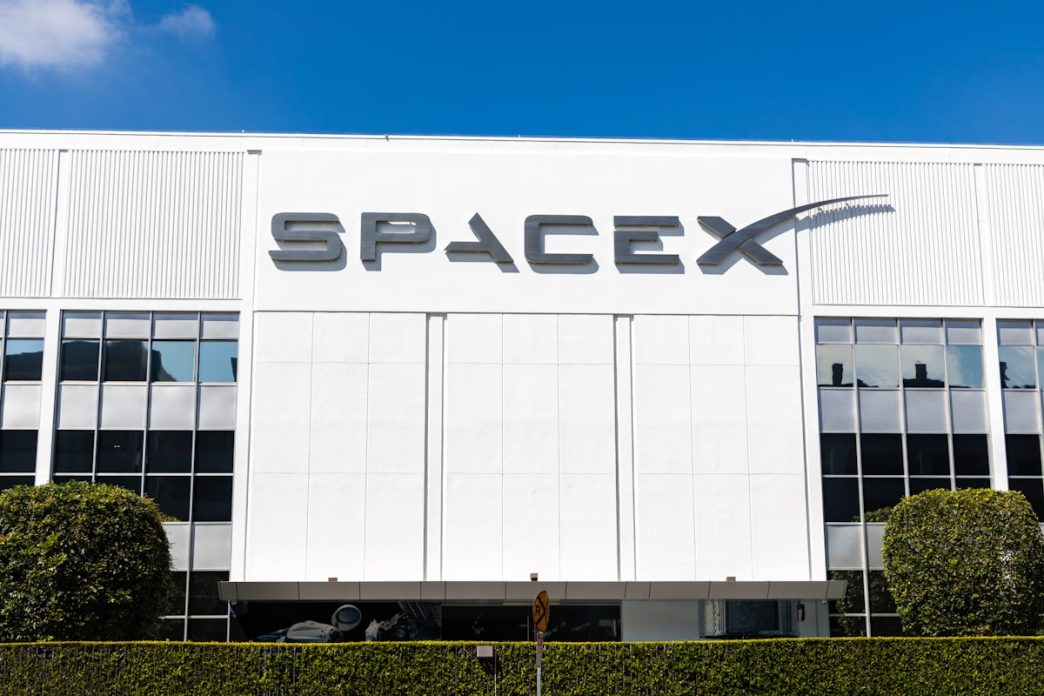
Most startup advice sounds the same after a while. Move fast. Build a strong team. Talk to your customers. None of that is wrong. It is also not very useful when you are studying startup growth strategies Africa needs to build serious technology companies. The companies worth studying are the ones that built something significant from a position that looked impossible. SpaceX is one of them.
A Company That Was Supposed to Fail
In 2002, Elon Musk used about $100 million of his own money to start a rocket company. Every credible aerospace expert said it could not be done. The big players — Boeing, Lockheed Martin, the Russians — had decades of head start, government contracts, and engineering talent.
The Early Years Were Brutal
SpaceX had a small team, no launch heritage, and a goal that bordered on absurd. Make orbital rockets cheap enough to enable Mars colonisation. The first three Falcon 1 launches failed. The fourth, in 2008, succeeded by a margin of weeks before the company would have run out of money.
Where SpaceX Stands Today
Twenty-three years later, SpaceX launches more rockets than any nation on earth. It owns the largest satellite internet network in history. It is widely expected to pursue a public listing in the near future. Investor attention on the spacex ipo reflects how seriously global markets now treat a company once considered a vanity project.
For tech founders building from places like Kampala, Lagos, Nairobi, or Accra, the trajectory matters less than the underlying playbook. SpaceX did not win because it had more resources. It won because of specific structural choices that compounded over time.
Lesson One: Pick a Bottleneck Nobody Else Wants to Touch
Most founders chase visible markets. Better delivery apps. Cleaner fintech interfaces. Slightly improved versions of products that already exist. The economics of competing in those markets are brutal because everyone else is there.
Why the Boring Problems Pay Better
SpaceX took a different bet. It went after the cost of launching a kilogram of payload to orbit. That was an unglamorous, decades-old engineering problem that the incumbents had basically given up on solving. The Russians had cheaper rockets, but they were unreliable. The Americans had reliable rockets, but they were expensive. Nobody attacked the cost structure itself.
How This Applies to Emerging Markets
Tech startups operating in resource-constrained markets need to ask the same question. What is the bottleneck nobody is solving because it is too hard, too technical, or too unfashionable? In African markets, those bottlenecks often live in payments infrastructure, last-mile logistics, agricultural data, and offline-first software design. The founders who go after these unglamorous problems end up with defensible companies. The ones chasing trendy verticals usually get crushed.
Lesson Two: Vertical Integration as a Survival Strategy
Most early-stage startups outsource everything they can. Standard advice. Focus on your core competency. Buy the rest.
Why SpaceX Built Almost Everything In-House
SpaceX did the opposite. It built its own engines. It manufactured its own avionics. It wrote its own flight software. The team did this not because they wanted to, but because the existing suppliers either did not exist or charged prices that made the business model impossible.
The Hidden Advantage of Forced Self-Reliance
This is a lesson startups in many emerging markets already understand intuitively. The infrastructure you depend on is unreliable. The vendors you would prefer to use either do not operate in your market or quote prices designed for Western enterprises. The choice becomes building it yourself or building nothing.
Vertical integration is unfashionable in the global startup world. It is also the right answer for many startup growth strategies Africa is producing right now. The companies winning in payments, logistics, and energy are building their own stacks because they have no choice. That necessity is actually a long-term advantage. PC Tech Magazine has documented how Ugandan innovators mainstreaming emerging tech follow exactly this pattern, solving local infrastructure gaps directly rather than waiting for external solutions.
Lesson Three: Use Constraints to Force Innovation
When SpaceX could not afford to throw away rockets after every launch, the team asked whether the rocket itself could be reused.
Reusability Was Born From Necessity
The Falcon 9 first stage now lands itself on a drone ship in the middle of the Atlantic ocean. That technology did not exist when SpaceX decided to pursue it. It exists now because the company had no other path to the unit economics it needed.
Constraints as Design Inputs, Not Excuses
The lesson is not that constraints are good. The lesson is that constraints force a different kind of thinking. The founders who treat their constraints as permanent disadvantages stay small. The ones who treat constraints as design parameters end up building products that would not exist in resource-rich environments.
For African tech founders, the constraints are not theoretical. Power outages. Inconsistent internet. Currency volatility. Limited venture capital. Regulatory unpredictability. These are not problems to apologise for. They are inputs to a product design process.
Lesson Four: Patient Capital Beats Quick Money
SpaceX was unprofitable for most of its first decade. It almost died multiple times. The reason it survived is that Musk kept putting his own money in and convinced a small group of believers to do the same.
The Funding Model That Made Long Bets Possible
SpaceX did not raise its first major external round until it had proven significant technical milestones. That changed the company’s relationship to its investors. SpaceX was not under pressure to hit quarterly metrics designed for SaaS companies. It was building infrastructure that took years to monetise.
Why African Founders Need Patient Backers
Most tech startups outside Silicon Valley face the opposite problem. The capital available is impatient. Investors want returns within timelines that do not match the building cycles of serious technology companies. Founders who identify patient capital sources — strategic investors, family offices, development funds, diaspora investors — end up with the structural advantage that allows real building.
Lesson Five: Distribution Is Part of the Product
This is the lesson most founders learn last and most painfully. Building something good is not enough. Getting it in front of the right people is half the work.
How SpaceX Won Its First Major Customer
SpaceX understood early that its biggest customer would be NASA. The company invested in the relationship for years before any major contract materialised. It did the technical work. It also did the political and relationship work. By the time the COTS contract came up for bid, SpaceX was already inside the system.
Distribution Cannot Be an Afterthought
Tech startups often treat distribution as something that comes after the product is built. That is backwards. For software businesses competing for global markets, distribution work needs to start before the product is finished. That includes search visibility, content strategy, and the careful work of building credibility with the right gatekeepers.
Some founders handle this in-house. Others work with a specialist saas seo agency that understands the specific dynamics of B2B SaaS distribution, where the buyers are technical, the sales cycles are long, and the keyword landscape rewards expertise over volume. The point is not which approach you pick. The point is treating distribution as a first-class problem alongside the product itself.
What This Means for the Next Five Years
Uganda is finalising its national AI strategy, with a comprehensive tech roadmap launching in June. Similar policy frameworks are emerging across the continent. The infrastructure for serious technology companies is being built in real time.
The Window of Opportunity Is Now
The question is which founders will use this window well. The capital is starting to arrive. The talent is here. The regulatory environment is becoming more sophisticated. What is missing is a generation of founders who know which playbook to follow.
Why the SpaceX Model Fits Better Than Silicon Valley’s
The SpaceX model is not about copying a rocket company. It is about understanding that the conventional startup playbook breaks down once you leave the markets it was designed for. The founders who build the next generation of significant tech companies from emerging markets will not be the ones who imitate the surface patterns of Silicon Valley. They will be the ones who study the structural choices behind companies that succeeded against worse odds, and then apply those choices to their own constraints.
That is a slower path. It is also the only one that has ever actually worked.