The applications of stainless steel are broad and used in most industries. Has very high strength, durability, and corrosion resistance. But preparing stainless steel for welding is not something that can be taken lightly. The strength and appearance can be compromised due to poor welding techniques. They can also decrease corrosion resistance at the weld area. By knowing the proper procedure, one can get better outcomes. This Guide will discuss the more fundamental considerations associated with welding stainless steel.
The difference in stainless steel.
Chromium is an important alloying element of stainless steel. This forms a surface oxide layer on the surface of Chromium. This layer protects the material from corrosion. There are various chemical characteristics for the various grades of stainless steel. Certain grades offer greater degrees of corrosion resistance. There are some with increased strength or enhanced resistance to heat. Typical grades are 304 and 316 stainless steel. These two grades are also frequently used in industry.
Common Stainless Steel Welding Methods
Various welding techniques are available for welding stainless-steel. The best option will vary from one application to another as well as the type of material being used.
TIG welding
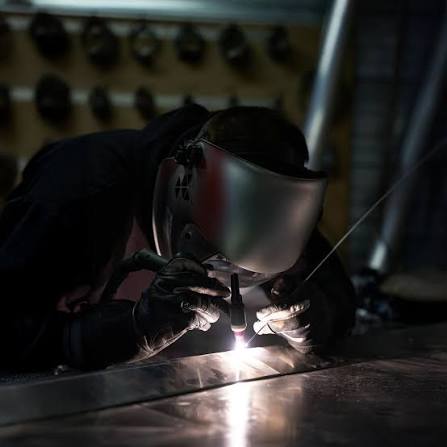
The control and precision gained through TIG welding is excellent. A non-consumable tungsten electrode is used. An inert shielding gas helps to prevent contamination of the weld. TIG welding is a good process for welding thin pieces of stainless steel. It also produces clean and attractive welds produced by it.
MIG welding
Another popular way for welding stainless steel is with MIG welding. It has a continuously fed consumable wire electrode. In welding, the protection of the molten weld pool is provided by the shielding gas. In general, the MIG welding process becomes faster than the TIG welding process. Works well for thicker stainless steel materials. It also works well in a production environment.
Stick Welding
Stick welding may be employed for stainless steel applications too. By coating it with a consumable electrode. It has been demonstrated to work well in the outdoors. But, in general, it creates more spatter. The appearance of the weld may also need to be cleaned up.
Preparing Stainless Steel for Welding
Good preparation is the key to good and clean welds. First, thoroughly clean the stainless steel surface. Clean up oil, grease, dirt, and other contaminants. Use separate stainless steel cleaners and cleansers whenever possible. Do not use tools that have been previously used on carbon steel. Particles of carbon steel can deposit on stainless steel surfaces. The right preparation of joints is also significant. The design of the joint must be commensurate with the thickness of the materials and type of welding process being used.
Choosing the Right Filler Metal
The kind of filler metal used may influence the results of the weld. The filler should be suitable for the metal. Also, it should be in accordance with the needs of the application. For instance, 308L is generally used with 304 stainless steel. Usually 316L is used in conjunction with 316 stainless steel. Other grades and types of filler metal may be necessary in specialized applications. Be sure to consult the manufacturer’s recommendations to choose the right filler.
The importance of controlling heat during welding.
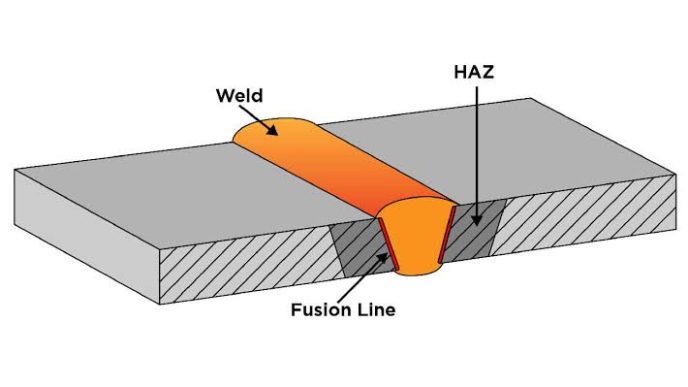
Of the many factors that are important in welding, heat control is one of them. Distortion and discoloration may occur at too high temperatures. It can also influence corrosion resistance in the vicinity of the weld. Large input heat can result in a larger heat-affected area. Choose appropriate welding amperes and speed. Do not over-heat between weld passes. Good heat control is important to ensure the properties and appearance of materials.
Rapid Fabrication Service can cater to various fabrication needs for businesses looking for rapid production that is accurate.
Common welding problems can be avoided.
Several common defects can arise during the welding process of stainless steel. During the process of shielding gas contamination, porosity can occur. An appropriate amount of heat is required, or else it could cause warping for thin material. Unwanted movement can be controlled by using the correct fixturing. Sometimes discoloration can also be observed around the welded point. It frequently happens because of too much heat or inadequate shielding. These can be eliminated by good practice on the part of experienced welders.
Study of the post-weld cleaning and finishing processes.
The cleaning of the weld area makes for a better finished appearance. It can also be used to restore corrosion resistance. Weld discoloration must be treated, scraped, and removed using appropriate techniques. For some applications, grinding may be needed. Pickling can peel the stain; it is the removal process of the oxide film. Surface corrosion resistance can be further enhanced by passivation. The appropriate finishing method is related to the application. Surface cleanliness is a critical requirement in some food and medical industries.
The right time to invest in professional welding services
Often, large jobs call for the expert welding craftsman. They know the various types of stainless steels and welding methods. They may also be able to choose appropriate types of equipment and fillers. There are stainless steel welding services that can assist with rigorous fabrication jobs. This can involve welding, cutting, and finishing. Professional support can help to enhance consistency and minimize material waste.
Conclusion
It is important to plan and control the process to weld stainless steel. The grade, thickness, and design of materials are of significant consequence. The final result is also dependent on the chosen welding method. Good cleanup to avoid contamination during welding. Distribution of heat to control distortion and discoloration. Weak and unstable joints cannot be adequately filled with suitable filler metal. Professional welding work can also enhance the consistency of production. Suitable welding operations can achieve good performance for stainless steel welds.