
Here’s the uncomfortable truth nobody tells you: most people don’t fall short on physical activity because they’re unmotivated or lazy. They fall short because the advice circulating out there is, frankly, disconnected from how real life actually works. Packed calendars, afternoon energy crashes, and the occasional “I just can’t today” are normal human experiences, not moral failures. The WHO confirmed in 2024 that nearly 1.8 billion adults worldwide fell below recommended physical activity levels in 2022 WHO 2024. That’s not a global willpower crisis. That’s a habit design problem, and it’s one worth solving thoughtfully.
The encouraging part? You don’t need to blow up your schedule. Consistent, modest movements stitched into your existing day can produce surprisingly meaningful results.
Practical Habits for Active Living That Work Around Real Schedules
Let’s be honest about what “staying active” actually demands from the average person, because the version sold in fitness magazines rarely resembles reality. True, sustainable activity looks different from what most people imagine.
What “Active” Actually Means for Most People
Forget the hour-long gym sessions for a moment. An active lifestyle is built from the ordinary stuff, walking to the corner store, standing during a phone call, squatting while your coffee brews. Simple habits for active living live in these unspectacular, repeatable moments. Not in perfection. Not in heroic effort.
Stacking Movement Onto What You Already Do
The most effective strategy here is one of the simplest: attach easy active lifestyle habits onto routines you’re already executing daily. Brushing your teeth? Add ten calf raises. Waiting for water to boil? Drop into a wall push-up. These additions cost you almost nothing in time yet quietly accumulate real physical momentum over weeks.
Once you accept that active living is less about dedicated workout windows and more about consistent micro-movements, an obvious question surfaces: what’s actually getting in the way? More often than not, it’s not your schedule at all.
Daily Movement Routines Worth Customizing to Your Life
A structured approach to daily movement routines and how to stay active daily doesn’t need to be complex. Three simple time windows, morning, midday, evening, are genuinely all you need.
A 10-Minute Morning Routine to Start With Energy
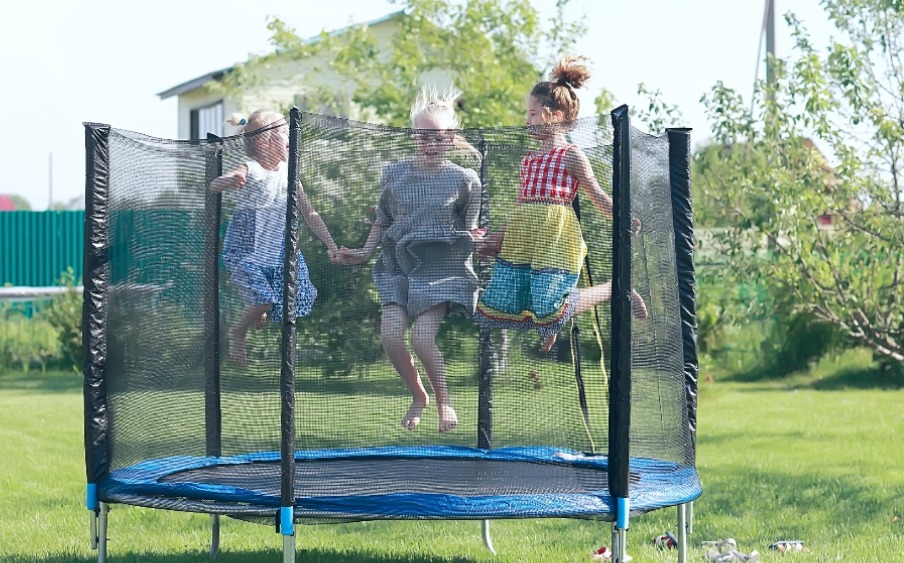
Four movements: marching in place, hip circles, cat-cow stretches, and a wall plank. You can do this on your living room floor, in the kitchen, or on a rebounders trampoline. Adding a few minutes of rebounding exercise to your routine on a compact, joint-friendly mini trampoline provides an effective low-impact workout. Leaps & Rebounds offers bungee-cord-based models that are gentle enough for daily use without taking over your space.
A 5-Minute Midday Reset for Anyone Who Sits at a Desk
Physically active workers lose 14 fewer productive workdays annually compared to sedentary ones. A brief midday reset, seated twists, shoulder rolls, ankle circles, takes five minutes and frequently changes the entire tone of your afternoon. Add a 60-second walk or a short rebounding session for a meaningful energy boost.
An Evening Wind-Down That Still Counts as Movement
Gentle stretching or a post-dinner walk reduces stiffness without disrupting sleep. A “movement before media” rule, stretch first, then reach for your phone, closes your daily activity loop consistently without requiring extra willpower.
Mindset Shifts That Make Daily Movement Less Complicated
Two targeted mental reframes can move you from “I’ll start Monday” to “I’ll start now.” They’re not complicated, but they’re genuinely effective.
Seeing Yourself as Someone Who Moves, Even at the Start
Identity shapes behavior more than motivation does. Take a two-minute walk after dinner. Stretch during a commercial break. Each small action quietly reinforces a belief: *I’m someone who moves.* That shift in self-perception is more sustainable than any fitness challenge you’ve ever signed up for.
Releasing All-or-Nothing Thinking
Once you’ve started claiming that identity, the next wall you’ll hit is perfectionism. Replace “one hour or nothing” with a minimum dose rule: five minutes on a difficult day still counts. It keeps the habit alive. One skipped session is not a failed journey, it’s just Tuesday.
Turning Screen Time Into Movement Time
With a “five minutes counts” mindset operating in the background, pockets of movement appear everywhere. Gentle stretching while watching television. Marching in place during a podcast. A quiet “no motion, no media” personal rule can meaningfully increase how much you actually move each day without any formal planning.
Easy Active Lifestyle Habits Worth Starting This Week
Mental foundation secured. Now it’s time to act on it. These easy active lifestyle habits and simple habits for active living are genuinely accessible, no equipment required for most of them, no schedule overhaul needed.
Habit 1, Activity Snacks Distributed Throughout the Day
Research published in 2025 documented 91.1% compliance and 82.8% adherence rates among people using short exercise bouts distributed across the day PubMed, 2025. A five-minute walking loop after lunch. A quick round of the desk stretches every 90 minutes. Zero equipment. Fits any schedule. These movement snacks add up far faster than people expect.
Habit 2, Walking as Your Default Mode of Getting Anywhere
Walking is, without exaggeration, one of the most undervalued health tools available. Park farther from entrances. Exit the bus one stop early. Treat every phone call as an automatic walking opportunity. These choices require no motivation spike, they just require a small decision made once, then repeated.
Habit 3, Micro-Movements Built Into Home Life
Your home is full of overlooked time gaps. Ten squats after brushing teeth. Calf raises while the kettle heats up. Walking lunges during a laundry trip. Easy active lifestyle habits like these feel almost invisible in the moment, until you’re three weeks in and you notice how much better your body actually feels.
Low-Impact Tools That Make Staying Active Actually Enjoyable
Routines carry you far. The right tools, though, make showing up feel far less like a negotiation with yourself.
Why Low-Impact Movement Deserves More Credit
Movement you can recover from quickly is movement you can sustain daily. Doable, repeatable effort consistently outperforms intense, irregular effort when the actual goal is long-term consistency. Joint-friendly options remove one of the most common excuses for skipping a day.
Other Tools Worth Considering
Resistance bands, walking pads, yoga mats, under-desk cycles, all solid. The guidance here is simple: choose the one tool that fits your space, budget, and honestly, your personality. The best equipment is whatever you’ll actually use more than once a week.
Tips for an Active Lifestyle That Hold Up Over Time
Tools and routines work best when your environment actively supports them. These tips for an active lifestyle are built for the long game, not the first two weeks.
Make Movement the Easier Choice by Design
Leave your walking shoes visible near the door. Keep your yoga mat unrolled in a spot you walk past. Position your rebounders trampoline somewhere you’ll see it, because visibility significantly increases the odds that you’ll hop on for a few minutes of genuinely enjoyable movement. Environmental design is more than motivation. Full stop.
Build Flexible Back-Up Plans Before You Need Them
Every streak eventually runs into a hard day. Define your fallbacks now: a three-minute stretch, a five-minute walk, five minutes of gentle chair movement. The “never miss twice” principle is your anchor, one off day is a detour, not the end of the road.
Common Questions About Building an Active Lifestyle
How do you make your lifestyle more active?
Standing when sitting isn’t necessary, on commutes, during calls, while watching TV. Park farther away. Take stairs. Build one small movement habit onto something you already do daily. Consistency, applied over time, beats intensity every time.
What is the 3-3-3 rule at the gym?
Three sessions per week. Three core compound movements per session. Three sets each. It eliminates decision fatigue, builds reliable consistency, and works particularly well for beginners who want structure without the risk of burnout.
How long before small movement habits feel automatic?
Most people find that new habits start feeling natural within three to four weeks of consistent repetition. Anchoring movements to existing daily rituals, morning coffee, teeth brushing, accelerates that timeline considerably.
Building an Active Lifestyle Is Simpler Than the Fitness Industry Wants You to Believe
No dramatic overhaul required. No new gym membership. No complicated program. What’s actually required is a handful of honest, repeatable habits that fit inside the life you’re already living, not the idealized version you think you should be living.
Start with one movement snack. Add a walking rule. Try five minutes on a rebounder. Layer in a morning stretch. Thirty days from now, those small choices will have compounded into better energy, noticeably improved sleep, and a body that genuinely feels good to inhabit. Your first move, however small, matters far more than having the perfect plan.