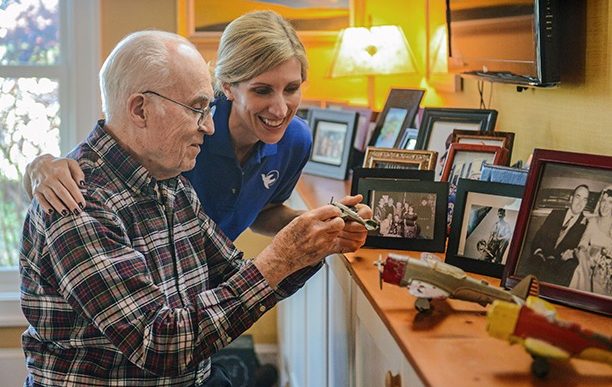
Just step into any hospital today, and what you will notice is that there is technology in most of their operations. Such technological integration usually raises fears of machines taking over the jobs of people. In actual sense, health care technology has been created to ease people from the tedium of certain manual work, not to take their place.
Clinical laboratories provide one of the best examples of this trend. Technology is here to complement clinical knowledge, not to replace it.
Why Healthcare Needs Automation More Than Ever
The burden on healthcare facilities has never been higher before. With increasing aging populations and prevalence of chronic illnesses, healthcare laboratories have been under constant pressure from an unmanageable influx of test orders on a daily basis.
However, along with all these challenges, the shortage of the labor force poses a serious problem. The HIMSS report indicates that due to the system strain, organizations start to reconsider their approach to human resources management. In addition to that, the demand for shortened turnaround time becomes even more urgent.
In order to proceed with the necessary treatment, patients and physicians must obtain the results promptly. Moreover, the complexity of molecular testing increases the importance of its precise execution. Thus, the reliance on conventional approaches becomes completely impractical.
The Growing Pressure on Laboratory Teams
This becomes a reality of enormous stress for the lab employees. It results in burnout owing to understaffing, which means that fewer people will handle larger sample numbers. In cases where there are overworked technicians, the chances of making mistakes become high, thus posing a danger to the strict requirements of quality assurance.
What Healthcare Automation Actually Does
For one to determine its effect, we should be able to know what healthcare automation is. It is neither one robot that controls a whole healthcare facility. Rather, it consists of various targeted technologies that are meant to make the workflow process more efficient. They include such aspects as AI-driven administrative scheduling and electronic health records as well as robotic processes in pharmacology and laboratory services.
According to some observations from eClaimStatus, the main purpose of the above technologies is to automate repetitive and predictable work. Automation takes care of the routine processes that consume a lot of time. According to SmarterTech, the use of technology for performing administrative and mechanical jobs makes people commit fewer errors in terms of data entry and handling.
The major thing about healthcare automation is that it cannot think on its own. It is the highly-trained medical practitioners who have the responsibility of analysing information and making any form of decisions.
How Automation Is Creating Better Healthcare Roles
With automated processes handling routine tasks, the dynamics of the lab job environment become more positive. Scientists do not have to spend time doing pipetting manually or sorting out samples; rather, they can concentrate on working with complicated information and analyzing abnormalities. This move from mundane and repetitive labor makes for a more satisfying experience and enables retaining of good employees.
In terms of process management, automation is beneficial for providing better quality control and consistency across operators. In addition, it is also helpful because it reduces physical strain. The fact that manual work in laboratories leads to repetitive strain injury which causes fatigue and absence at work has been mentioned in an article indexed in PubMed Central (PMC).
Automation Supports Clinical Expertise Instead of Replacing It
It is important to note that automation is an auxiliary means and should never be seen as a replacement for humans. A machine will never replace human judgment and analytical skills. In the event that there is an abnormality in a patient sample, a machine cannot diagnose the biological root cause of the issue.
Humans are still very much needed for result verification, compliance issues, and other complicated matters.
Laboratory Automation Is One Example of Human-Centred Healthcare Innovation
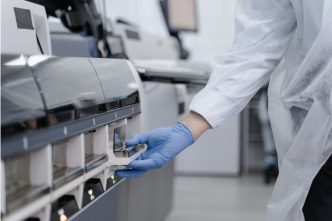
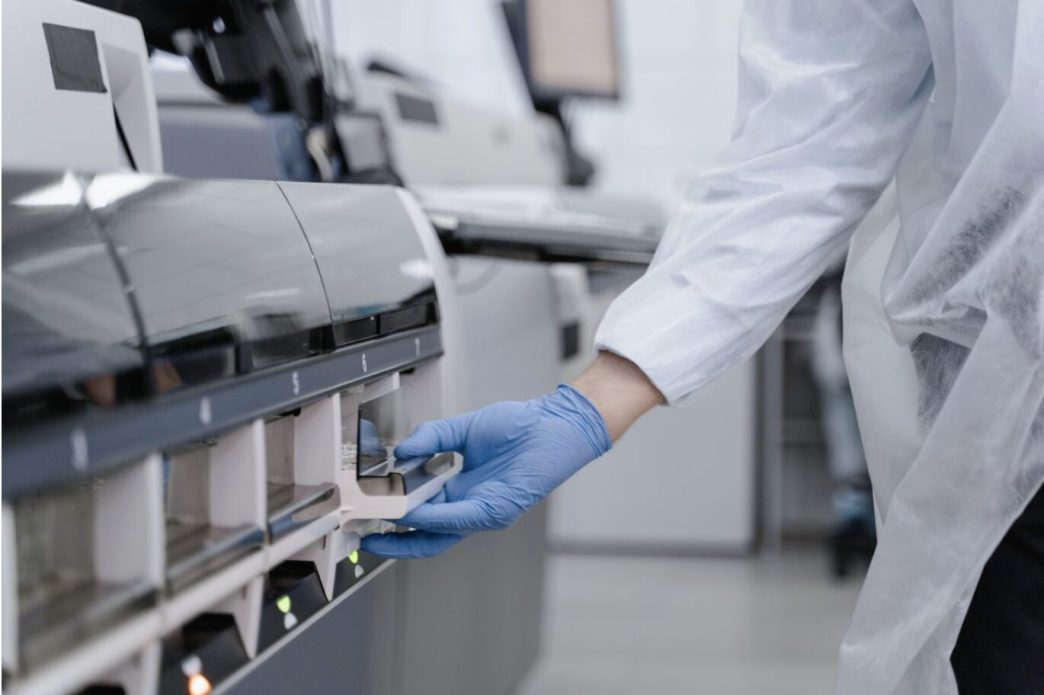
One area where human-centred technological advancement is easily observed is in laboratories. Fluid management has been an activity that has been laborious for a long time. With the help of modern technologies, liquid handling robotics can perform repetitive processes while the laboratory technician can concentrate on interpreting the results and experimental design.
In high throughput situations like PCR prep, sample preparation and genomics, the robotic technology proves very useful in providing consistent movement in order to attain high reproducibility and reduction in manual errors. This technology is not meant to keep scientists off the bench.
Rather, it is meant to provide scientists with efficient instruments that increase the efficiency of their operations and also raise the bar for output in diagnostics. Consistent mechanical steps lead to consistency in the entire laboratory environment.
Preparing the Healthcare Workforce for an Automated Future
It is natural that with this evolution of technology becoming the norm, the needs of healthcare professionals have started changing as well. The future generation of professionals needs to invest time in upskilling, especially in the areas of digital literacy and data analysis. Continuous professional development programs will be extremely helpful in enabling these technicians to move from being manual to being technology management experts.
Cross-functional collaboration among laboratory scientists, data analysts, and engineers would become a necessity. This way, the future professionals will be working alongside the technology and not competing with it as a means to get good results.
Conclusion
While technology is revolutionizing the daily processes involved in health care, it is not doing away with the need for competent practitioners. Clinical know-how, ethics, and judgment will never become redundant.
From lab automation, we learn that technology can offer a viable solution to the modern day challenges and enable health care professionals to dedicate their valuable time to other important things.