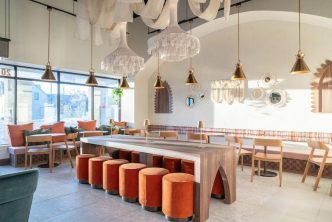
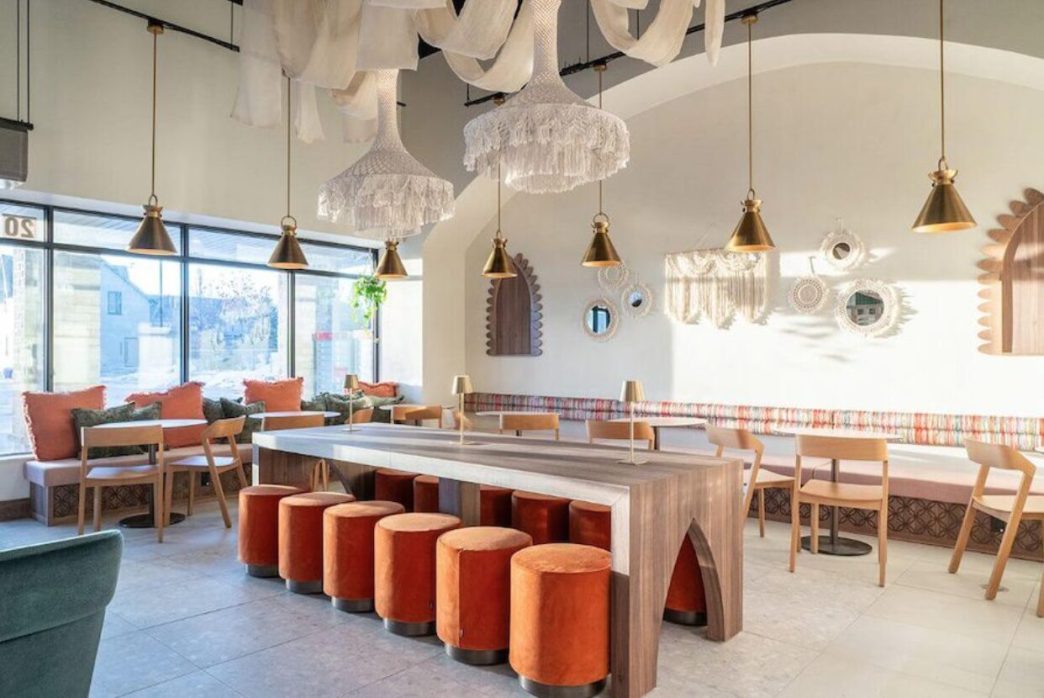
The restaurant industry in Toronto continues to evolve, with customer expectations reaching new heights. Today, diners are looking for more than exceptional food—they want memorable experiences. This is where a professional restaurant interior designer Toronto plays a crucial role. From creating inviting atmospheres to maximizing operational efficiency, thoughtful interior design can transform an ordinary restaurant into a destination that keeps customers coming back.
Whether you’re opening a new restaurant, renovating an existing space, or rebranding your business, investing in expert restaurant interior design is one of the smartest decisions you can make.
Why Restaurant Interior Design Matters
The design of a restaurant directly influences how customers perceive your brand. Before tasting the food, guests form opinions based on the ambiance, décor, lighting, seating, and overall layout. A beautifully designed restaurant creates positive first impressions that encourage longer visits, repeat customers, and positive online reviews.
Professional restaurant interior designers understand how to combine aesthetics with functionality, ensuring every square foot contributes to both customer satisfaction and operational efficiency. Check this Best Interior Designer in Toronto
Key benefits include:
- Enhanced customer experience
- Stronger brand identity
- Better space utilization
- Improved staff workflow
- Increased customer retention
- Higher perceived value
- Greater social media appeal
Understanding Toronto’s Restaurant Market
Toronto is one of Canada’s most diverse culinary destinations. From luxury fine dining establishments to trendy cafés, food halls, rooftop restaurants, and casual eateries, competition is fierce.
A restaurant interior designer in Toronto understands local dining trends, municipal building regulations, accessibility requirements, and customer preferences. This local expertise helps businesses create unique dining environments that stand out in competitive neighborhoods such as:
- Downtown Toronto
- Yorkville
- Queen Street West
- King West
- The Distillery District
- Liberty Village
- North York
- Etobicoke
Each neighborhood attracts different customer demographics, requiring customized design strategies.
The Role of a Restaurant Interior Designer
Restaurant design goes far beyond selecting furniture and paint colors. Designers create complete environments that balance beauty, functionality, and profitability.
Their responsibilities typically include:
Space Planning
Efficient layouts maximize seating while maintaining comfortable traffic flow for both guests and staff.
Kitchen Coordination
Designers collaborate with kitchen consultants to ensure the front-of-house and back-of-house function seamlessly together.
Lighting Design
Lighting creates mood, highlights architectural features, and influences customer comfort throughout the day.
Material Selection
Commercial-grade materials must withstand heavy traffic while maintaining their appearance over time.
Furniture Selection
Tables, booths, chairs, and bar seating should be comfortable, durable, and aligned with the restaurant’s concept.
Brand Integration
Every design element should communicate the restaurant’s personality, values, and cuisine.
Popular Restaurant Design Styles in Toronto
Toronto restaurants showcase a wide variety of interior styles that appeal to different audiences.
Modern Minimalist
Clean lines, neutral colors, natural lighting, and uncluttered spaces create sophisticated dining experiences.
Industrial Chic
Exposed brick walls, concrete floors, black steel fixtures, and reclaimed wood remain highly popular among urban restaurants.
Contemporary Luxury
Upscale restaurants often feature premium finishes such as marble, brass accents, velvet seating, and custom lighting.
Scandinavian Design
Simple elegance, natural wood, soft color palettes, and functional layouts provide warm and welcoming environments.
Rustic Modern
Wood textures, natural stone, greenery, and warm lighting create cozy dining atmospheres.
Biophilic Design
Plants, living walls, natural materials, and abundant daylight help connect guests with nature while improving comfort.
Essential Elements of Successful Restaurant Design
Comfortable Seating
Customers are more likely to stay longer and return when seating provides proper comfort without sacrificing style.
Efficient Layout
The dining room should accommodate guests while allowing servers to move freely without congestion.
Acoustic Control
Noise management is often overlooked but significantly impacts customer satisfaction. Designers use acoustic panels, upholstered seating, and ceiling treatments to reduce echo.
Lighting Layers
A combination of ambient, task, and accent lighting creates visual depth and flexibility throughout different times of the day.
Attractive Entryway
The entrance creates the first impression. A welcoming exterior encourages walk-in traffic and builds anticipation.
Washroom Design
Modern, clean, and stylish restrooms reinforce the restaurant’s commitment to quality.
Maximizing Small Restaurant Spaces
Many Toronto restaurants operate within compact urban locations. Professional designers know how to maximize every square foot without making spaces feel crowded.
Strategies include:
- Built-in booth seating
- Multi-functional furniture
- Vertical storage
- Open floor plans
- Mirrors to create visual depth
- Flexible seating arrangements
- Minimal visual clutter
Small restaurants can often feel more intimate and inviting when designed correctly.
Technology Integration in Restaurant Interiors
Modern restaurant design increasingly incorporates technology that enhances both customer experience and operational efficiency.
Popular features include:
- Digital menu displays
- Smart lighting systems
- Wireless charging stations
- Contactless ordering
- Integrated POS stations
- Sound zoning systems
- Energy-efficient HVAC controls
Technology should complement the dining experience without becoming distracting.
Sustainability in Restaurant Design
Eco-friendly restaurant interiors continue to gain popularity throughout Toronto. Sustainable design reduces environmental impact while appealing to environmentally conscious customers.
Sustainable practices include:
- Energy-efficient LED lighting
- Low-VOC paints
- Recycled materials
- FSC-certified wood
- Water-saving fixtures
- Natural ventilation
- Locally sourced furnishings
Sustainable restaurants often enjoy long-term operating cost savings alongside positive brand perception.
Creating Instagram-Worthy Spaces
Social media has transformed restaurant marketing. Guests frequently share photos of beautifully designed interiors, generating free exposure.
Restaurant interior designers often incorporate:
- Statement lighting fixtures
- Feature walls
- Artistic murals
- Unique ceiling treatments
- Decorative greenery
- Signature bar designs
- Eye-catching entrances
These visual elements encourage customers to take photos and tag the restaurant online.
Importance of Brand Consistency
Every design choice should reinforce the restaurant’s identity.
For example:
A luxury steakhouse benefits from rich wood finishes, leather seating, dramatic lighting, and elegant décor.
A vegan café may emphasize natural materials, greenery, earthy colors, and sustainable finishes.
A sushi restaurant might embrace minimalist Japanese-inspired aesthetics with clean lines and subtle textures.
Consistency strengthens brand recognition and customer loyalty.
Common Restaurant Design Mistakes
Avoiding common mistakes can save significant time and money during construction.
These include:
- Poor traffic flow
- Insufficient storage
- Inadequate lighting
- Overcrowded seating
- Ignoring acoustics
- Choosing residential-grade materials
- Lack of accessibility
- Weak branding
- Poor ventilation
- Insufficient electrical planning
Experienced restaurant designers anticipate these issues before construction begins.
Renovating an Existing Restaurant
Many restaurant owners choose renovation instead of relocation. A strategic redesign can completely refresh a business without changing its location.
Renovations often include:
- Updated flooring
- Modern lighting
- New furniture
- Redesigned bar area
- Refreshed color schemes
- Expanded seating
- Decorative feature walls
- Improved kitchen workflow
Even modest upgrades can significantly improve customer perception.
Choosing the Right Restaurant Interior Designer in Toronto
Finding the right designer requires careful evaluation.
Consider the following factors:
Portfolio
Review previous restaurant projects to evaluate creativity and versatility.
Industry Experience
Restaurant design differs greatly from residential or office interiors.
Local Knowledge
Toronto building codes, permits, and accessibility requirements demand specialized expertise.
Communication
Successful projects depend on clear collaboration between designers, contractors, and restaurant owners.
Budget Management
An experienced designer helps maximize design impact while controlling construction costs.
Project Management
Comprehensive oversight minimizes delays and ensures quality throughout construction.
Future Restaurant Design Trends for 2026
Restaurant interiors continue to evolve as customer expectations change.
Emerging trends include:
- Flexible seating configurations
- Wellness-focused environments
- Smart building technology
- AI-assisted lighting systems
- Sustainable materials
- Multi-purpose dining spaces
- Private dining pods
- Interactive design features
- Natural textures
- Personalized customer experiences
Restaurants that embrace innovation while maintaining timeless design principles will remain competitive for years to come.
Why Professional Design Is a Long-Term Investment
Some restaurant owners view interior design as an expense, but it should be considered a long-term investment. A professionally designed restaurant attracts more guests, improves operational efficiency, strengthens branding, and enhances customer satisfaction.
Quality design also increases property value, reduces maintenance costs through durable material selection, and helps businesses adapt to future market changes.
As competition continues to grow across Toronto’s vibrant dining scene, exceptional design becomes a key differentiator that can directly influence business success.
Conclusion
Hiring a professional restaurant interior designer Toronto is one of the most effective ways to elevate your restaurant’s identity and customer experience. From concept development and space planning to lighting, materials, branding, and sustainability, every design decision contributes to the overall success of the business.
Whether you’re launching a new restaurant, refreshing an established brand, or creating a unique dining destination, expert interior design helps transform your vision into reality. In Toronto’s highly competitive hospitality industry, thoughtfully designed spaces not only attract customers but also encourage them to return, recommend your restaurant, and become loyal patrons for years to come.