Across Africa, the demand for reliable electricity is rising steadily as urbanization, industrial growth, and digital transformation continue to accelerate. Many countries are expanding access to electricity, yet power instability, grid limitations, and rural electrification gaps remain persistent challenges. These issues directly affect households, SMEs, public services, and emerging digital economies.
At the same time, Africa is becoming one of the fastest-growing regions for renewable energy adoption, especially solar power. Abundant sunlight and falling solar technology costs are driving rapid deployment across residential, commercial, and community projects. However, renewable energy alone is not enough to ensure consistent supply, which makes energy storage increasingly essential.
Battery Energy Storage Systems (BESS) are now emerging as a core component of Africa’s energy transition. By storing excess electricity and releasing it when needed, they improve energy reliability, support renewable integration, and enable smarter, more resilient energy infrastructure across the continent.
Understanding Battery Energy Storage Systems
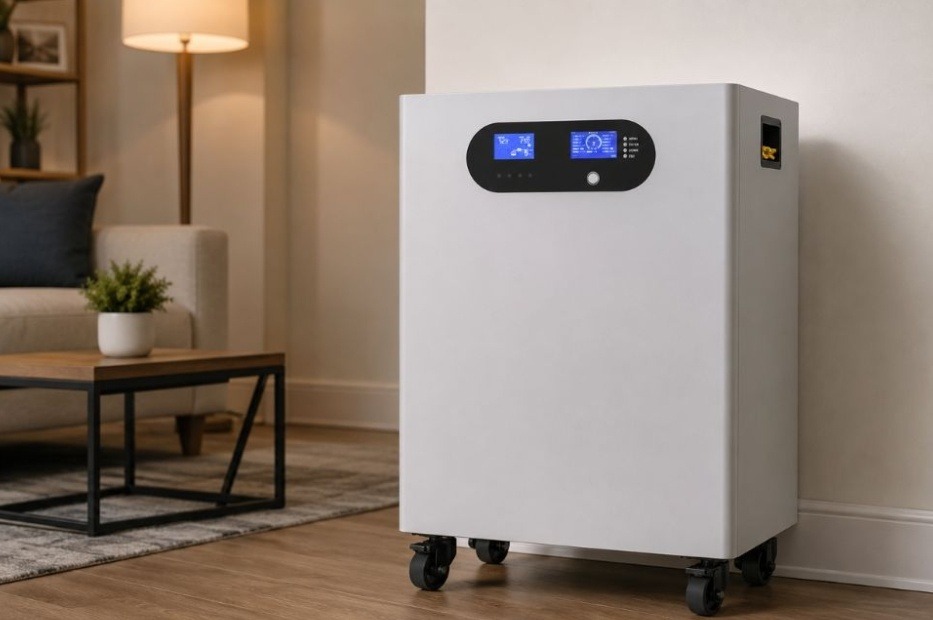
Battery energy storage systems are technologies designed to store electricity for later use. They capture excess energy during periods of high production and release it when demand increases or generation drops. This simple mechanism helps balance supply and demand in modern energy systems.
In practical terms, when solar panels generate more electricity than is immediately needed, the extra energy is stored in batteries instead of being wasted. This stored energy can then be used at night, during cloudy periods, or during grid outages.
Modern systems typically include battery units, inverters, and energy management software. Lithium-ion technology is currently the most widely used due to its efficiency, scalability, and declining cost trends.
For readers trying to understand technical fundamentals, it is also helpful to know the bess meaning, which refers to Battery Energy Storage Systems used for storing and managing electrical energy efficiently in renewable and grid applications.
Battery storage is no longer just a backup option. It is becoming a smart energy asset that supports grid stability, reduces peak demand pressure, and improves energy efficiency in both urban and rural settings.
Africa’s Growing Demand for Energy Storage
Africa’s energy demand is expanding due to population growth, rapid urbanization, and increasing digital adoption. More people are gaining access to electricity, while businesses are consuming higher levels of energy to support operations and productivity.
However, many regions still face challenges related to grid reliability and electricity shortages. Frequent outages and unstable supply make it difficult for households and businesses to depend entirely on centralized power systems.
Renewable energy adoption, particularly solar, is growing quickly across the continent. While this shift is positive, it also increases the need for energy storage systems that can manage intermittent generation effectively.
Without storage, solar energy is limited to daylight hours. Battery systems help solve this limitation by ensuring electricity is available whenever it is needed, not just when it is produced.
In this expanding ecosystem, manufacturers such as Avepower play an important B2B role in supporting large-scale deployment of energy storage systems through global partnerships.
Why Africa Needs Smarter Energy Infrastructure
Africa’s energy systems are transitioning from centralized models to more distributed and flexible networks. Solar farms, mini-grids, and local energy projects are becoming increasingly important in improving energy access.
This transition requires smarter infrastructure capable of balancing variable energy sources and fluctuating demand. Battery energy storage plays a central role in enabling this shift.
One of the key challenges is grid instability. In many regions, electricity supply is inconsistent, affecting both residential and industrial users. Battery systems help stabilize supply by providing instant backup power during outages.
Another major challenge is integrating renewable energy into existing grids. Solar and wind energy are variable by nature, and storage systems help smooth these fluctuations, ensuring a more reliable energy supply.
Supporting Solar Energy Adoption Across Africa
Solar energy is one of Africa’s most promising renewable resources due to its wide availability and long-term sustainability. It is being widely adopted across homes, businesses, and institutions.
However, solar power generation depends on sunlight, which creates a mismatch between energy production and consumption. This is where battery storage becomes essential.
By storing excess solar energy during the day, users can access electricity at night or during periods of low sunlight. This significantly improves system efficiency and reliability.
| Feature | Traditional Grid / Diesel | Solar Only | Solar + Battery Storage |
| Reliability | Often unstable | Daytime only | High reliability 24/7 |
| Cost Efficiency | High fuel cost | Low daytime cost | Long-term savings |
| Energy Access | Limited | Intermittent | Continuous supply |
| Environmental Impact | High emissions | Clean but limited | Clean and optimized |
For households, energy storage solutions for homes offer greater independence from unstable grids while ensuring backup power during outages. For businesses, combining solar and storage improves operational continuity and long-term energy cost management.
How Energy Storage Is Already Making an Impact Across Africa
Battery energy storage is already being deployed across several sectors in Africa, contributing to improved energy access and reliability.
In rural areas, solar mini-grids equipped with storage systems are providing electricity to communities that previously had little or no access to power. These systems support essential services such as education, healthcare, and small businesses.
Telecommunications networks also rely heavily on energy storage. Mobile towers require uninterrupted power to maintain connectivity, and battery systems ensure continuous operation even in regions with unstable grids.
Commercial and industrial sectors are also adopting energy storage solutions to reduce downtime and improve efficiency. By combining solar generation with batteries, organizations can reduce reliance on diesel generators and improve sustainability.
Companies such as Avepower contribute to this growing ecosystem by supplying B2B energy storage solutions that support installers and project developers working across different regions.
Benefits for Homes and Residential Users
Battery energy storage is becoming increasingly important for households across Africa, especially in areas where power outages are frequent. Many families are now combining solar systems with battery storage to improve energy reliability.
One of the key benefits is backup power during outages. Stored energy can power essential appliances such as lights, refrigerators, and communication devices, ensuring daily life is not disrupted.
Another benefit is cost optimization. By storing solar energy during the day and using it at night, households can reduce reliance on expensive or unstable grid electricity, improving long-term affordability.
How SMEs Can Benefit from Battery Energy Storage
Small and medium-sized enterprises play a critical role in Africa’s economic development but are highly affected by energy instability. Power interruptions can lead to financial losses and reduced productivity.
Battery energy storage systems provide SMEs with reliable backup power, ensuring that operations continue even during outages. This is especially important for businesses such as retail shops, clinics, and digital service providers.
In addition, energy storage helps reduce operational costs by minimizing dependence on diesel generators. Over time, this improves both financial efficiency and environmental sustainability.
Comparison: Traditional Energy vs Solar + Battery Storage
| Feature | Traditional Grid / Diesel | Solar Only | Solar + Battery Storage |
| Reliability | Often unstable | Daytime only | High reliability 24/7 |
| Cost Efficiency | High fuel + maintenance | Low daytime cost | Optimized long-term savings |
| Energy Access | Limited rural access | Intermittent supply | Continuous supply |
| Environmental Impact | High emissions | Clean but limited | Clean and efficient |
| Business Continuity | Risk of downtime | Interrupted at night | Stable operations |
How Battery Storage Supports Smarter Power Grids
Modern energy systems are evolving into smarter and more decentralized networks. Battery storage plays a key role in supporting this transformation by improving flexibility and balancing supply and demand.
One important function is peak demand management. During high consumption periods, stored energy can be released to reduce pressure on the grid and prevent overloads.
Battery systems also support renewable integration by smoothing fluctuations in solar and wind energy. This ensures a more stable and reliable energy supply while increasing the use of clean energy sources.
The Role of Energy Storage in Africa’s Smart Cities
As African cities grow, smart infrastructure is becoming increasingly important. Smart cities rely on stable electricity to support transportation systems, communication networks, and public services.
Battery energy storage ensures uninterrupted power for critical systems such as traffic control, public lighting, and security infrastructure. This improves safety and efficiency in urban environments.
It also supports digital infrastructure such as data centers and telecom networks. As Africa’s digital economy expands, reliable energy becomes essential for connectivity and innovation.
Challenges and Opportunities Ahead
Despite its advantages, battery energy storage adoption in Africa faces several challenges. High upfront costs remain a barrier for many users, particularly in rural and low-income areas.
Another challenge is the need for skilled professionals to install and maintain energy storage systems. In some regions, technical expertise is still developing.
However, the future looks promising. Battery costs continue to decline, and renewable energy investments are increasing across the continent. These trends are making energy storage more accessible and scalable.
What the Future Could Look Like
The future of energy storage in Africa will be shaped by digital innovation and renewable integration. Artificial intelligence and smart energy systems will optimize how electricity is stored and distributed.
Microgrids and virtual power plants are also expected to expand. These systems connect multiple energy sources into coordinated networks that improve efficiency and resilience.
As these technologies evolve, battery storage will become a foundational component of Africa’s energy ecosystem, supporting sustainable development and digital transformation.
Conclusion
Battery energy storage is playing an increasingly important role in Africa’s transition toward a smarter and more sustainable energy future. By bridging the gap between energy generation and consumption, it improves reliability, efficiency, and access across multiple sectors.
From residential homes and SMEs to smart cities and digital infrastructure, its impact is already visible and continues to grow. As renewable energy adoption expands, battery storage will become even more essential.
Together, solar power, battery storage, and digital innovation represent a powerful opportunity to transform Africa’s energy landscape and support long-term economic development.
Supporting the Energy Transition
The broader energy storage ecosystem also includes manufacturers and B2B solution providers such as Avepower, which support global deployment through partnerships with installers and project developers.
FAQ
1. What is battery energy storage (BESS)?
Battery energy storage systems store electricity for later use, helping balance energy supply and demand, especially with solar and wind power.
2. How does battery energy storage support solar energy in Africa?
It stores excess solar power during the day and supplies electricity at night or during outages, improving reliability and energy access.
3. Why is energy storage important for Africa’s energy future?
It helps solve power instability, supports renewable energy integration, and improves electricity access in both urban and rural areas.
4. Can battery energy storage reduce electricity costs?
Yes. It reduces reliance on diesel generators and allows users to store cheaper solar energy for later use, lowering long-term costs.
5. What is the main benefit of battery energy storage systems?
The main benefit is reliable and continuous power supply, even when the grid is unstable or renewable energy is not producing electricity.