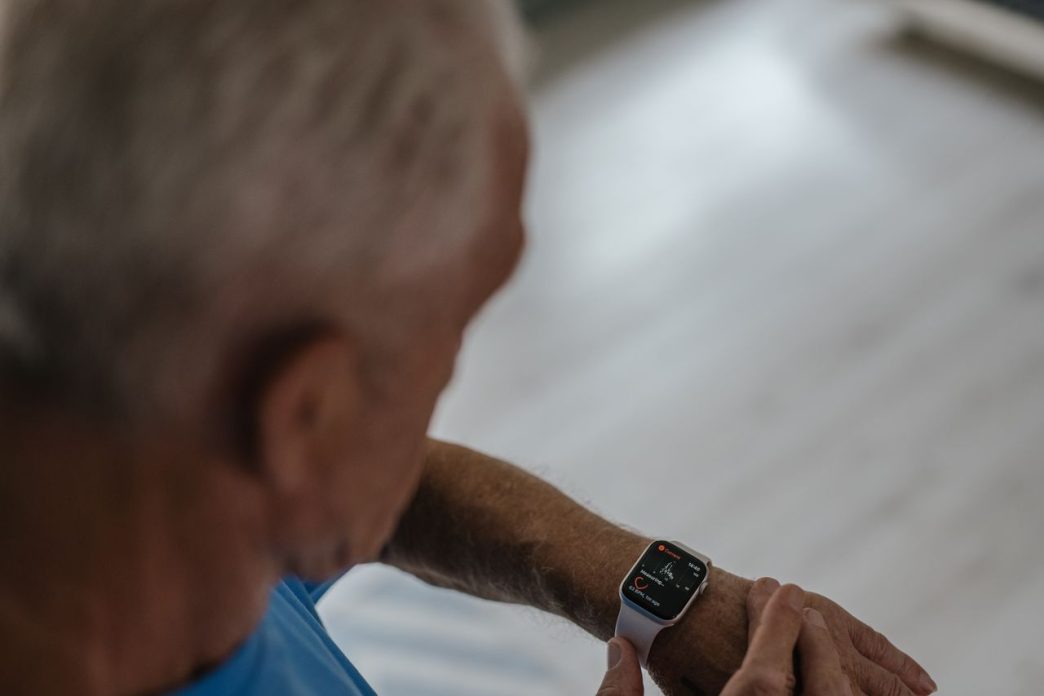
Imagine your grandmother or grandfather living alone. Everything is fine until one day, there is a fall in the house or some health problem. The phone may not be at hand, and the family may not be close enough to respond immediately. In such situations, every minute counts, so technology that can quickly send an alert or call for help can really make a big difference.
In the past, personal safety and emergency calls for help mostly depended on a cell phone or the presence of other people nearby. Today, the situation has changed significantly. Thanks to smartwatches, wearables, sensors and systems of connected devices, help can arrive much faster than before—sometimes even before a person is able to call for help.
One example is solutions like Lively, which combine wearables, GPS location, and emergency support to give users an extra sense of security at home and away.
We will explain in more detail how connected devices work, what technologies they use, and how they change the approach to personal security in everyday life.
Smart Watches Are Becoming Guardians of Health and Safety
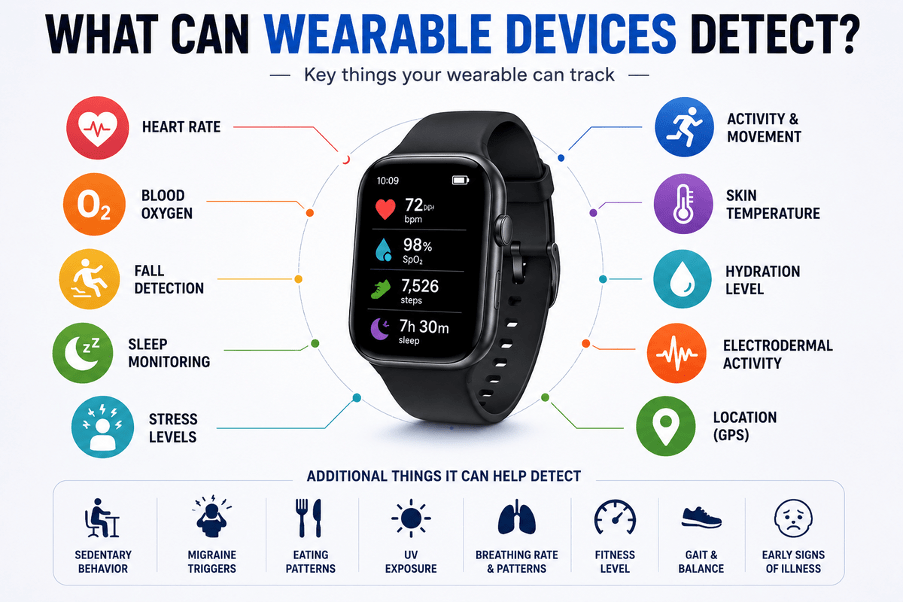
Wearable technology today has a much broader role than counting steps or tracking physical activity. More than 14 million seniors over the age of 65 fall every year, and falls are one of the leading causes of injury in this age group. This is precisely why functions such as automatic fall detection, location tracking and emergency notifications are becoming an increasingly important part of modern personal safety systems, as they can enable a faster response and reduce the time a person spends without help after an incident.
These functions are especially useful for elderly people who live independently, but also for people who often travel, work alone or have health problems. In many cases, a single button is sufficient for an emergency call, while more advanced systems can automatically respond even when the user is unable to call for help.
AI Brings a New Dimension of Protection
We may have lost some of our privacy with the development of artificial intelligence, but in return, we have gained numerous opportunities that can improve everyday life and increase security. Artificial intelligence is becoming one of the most important drivers of the development of security technologies. Instead of just recording data, connected devices can now analyze behavioral patterns and recognize potential risks.
For example, AI systems can notice an unusually long absence of movement, a sudden drop in activity or changes in health parameters. In the business environment, cameras and sensors are used that recognize dangerous situations, improper use of equipment, or potential risks of injury.
It is interesting that research shows how the application of artificial intelligence and advanced analytics in security systems can significantly accelerate the response to incidents and reduce the number of false alarms.
The more data the system collects, the more accurately it can estimate when the user needs help.
Smart Homes Become Part of the Security System
The concept of a smart home is no longer limited to remote control of lights or the thermostat. Today’s sensors can monitor everyday activities and recognize when something deviates from normal behavior.
Such information can be especially useful for families caring for elderly members of the household, for example, when motion sensors can detect that a person has not gotten out of bed when expected or that they have not moved for an extended period of time. Instead of waiting for an emergency, systems can signal earlier that something is wrong.
In addition, smart smoke detectors, security cameras and other connected devices can automatically activate appropriate procedures and forward information to emergency services.
Challenges That Should Not Be Ignored
Although the advantages of connected devices are becoming more and more obvious, it is important to keep in mind certain challenges that accompany their application:
- Data privacy, a large number of devices collect sensitive information about users, including data about location, health and daily habits.
- Cyber security—protecting this data from unauthorized access remains one of the key priorities for manufacturers and service providers.
- System reliability—although advanced features like automatic fall detection can help significantly in emergency situations, no technology is completely foolproof.
The Future of Personal Security Is Connected
Everything points to the fact that connected devices will play an ever-increasing role in everyday life. As sensors become more accurate and artificial intelligence more advanced, personal safety systems will be able to recognize potential problems earlier than ever.
Technology is enabling risks to be recognized in advance, rather than waiting to react to an emergency. It provides a greater sense of security to seniors, families, employees and anyone seeking extra protection during their daily activities.
Connected devices are becoming an ever more important part of modern security, offering people greater independence, faster assistance and peace of mind in their daily lives.