For nearly two decades, “search” meant typing a few words into a box and scrolling through a list of blue links. That era is quietly fading. Today, millions of people open ChatGPT, Google Gemini, or Perplexity and simply ask a question the way they’d ask a knowledgeable friend — and they get a direct, conversational answer instead of a list of websites to click through. This shift isn’t a minor update to how search engines work. It’s a fundamental change in how information is discovered, summarized, and trusted, and it’s reshaping the digital landscape faster than most businesses realize.
The Search Bar Is No Longer the Only Front Door
Search used to be a single, predictable funnel: a person had a question, typed it into Google, and clicked through to a website for the answer. That funnel has split into multiple paths. Some people still use traditional search, but a growing number now turn to AI assistants first. ChatGPT alone handles hundreds of millions of queries a day, many of which look exactly like searches — “best project management tools for small teams,” “how to fix a slow laptop,” “what’s the difference between Roth and traditional IRAs.”
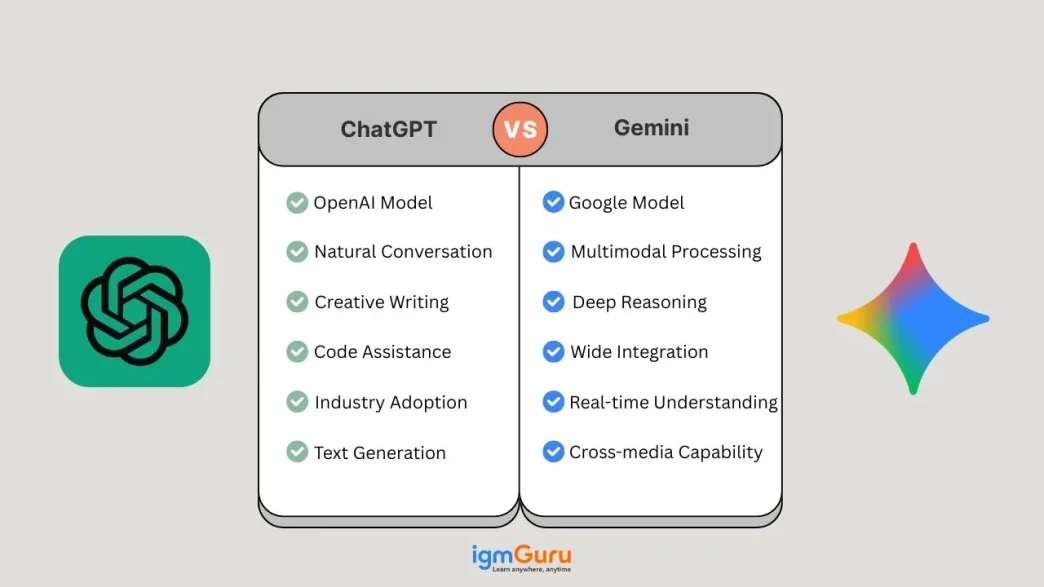
Microsoft Copilot is built directly into Windows and Edge, putting an AI assistant in front of users before they ever open a browser tab. Perplexity has positioned itself as an “answer engine” that cites sources but delivers the synthesis upfront. Meanwhile, Google has woven Gemini-powered AI Overviews directly into its search results page, meaning even people who type into the traditional search bar are now seeing AI-generated summaries before any organic listings appear. The front door to information has multiplied, and each of these doors works differently.
From “Ten Blue Links” to Conversational Answers
The biggest visible change is the format of the answer itself. Traditional search returned a ranked list of pages and left it to the user to click, read, and compare. AI Overviews and chatbot responses instead pull information from multiple sources, synthesize it into a few paragraphs, and present it as a single cohesive answer — often with little or no need to visit another website at all.
This is a massive shift in user behavior. Studies have repeatedly shown that when an AI Overview appears at the top of a search results page, click-through rates to the underlying websites drop noticeably. The same pattern holds inside chatbots: if ChatGPT or Gemini can answer a question completely within the chat window, there’s often no reason for the user to leave. For businesses that have spent years optimizing content to rank on page one, this is uncomfortable news — ranking first no longer guarantees a visit.
Why These Platforms Choose What They Show
It’s worth understanding how these systems actually decide what to include in their answers, because it’s not random. Most AI search tools rely on a process called retrieval-augmented generation, where the model searches a live index of web content, pulls the most relevant and trustworthy pieces, and then generates a response grounded in that material.
Several factors influence whether a piece of content gets pulled into these answers. Clear, well-structured information tends to perform better than dense, jargon-heavy text. Content that directly answers a specific question — in a sentence or two, near the top of a page — is easier for these systems to extract and quote. Sites with strong topical authority, consistent publishing history, and credible backlinks are more likely to be treated as trustworthy sources. And technical factors like clean HTML structure, proper headings, and schema markup help these AI crawlers understand what a page is actually about.
In other words, the rules haven’t disappeared — they’ve evolved. The sites that show up inside AI-generated answers tend to be the ones that were already doing high-quality SEO, just with an added emphasis on clarity and direct answers.
The New Battle: Visibility Inside AI Answers
This is where a new discipline has emerged, often called Generative Engine Optimization, or GEO. Where traditional SEO focused on ranking a page in a list, GEO focuses on getting a brand, product, or piece of information mentioned, cited, or recommended within an AI-generated response — regardless of whether the user ever clicks a link.
For businesses, this changes the definition of “winning” online. Appearing as the cited source inside an AI Overview, being the brand ChatGPT recommends when someone asks for the “best” option in a category, or showing up in a Perplexity answer with a citation — these are becoming just as valuable as a top organic ranking, sometimes more so, because the user sees the brand name even if they don’t click through.
This is exactly why more forward-thinking companies are now working with agencies that help them rank on ChatGPT, Google Gemini, Perplexity, Google AI Overviews, and Microsoft Copilot, treating AI visibility as a core part of their digital strategy rather than an afterthought.
What Changes for Businesses and Marketers
The practical implications are significant. Marketers can no longer think of SEO purely in terms of keyword rankings and traffic numbers. Instead, the focus needs to expand to brand visibility across an entire ecosystem of AI tools. A few key shifts stand out:
Content needs to answer questions directly and early, rather than burying the useful information under long introductions. Authority and trust signals — reviews, mentions on reputable sites, consistent brand information across the web — matter more because AI models weigh credibility heavily when choosing what to cite. And businesses need to monitor not just their search rankings, but how (and whether) they’re being mentioned inside AI-generated answers, which requires new tools and new ways of measuring success.
Preparing for an AI-First Search Era
The good news is that the fundamentals haven’t been thrown out — they’ve been sharpened. Businesses that already invest in clear, helpful, well-organized content with strong technical foundations are in a good position to adapt. The key is to layer GEO-specific practices on top: structuring content so individual sections can stand alone as direct answers, building genuine authority through consistent publishing and credible mentions, and keeping a close eye on how AI platforms are representing the brand.
The Road Ahead
Search is no longer a single experience — it’s a collection of overlapping ecosystems, each with its own rules for what gets seen and trusted. ChatGPT, Gemini, Perplexity, AI Overviews, and Copilot are not passing trends; they represent how a growing share of the population finds information every single day. Businesses that adapt early — treating AI visibility as seriously as they once treated traditional rankings — will be the ones still getting found, and chosen, in the years ahead.