What Does The Project Involves?
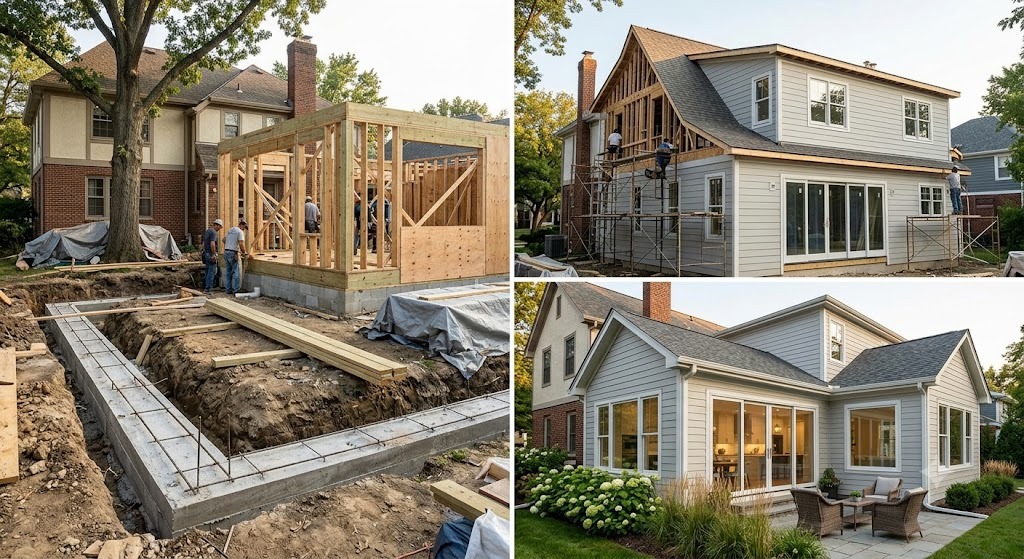
Building an addition to a home means creating new usable space that connects to your existing house. This space can become a bedroom, kitchen expansion, bathroom, office, sunroom, second story, garage conversion, or small bump-out.
The right choice depends on your location, budget, current layout, family needs, and local building rules. A home addition is not just extra square footage. It also affects structure, utilities, roofing, heating, cooling, permits, and daily access during construction.
A good project starts with a clear goal. Before you compare materials or finishes, decide what the new space needs to solve. Do you need privacy, more storage, a larger gathering area, or a separate living space? That answer should guide every decision.
Plan Before You Build
How to build an addition to a home starts with planning, not demolition. You need to understand what your home can support, what your property allows, and what your budget can cover.
Before speaking with contractors, define these points:
- The main purpose of the new space
- The approximate square footage you need
- Your maximum budget
- The rooms or systems affected
- The level of disruption your household can handle
- Your ideal timeline
A clear plan reduces changes once construction begins. Changes during the build often increase costs because they affect labor, materials, permits, and scheduling.
If you need local support, a home addition contractor in Bergen County, NJ can review your property, explain local limits, and help you choose an addition that fits your home.
Set a Realistic Budget
A home addition can involve many trades. You may need framing, roofing, siding, insulation, windows, flooring, drywall, painting, electrical work, plumbing, HVAC, and finish carpentry.
Your budget should include more than visible construction. Plan for design work, permits, inspections, demolition, cleanup, site preparation, and possible temporary living adjustments. Some homes also need structural repairs, drainage improvements, electrical upgrades, or HVAC changes before the new space can work properly.
Maintain a 10%-15% contingency fund. Older homes often hide problems behind walls, floors, or ceilings. A reserve helps you handle those issues without stopping the project.
Check Permits and Local Rules
Do not build an addition to your house before checking zoning, setbacks, lot coverage, and permit requirements. These rules govern the size of the addition, where it can be located, and how close it can be to property lines.
Permits may be required for foundation work, framing, roofing, plumbing, electrical systems, insulation, and structural changes. Skipping permits can create problems when you sell, refinance, insure, or renovate the home later.
Confirm these items before work starts:
- Property lines and setbacks
- Local zoning restrictions
- Building permit requirements
- Utility access and upgrades
- HOA (Homeowners Association) rules, when applicable
- Required inspections
This step protects your investment and helps avoid delays once construction begins.
Choose the Right Addition Type
Different additions solve different problems. A room addition is a good option when you need a bedroom, office, guest room, or family space. A bump-out can expand a kitchen, bathroom, dining area, or closet without creating a full new room.
A second story can add major square footage without expanding the home’s footprint, but it requires careful structural review. A garage or attic conversion can use existing space, but it still needs proper insulation, ventilation, lighting, and code-compliant access.
| Addition Type | Best Use |
| Room addition | Bedroom, office, family room, or guest room |
| Bump-out | Kitchen, bathroom, dining area, or closet |
| Second story | More space on a smaller lot |
| Garage conversion | Studio, gym, living area, or in-law space |
| Sunroom | Bright sitting area or casual living space |
The best option depends on your current structure, long-term plans, and how the new space improves daily life.
Design for the Existing Home
Building an addition on a house should feel planned. The roofline, siding, windows, flooring, ceiling height, and exterior details should connect naturally with the original structure.
Good design also considers movement. A new bedroom should not create an awkward hallway. A kitchen expansion should improve storage, prep space, and traffic flow. A bathroom addition should connect to plumbing in a practical way.
Comfort matters too. Plan heating, cooling, lighting, sound control, and access early. A new space can look finished but still feel uncomfortable if these details are ignored.
Work With Qualified Professionals
A home addition often needs more than one professional. Depending on the scope, you may need a designer, architect, engineer, contractor, plumber, electrician, technician, and inspector.
When comparing contractors, do not choose only by price. Ask about similar projects, licenses, insurance, payment schedules, timelines, and change orders. A detailed proposal should explain the scope of work, materials, exclusions, and expected schedule.
Clear communication matters. You should know who manages the project, who answers questions, and how updates will be shared.
What About Manufactured Homes?
Can you build an addition to a manufactured home? In many cases, yes, but the project needs careful review. Manufactured homes have specific structural systems, foundation needs, and code requirements.
An addition should usually not place an extra load on the manufactured home unless an engineer confirms it is safe. The new space may need its own foundation, framing, roof connection, insulation, and utility plan.
Speak with your local building department and a contractor with experience in manufactured homes before starting.
Final Steps Before Construction
Before construction begins, review the design, contract, permits, payment schedule, and timeline. Move furniture away from work zones, protect valuables, and plan for noise, dust, and limited access.
A successful addition starts with clear goals, realistic numbers, and the right team. When you understand the rules, costs, design choices, and build process, you can make better decisions and avoid expensive mistakes.