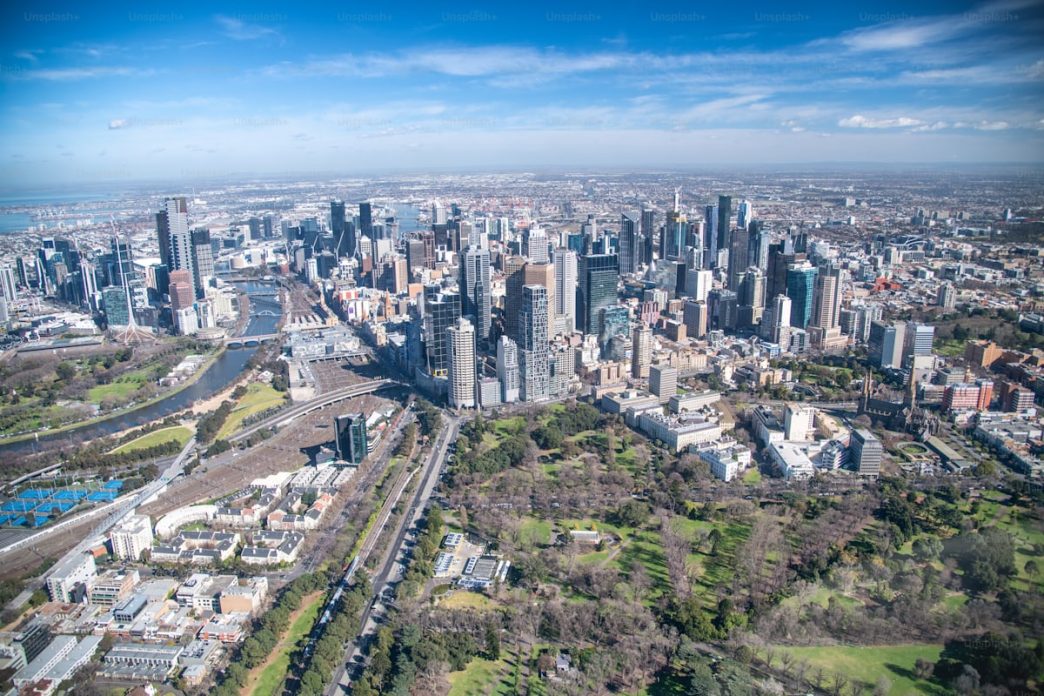
Imagine an individual looking at purchasing a property in Sydney, sitting comfortably in their house in Singapore but never having set foot onsite. As opposed to seeing sketches or images, the potential buyer is well versed about the property because they toured all the rooms using virtual reality architecture. That is how VR architecture has revolutionised building projects in Australia.
In today’s world, VR architecture can no longer be considered a innovative technology, which has become the norm in building development and property sale projects.
At Ecompapi Studio, these kinds of experiences can be created in line with specific project requirements, including 3D interior rendering services that complement VR architecture by helping visualise spaces in detail before they are experienced interactively.
This article, you will learn more about what is VR architecture, how does virtual reality work in architecture, why are developers using VR to sell properties in Australia, and how has VR changed property marketing in Australia.
What is VR Architecture?
VR architecture describes the process of using VR technology for generating immersive and interactive 3D spaces created based on architectural designs. Thus, instead of envisioning a space, a user can enter it, walk around, and clearly understand its dimensions.
In many projects, 3D interior rendering services are used alongside VR architecture to provide both detailed still visuals and immersive walkthrough experiences.
It allows for getting a human scale experience of a building even prior to construction work. Therefore, it facilitates closing the gap between the designer’s intentions and the actual perception.
Why is VR So Different from Other Ways of Visualising an Architecture Project?
Unlike renderings, VR adapts to user actions in real time. Unlike 360-degree tours, it does not rely on captured photos and videos. It is entirely generated from design information and thus provides complete freedom of navigation.
How Does Virtual Reality Work in Architecture?
Understanding how does virtual reality work in architecture starts with a clear but practical workflow.
- 3D Modelling
Architectural drawings and BIM files are transformed into detailed digital environments. Materials, lighting, furniture, and spatial proportions are added to reflect the intended design.
- Real-Time Engine Processing
The model is imported into platforms such as Unreal Engine or Unity. These engines allow users to move through the space interactively rather than viewing pre-rendered frames.
- Optimisation
The experience is refined so that it performs smoothly across devices, whether it is a headset, browser, or display setup.
- Delivery
The final environments are provided either through VR headsets, web browser viewing, or display suite installations in order for different users to access them.
In Australia, this has become a more efficient process because most architects’ teams already provide BIM/CAD files. This means that going from 2D drawings to VR environments becomes much easier.
Why Are Developers Using VR to Sell Properties in Australia?
The growing adoption of VR architecture reflects the realities of the Australian property market.
Off-the-Plan Sales Confidence
Developers often rely on presales to move projects forward. VR allows buyers to understand layout, scale, and spatial feel in a way that traditional visuals cannot match. This creates a stronger sense of certainty before purchase.
International and Remote Buyers
The majority of Australians buying properties are from elsewhere within the country or outside. With VR, buyers from far away can view properties without traveling.
Higher Buyer Commitment
Buyers gain better understanding of the purchase when information is clearer. They become more committed and are less likely to have doubts while making decisions.
Cost Efficiency
It takes a lot of resources to create physical display suits. However, with VR, changes to projects can easily be accommodated.
From these points, we can see why developers use VR to sell properties in Australia.
How Has VR Changed Property Marketing in Australia?
The shift toward immersive tools has transformed how property marketing is approached across the country.
Previously, campaigns relied heavily on brochures, static renders, and physical display suites. Today, VR architecture allows buyers to actively explore spaces rather than interpret them.
This shift has introduced meaningful changes:
- Projects can launch earlier with stronger buyer confidence
- Campaigns can operate digitally from day one
- Buyers engage with spaces rather than static visuals
- Marketing strategies become more data driven
Because of this, how has VR changed property marketing in Australia becomes easy to recognise. Marketing is no longer about describing a space. It is about allowing people to experience it.
VR Architecture in 2026
Technology continues to evolve rapidly, and VR is becoming more accessible and refined.
- WebXR platforms allow browser-based experiences without specialised hardware
- Apple Vision Pro introduces higher levels of immersion for premium developments
- AI-driven staging enables personalised environments based on user preferences
These advancements show that VR architecture is not a future concept. It is already shaping how projects are delivered today.
Who Uses VR Architecture?
VR is valuable across multiple roles in the property and design ecosystem.
- Developers use it to support presales and investor presentations
- Architects use it to validate design decisions and reduce revisions
- Marketing teams use it to create stronger, more engaging campaigns
- Buyers use it to fully understand spaces before making decisions
This wide adoption highlights how VR supports the entire project lifecycle.
Is Your Project Ready for VR?
VR becomes especially valuable when certain project conditions exist:
- You are preparing an off-the-plan sales launch
- You already have 3D drawings or BIM models available
- Your buyer audience is geographically distributed
- You want to reduce uncertainty before construction begins
Projects that meet these criteria tend to benefit the most from immersive visualisation.
Frequently Asked Questions
What is VR architecture?
VR architecture allows users to step inside a digital version of a building before it is built. It replaces static visuals with a realistic, interactive experience that improves understanding of space and layout.
How does virtual reality work in architecture?
How does virtual reality work in architecture involves transforming design data into a real-time 3D environment that users can explore through a headset or browser with complete freedom of movement.
Why are developers using VR to sell properties Australia?
Developers rely on VR because it builds trust with buyers, expands reach to remote audiences, and makes off-the-plan purchases feel more secure through realistic visualisation.
How has VR changed property marketing in Australia?
VR has shifted marketing toward experience-based engagement. Buyers can explore properties in detail, which supports faster and more confident decision making.
Conclusion
Nowadays, VR architecture is not about tinkering around with technology; rather, it is about better decision making, effective communication, and instilling confidence in potential customers.
Here at Ecompapi Studio, we develop all our VR projects based upon realistic needs and objectives. We are not just trying to make things look cool; rather, we are striving to create clear, practical, and compelling visualisations that can truly add value.
Ready to bring your project to life in VR?
Connect with Ecompapi Studio for a consultation and explore how immersive visualisation can support your next development.