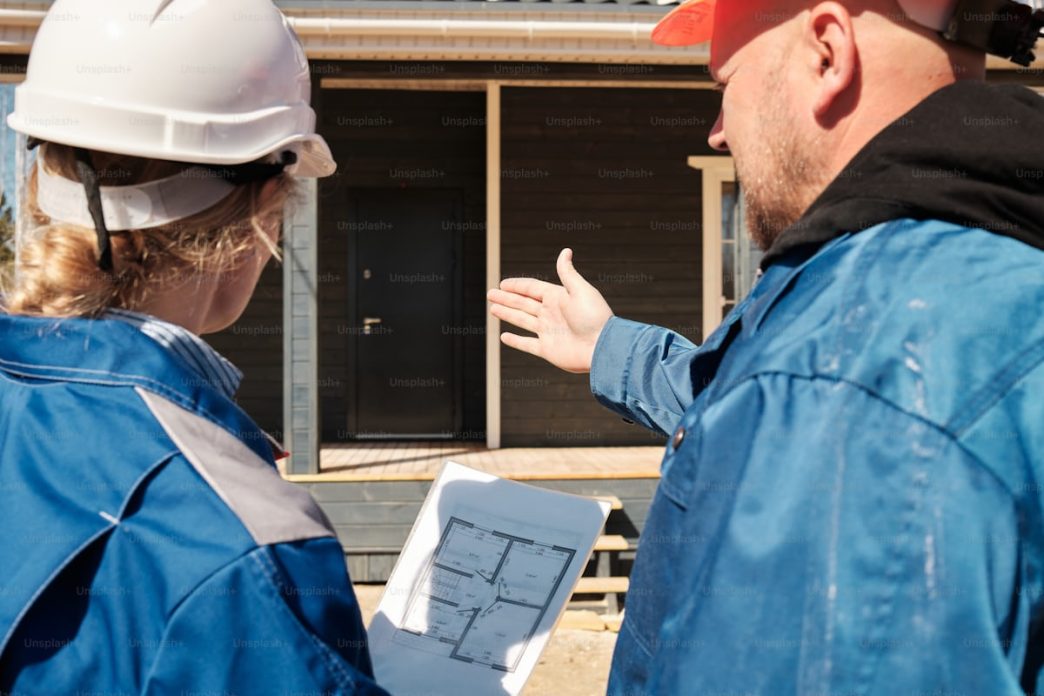
While you may assume that a contractor’s role doesn’t begin until permits are approved and construction starts, the reality is that some of the most important work happens long before the first permit application is even submitted. The right contractor can help define project goals, identify potential challenges, and create a feasible action plan that improves efficiency throughout the entire construction process. When general contractors are involved early on, they are better able to help projects stay on schedule, within budget, and provide a more streamlined experience from concept to completion.
Planning Begins Long Before Construction
Successful projects must start with a clear understanding of scope, budget, timeline, and site conditions. Contractors who are brought into the pre-construction planning phase can offer valuable insights that influence key decisions before they become expensive changes. During pre-construction, contractors can help evaluate:
- Project constructability
- Site constraints
- Building code requirements
- Construction methods
- Material availability
- Budget expectations
- Schedule feasibility
Having this preliminary input enables property owners and design professionals to make informed decisions while there is still flexibility in the process.
Identifying Potential Obstacles Early
Construction projects rarely go exactly as planned – existing site conditions, zoning requirements, utility risks, and permitting issues can all create unexpected delays if they are not identified early. Experienced contractors know how to spot potential challenges before they turn into major problems, and by reviewing design plans and evaluating site conditions upfront, they can help minimize common disruptions later in the project:
- Access limitations
- Drainage concerns
- Structural modifications
- Utility installations or relocations
- Environmental considerations
- Permitting requirements
Addressing these factors during the planning stage is usually far less expensive than resolving them after construction is already underway.
Improving Budget Accuracy
Many project budgets are initially developed using broad estimates, so they typically don’t reflect actual construction costs. Contractors who participate in pre-construction can help refine budgets by providing current pricing information, labor considerations, material cost projections, and value engineering opportunities. This process often results in more detailed, accurate financial planning as well as fewer surprises and change orders once the work begins. A realistic and thorough budget also allows property owners to prioritize project elements and make adjustments before plans are finalized.
Supporting a More Efficient Permitting Process
Permitting requirements can vary significantly depending on the type of project, location, and scope of work. Contractors who are familiar with local processes can help ensure the plans are correctly prepared before they are submitted, which may help reduce delays by:
- Identifying all required permits
- Coordinating documentation
- Reviewing code compliance issues
- Addressing constructability concerns
- Helping prepare project schedules
When plans are properly coordinated before submission, permit reviews often proceed more efficiently.
Strengthening Coordination Between Teams
Construction projects require collaboration between property owners, architects, engineers, contractors, consultants, subcontractors, suppliers, and construction teams. If strong communication isn’t prioritized, costly misunderstandings may occur.
Bringing a contractor into the process early creates opportunities for better coordination among all stakeholders. Design decisions can be considered through both technical and practical construction perspectives, helping ensure the final plans are both realistic and achievable. This collaborative approach improves scheduling, reduces change orders, and results in a smoother process.
Building a Strong Foundation for Project Success
The success of a construction project is often determined long before the first shovel of dirt leaves the ground. Planning choices made during design development, budgeting, and permitting can significantly influence outcomes months later, so it is crucial to have a general contractor who can help navigate complex decisions, identify risks, and establish realistic expectations from the very beginning.