Home cleaning and organization used to be about buying more storage bins, stronger sprays, and bigger machines. In 2026, the best home brands are taking a different approach.
Instead of asking people to work harder, they are designing products that make everyday maintenance easier to start, easier to store, and easier to repeat. The most interesting innovation is not always the flashiest technology. Sometimes it is a better hose system, a smarter vacuum, a modular storage solution, or a cleaning product that removes unnecessary steps from the routine.
From garage tools to robotic vacuums and low-waste cleaning systems, these nine brands are changing how homeowners think about clean, organized living.
1. Giraffe Tools
Giraffe Tools stands out by solving one of the least glamorous but most common home problems: messy hoses, cords, and bulky garage equipment.
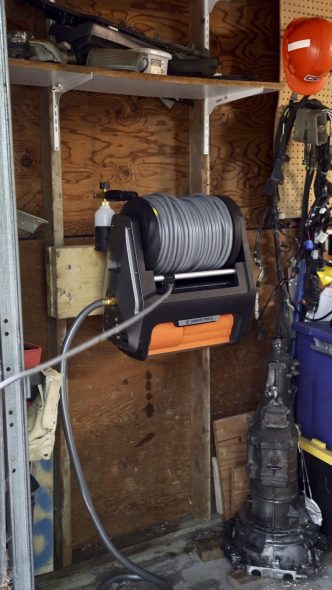
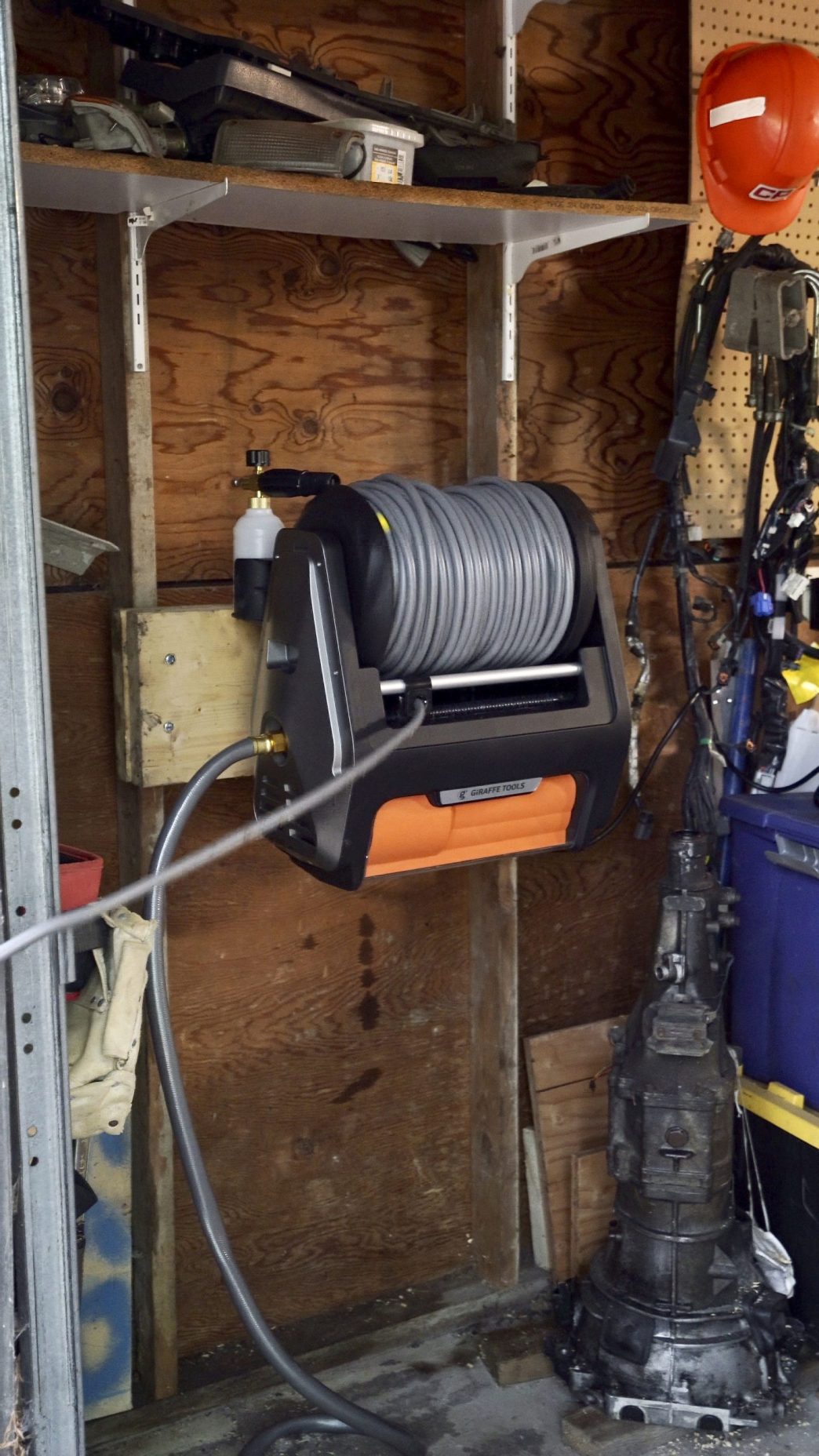
The brand has carved out a unique niche with its patented retractable technology — from auto-retract pressure washers to hose reels that never tangle. Their wall-mounted designs have become a favorite among garage organization enthusiasts who want cleaning tools that stay accessible without taking over the floor.
What makes Giraffe Tools interesting is that the products combine cleaning power with storage logic. A traditional pressure washer, hose, or vacuum often creates clutter before the cleaning even begins. Giraffe Tools flips that experience by building retractable systems that mount to the wall, pull out when needed, and rewind neatly after use.
For homeowners who wash cars, clean driveways, maintain patios, or organize small garages, this kind of design feels practical rather than gimmicky. It reflects a bigger trend in home care: tools should not only perform well, but also make the space easier to live in.
Best for: Garage organization, outdoor cleaning, car washing, yard care, and homeowners who want tools that store themselves.
2. Tineco
Tineco has helped make smart floor cleaning more approachable for everyday households. Its wet-dry vacuums and floor washers are designed for people who want to vacuum and mop in one step, rather than switch between multiple tools.
The appeal is convenience. For homes with kids, pets, kitchens, and high-traffic floors, the ability to clean wet and dry messes quickly can make daily maintenance less frustrating.
Tineco’s growth also shows how much homeowners value time-saving cleaning systems. People are no longer looking only for suction power. They want tools that reduce steps, simplify cleanup, and fit naturally into daily routines.
Best for: Busy households, hard floors, pet messes, and quick daily cleaning.
3. Roborock
Roborock continues to be one of the most recognized names in robotic home cleaning. Robot vacuums are no longer just novelty gadgets. Many now map rooms, avoid obstacles, mop hard floors, empty themselves, and return to charging stations automatically.
The reason this category matters is simple: it turns cleaning from a scheduled chore into a background routine. A robot vacuum will not replace every deep-cleaning tool in the home, but it can dramatically reduce everyday dust, crumbs, and pet hair.
For homeowners focused on consistency, Roborock represents a major shift. Clean floors become less dependent on motivation and more dependent on automation.
Best for: Daily floor maintenance, pet hair, smart homes, and people who want cleaning to happen in the background.
4. simplehuman
simplehuman has built its reputation around everyday home products that feel more refined than the standard version. Trash cans, soap dispensers, sensor mirrors, and kitchen organizers may sound ordinary, but the brand focuses on better materials, smoother mechanisms, and cleaner design.
The innovation here is not about making a product more complicated. It is about making frequently used items work better. A trash can that opens smoothly, contains odors, and fits neatly into a kitchen layout can have more impact on daily life than people expect.
simplehuman is a reminder that home organization is often about small friction points. Fix enough of them, and the whole space feels easier to manage.
Best for: Kitchens, bathrooms, modern homes, and design-conscious organization.
5. The Home Edit
The Home Edit helped popularize a more visual, category-based approach to organization. Clear bins, labeled containers, color grouping, and open shelving systems are now common in pantries, closets, laundry rooms, and playrooms.
The brand’s strength is not only products, but also a method. It gives homeowners a framework: sort, edit, contain, and maintain.
This approach works because it makes storage visible and intuitive. When every item has a clear place, clutter becomes easier to prevent.
Best for: Pantries, closets, family storage zones, and visually organized homes.
6. Joseph Joseph
Joseph Joseph focuses on compact, clever design for kitchens, bathrooms, and utility spaces. The brand is known for tools that fold, stack, nest, or combine multiple functions into one product.
For smaller homes and apartments, this matters. Many households do not need more items; they need smarter items that take up less space.
From nesting bowls to compact trash systems and drawer organizers, Joseph Joseph’s products are built around one idea: good design should reduce clutter before it starts.
Best for: Small kitchens, apartments, compact storage, and multi-use home tools.
7. Ruggable
Ruggable changed the rug category by making washable rugs mainstream. For homes with pets, kids, spills, and high-traffic rooms, the idea of being able to wash a rug at home is highly practical.
Traditional rugs can be difficult and expensive to clean. Ruggable’s two-piece system makes maintenance easier by separating the rug cover from the pad.
The broader innovation is emotional as much as functional. Homeowners can choose lighter colors, bolder patterns, or high-use placements without worrying as much about permanent stains.
Best for: Families, pet owners, dining rooms, entryways, and washable home decor.
8. Branch Basics
Branch Basics represents the rise of simplified, lower-toxicity home cleaning. Instead of buying a separate cleaner for every surface, the brand focuses on one concentrate that can be diluted for different uses.
This speaks to a larger movement toward cleaner ingredient lists and less product clutter. Many homeowners want cleaning supplies that feel safer, easier to understand, and less wasteful.
The benefit is both practical and organizational. Fewer bottles under the sink means less confusion, less waste, and a simpler cleaning routine.
Best for: Low-tox homes, simplified cleaning routines, and households trying to reduce product clutter.
9. OXO
OXO has been a quiet force in home utility for years, especially in kitchens, cleaning tools, and storage. Its strength is ergonomic design: products that feel comfortable, intuitive, and reliable.
From scrub brushes and containers to dusters and sink tools, OXO often improves the small tasks people repeat every day.
That kind of innovation is easy to overlook because it is not dramatic. But for cleaning and organization, comfort and usability matter. A tool that is easier to grip, easier to clean, or easier to store is more likely to be used consistently.
Best for: Everyday kitchen tools, cleaning accessories, food storage, and ergonomic home products.
Final Thoughts
The most innovative home brands in 2026 are not just adding technology for the sake of it. They are removing friction from everyday routines.
Giraffe Tools makes outdoor and garage cleaning easier to store and start. Roborock automates daily floor care. Tineco combines cleaning steps. simplehuman and Joseph Joseph refine everyday utility. The Home Edit turns organization into a system. Ruggable makes decor easier to maintain. Branch Basics simplifies cleaning supplies. OXO improves the feel of daily tools.
Together, these brands point toward the same future: homes that are easier to clean, easier to organize, and easier to live in.
The real innovation is not just smarter products. It is a better relationship between people, tools, and the spaces they use every day.