
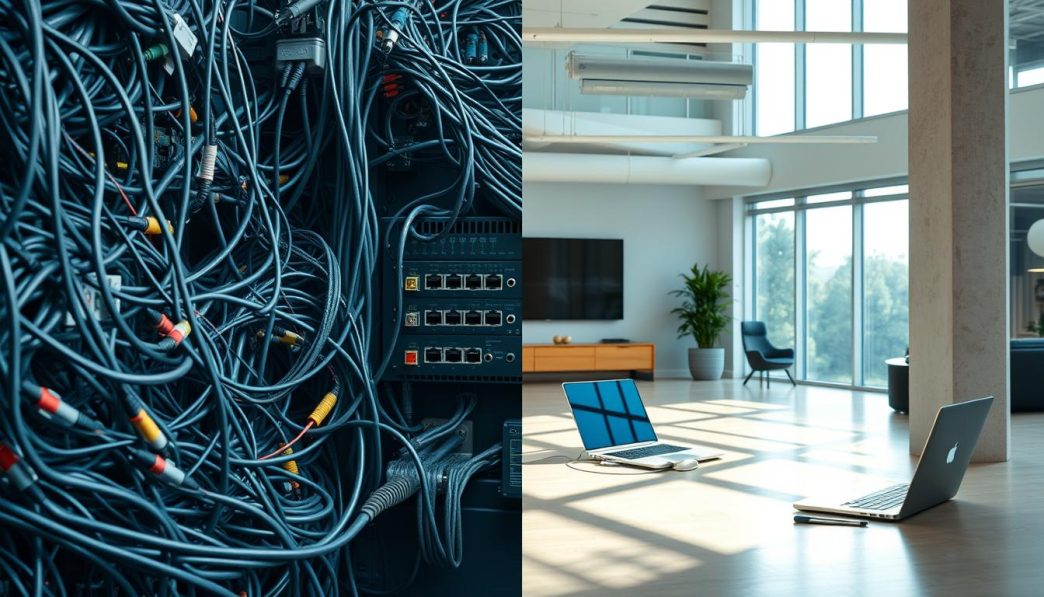
Wireless technology has transformed the modern workplace. Employees now move freely with laptops, tablets, and mobile devices while cloud platforms keep teams connected from almost anywhere. Because of this convenience, many small businesses assume Wi Fi alone is enough to support office operations.
Modern offices rely on stable communication more than ever before. Teams collaborate through cloud software, attend virtual meetings daily, and transfer large amounts of data constantly.
The growing demand explains why many businesses continue investing in Ethernet cables alongside wireless systems instead of replacing them completely.
Wireless Convenience Has Its Limits
Wi Fi offers flexibility that businesses value greatly. Employees can work from conference rooms, shared spaces, and temporary workstations without dealing with physical cables. For smaller teams, this setup may initially seem sufficient.
However, wireless performance changes depending on distance, interference, and device load. As more devices connect to the same access point, speeds often decline. Office layouts can also weaken signals. Thick walls, glass partitions, printers, and nearby electronics sometimes interfere with wireless communication.
These interruptions affect productivity more than many businesses realize. Video meetings freeze unexpectedly. Shared files take longer to upload. Cloud based software becomes less responsive during peak hours.
A wired connection removes many of these variables by providing direct and stable communication between devices and the network.
Why Ethernet Still Outperforms Wi Fi
Modern Ethernet technology continues evolving even as wireless systems improve. Wired connections remain faster and more reliable for many office tasks because they avoid signal interference and network congestion.
Businesses that use structured cabling often notice smoother daily operations, especially when employees rely heavily on cloud services and real time communication platforms.
Several key advantages continue making wired networking valuable:
- Lower latency during video conferencing
- More stable file transfers
- Better security for sensitive business data
- Consistent speeds during heavy usage
- Improved reliability for shared office systems
This reliability becomes especially important for businesses that cannot afford communication delays during customer interactions or internal collaboration.
The Productivity Impact on Small Businesses
Small businesses often operate with lean teams where every minute matters. When networks become unstable, productivity losses accumulate quickly throughout the workday.
A dropped sales presentation during a client meeting can damage professionalism. Delays in cloud accounting software may slow administrative work. Designers and editors transferring large media files need reliable speeds to avoid wasting time waiting for uploads and downloads.
Many experienced IT professionals now recommend combining wireless flexibility with dependable Ethernet infrastructure instead of depending entirely on Wi Fi.
This balanced approach allows wireless mobility while ensuring critical systems maintain stable performance through wired connections.
Where Wired Connections Matter Most
Not every office device requires Ethernet, but some systems benefit greatly from direct connectivity. Businesses that understand this difference often create more efficient network environments.
Employees handling large spreadsheets, design files, or cloud databases usually perform better with wired connections because data transfers remain more consistent.
Virtual meetings have become central to business communication. Wired networks reduce lag, buffering, and connection instability during presentations and client calls.
Many offices now use centralized storage for backups and file sharing. Ethernet provides faster access speeds and smoother collaboration across teams.
Ironically, strong Wi Fi systems themselves rely on solid wired infrastructure. Access points connected through high quality Ethernet cables deliver better wireless performance throughout the office.
Why Modern Offices Prefer Cat6 and Cat6a
As business applications become more demanding, many offices are moving beyond older cabling standards. Cat6 and Cat6a support higher bandwidth and improved performance for modern networking needs.
Cat6 cabling works well for many small business environments because it supports fast speeds with strong reliability. Cat6a becomes especially useful in offices with larger layouts, higher device density, or advanced cloud operations.
Many businesses also choose Cat6 plenum cable for commercial spaces because it meets safety requirements for air handling areas inside office buildings.
Experienced installers often recommend pure copper cabling instead of lower quality alternatives because it improves long term performance and Power over Ethernet efficiency. Devices such as VoIP phones, wireless access points, and security cameras benefit from reliable power delivery through Cat6 plenum pure copper cabling.
Security and Stability in Business Networks
Cybersecurity has become a major concern for modern businesses. While no network is completely immune to threats, wired connections generally provide stronger physical security compared to wireless systems that broadcast signals through the air.
Ethernet networks also create more predictable performance conditions. Businesses handling financial information, customer records, or sensitive communications often value this added stability.
Many IT teams consider structured cabling one of the best network cables investments because it supports both security and scalability as companies grow.
Conclusion
The debate between Ethernet and Wi Fi should not focus on choosing one over the other completely. The most effective offices combine both technologies strategically.
Wi Fi provides mobility and convenience for daily movement around the workspace. Ethernet delivers the stability and performance required for critical business operations. Together, they create a stronger and more flexible network environment.
As offices continue depending on cloud platforms, remote collaboration, and connected devices, reliable infrastructure becomes even more important. Businesses that invest in strong wired foundations today often avoid performance frustrations and costly upgrades later.