Good intentions are not always enough as far as employee recognition is concerned. Numerous organizations spend their money on reward systems, and yet the employees may still feel undermined or unseen.
This normally occurs when the recognition is meaningless, inconsistent, or invisible. Consequently, success is short-lived, and motivation declines with time.
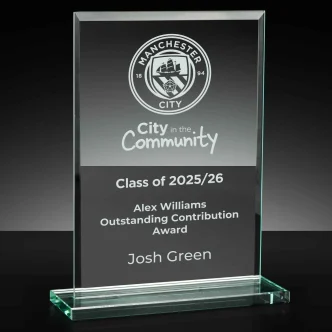
Nevertheless, recognition may be presented differently, and this presentation can greatly alter its perception. Awards that are thoughtful, personal, and memorable help to reinforce appreciation in a lasting manner. This is where glass awards come in and make a tangible impact on boosting the message and the moment.
This blog discusses how glass awards can enhance corporate recognition initiatives and generate more valuable employee experiences.
1. Elevated Perceived Value in Recognition Programs
Provided that employees get generic awards, the total worth of recognition is likely to decline. Employees might value the gesture, but it is not necessarily a lasting impression. This is where glass awards are a more sophisticated and purposeful alternative.
Glass awards have an element of permanence and quality as compared to ordinary trophies or certificates. Their transparency, density and finish are natural indicators of importance and this makes employees relate their success to something of significance. Consequently, recognition will be more deliberate as opposed to routine.
Additionally, quality materials like optical crystal or polished glass are indicators of hard work and diligence. This little fact enhances the emotional worth of the award. These awards are more likely to be displayed by employees, and the recognition is not limited to the moment, but can be seen in everyday life.
2. Strong Visual Impact In Professional Environments
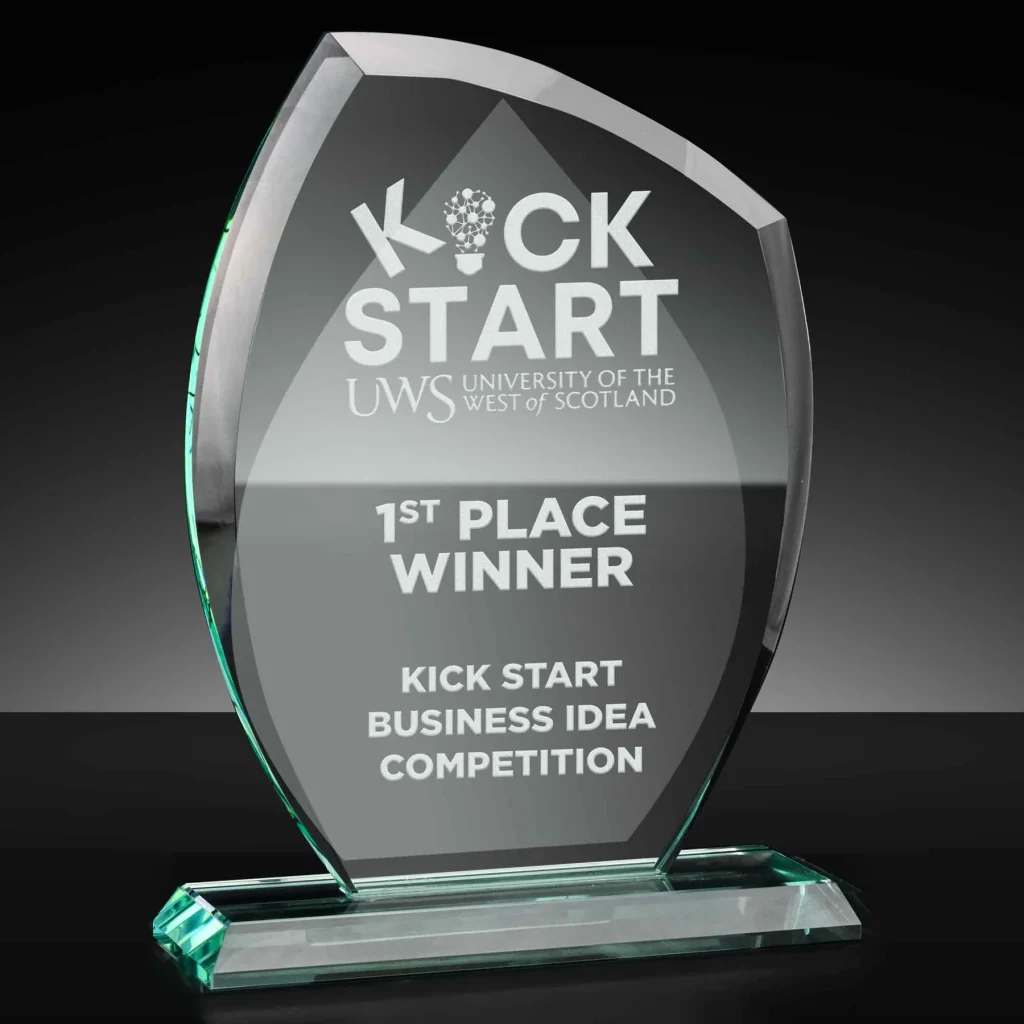
At most workplaces, recognition has a long-lasting effect on perception even after the award has been given. Awards that appear elegant and contemporary enhance the surroundings where they are placed.
The minimalist design of glass awards also fits well with the corporate environment. They serve to add a professional feel, whether they are on a desk, in an office, or even in a display cabinet. This brings a visual reminder of success that is both subtle and powerful.
Moreover, they are polished and precisely engraved to ensure that the details are not blurred with time. Compared to materials that can fade or be worn off, glass keeps its look, and this strengthens the value of recognition in the long run.
3. Personalization That Strengthens Emotional Connection
The personal approach is more effective because recognition is based on individual effort and not a routine procedure. Generic awards do not tend to reflect individual contribution. Nevertheless, custom engraving is what makes a regular award memorable.
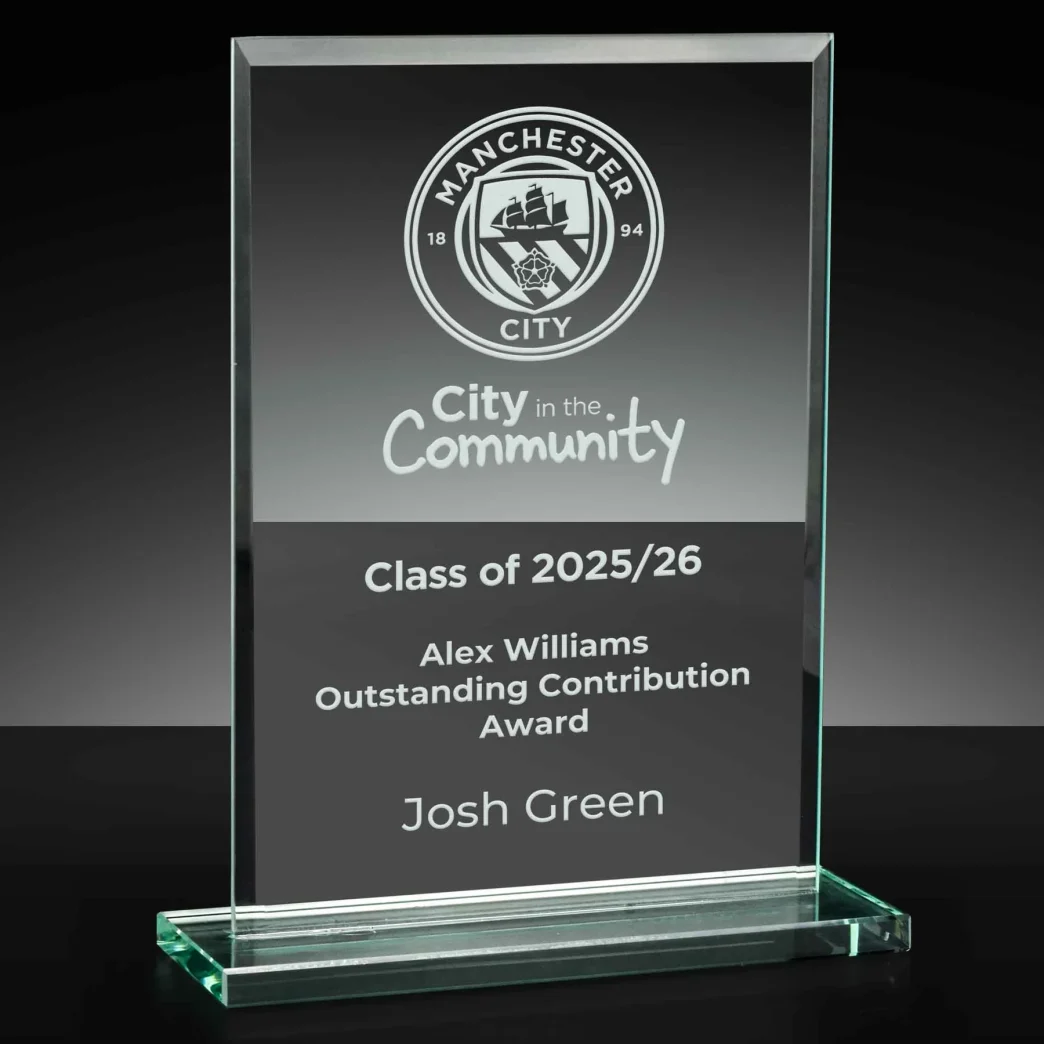
Glass awards can be personalized in great detail with names, accomplishments, dates, and even company branding. Such customization guarantees that every award indicates a particular achievement, but not a general one.
Moreover, other methods like reverse engraving are used to add depth and sophistication. This not only adds some visual appeal but also helps to strengthen the notion that the recognition has been well thought out. Consequently, employees feel truly recognized in their efforts.
4. Versatility Across Recognition Programs

Various programs demand dynamic styles, and appreciation is more efficient when it is adjusted to fit different situations. As such, award design needs to be flexible.
Glass awards have a wide variety of shapes, sizes, and styles, which makes them appropriate for various kinds of recognition. The design can be custom-made, whether performance, innovation, or team contribution is the focus.
Also, they are suitable in both formal and informal environments. Glass awards are relevant and effective not only in large corporate gatherings but also in small groups. This uniformity assists the organizations in developing a unified recognition strategy.
5. Reinforcement Of Brand Identity
All the touchpoints of an organization play a role in the way recognition is aligned with its identity. Each of these factors, such as awards, adds to the perception of employees towards the organization.
Glass awards may be designed to have logos, brand colors, and messaging, which enhances identity in moments of recognition. This consistency makes sure the awards are not out of touch with organizational values.
Moreover, consistent branding across awards creates a sense of structure and professionalism. Over time, employees begin to associate these awards with the organization’s commitment to recognizing excellence. This strengthens both internal culture and external perception.
6. Long-Term Motivation and Retention Impact
Over time, recognition plays a key role in shaping how employees perceive their growth and value within a company. The type of award given can influence how employees view their growth within the organization.
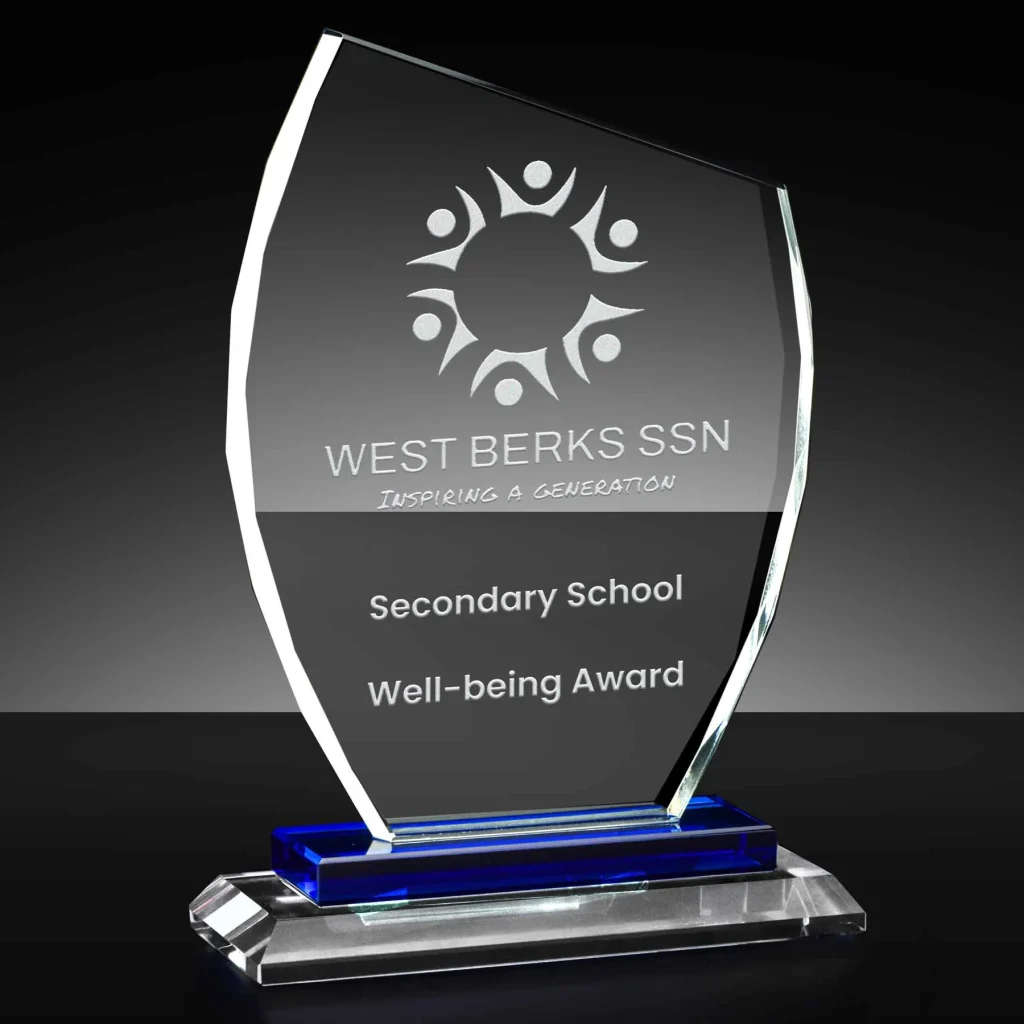
Glass awards, due to their durability and aesthetic appeal, serve as long-term reminders of accomplishment. Employees who keep these awards visible are regularly reminded of their success, which can boost confidence and motivation.
In addition, meaningful recognition contributes to job satisfaction. When employees feel valued in a tangible way, they are more likely to remain engaged and committed. Over time, this can positively impact retention and overall workplace morale.
Conclusion
Effective recognition goes beyond simple gestures and requires thoughtful execution. When awards lack meaning or presence, they fail to create lasting impact. Glass awards address this gap by combining visual appeal, personalization, and durability into one meaningful form of recognition.
They not only elevate the moment of achievement but also extend its influence through daily visibility and emotional connection. As a result, employees feel genuinely valued, which strengthens motivation and engagement over time.
By integrating glass awards into recognition programs, organizations can create experiences that resonate longer and contribute to a more positive and performance-driven workplace culture.