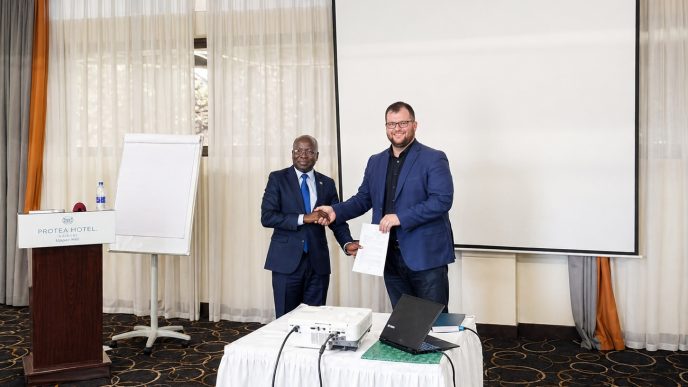
Hive Colab has launched the Mastercard Foundation EdTech Fellowship, announcing the first cohort comprising twelve (12) growth-stage EdTech ventures that are providing solutions to education challenges, including but not limited to digital learning access, teacher support, assessment tools, skills development, and learner engagement.
The Mastercard Foundation EdTech Fellowship is an entrepreneurship acceleration programme designed to support promising African-led EdTech companies. It is implemented in partnership with innovation hubs and EdTech accelerators across Africa. In Uganda, the Mastercard Foundation has partnered with Hive Colab to accelerate three (3) cohorts of EdTech ventures, twelve (12) fellows each year starting in 2026, supporting a total of thirty-six (36) solutions over five (5) years.
The Fellowship implemented by Hive Colab is designed to strengthen locally led education technology solutions by supporting growth-stage EdTech ventures through structured acceleration, ecosystem collaboration, and learning to contribute to improved access, quality, and relevance to education across Uganda.
The ventures in the first cohort include: Shule.tv, Yiya Engineering Solutions (YIYA), Maarifasasa Limited, Visual Assistance Initiative Ltd (V-SIGHT), Wokober Education Foundation Ltd, Tambula Edtech Concepts, AniScholar Career Hub, Mindset Coders (Robot Box), Hi-shule, Yaaka Digital Network, STEMGenius, and Mulmet / KAT-D App (MULMET CO. LTD).
Wariko Waita, Director of the Centre for Innovative Teaching and Learning at the Mastercard Foundation, congratulated the 2026 cohort, noting that, “By joining this fellowship, you step into a vibrant network of 236 fellows across Africa; founders, builders, and problem-solvers united in reimagining how young people learn, transition, and access opportunities.”
Beyond community, she underscored the broader ambition of the Fellowship, explaining that it is intentionally positioning locally developed and locally owned EdTech solutions for scale and long-term impact. She highlighted the importance of building sustainably, aligning innovations with national education priorities, equipping educators to integrate technology effectively, and ensuring that no learner is left behind. Emphasizing the need for collaboration, she added, “We need the collective effort of the government, entrepreneurs, investors, development partners, teachers, learners, and parents to realize results.”
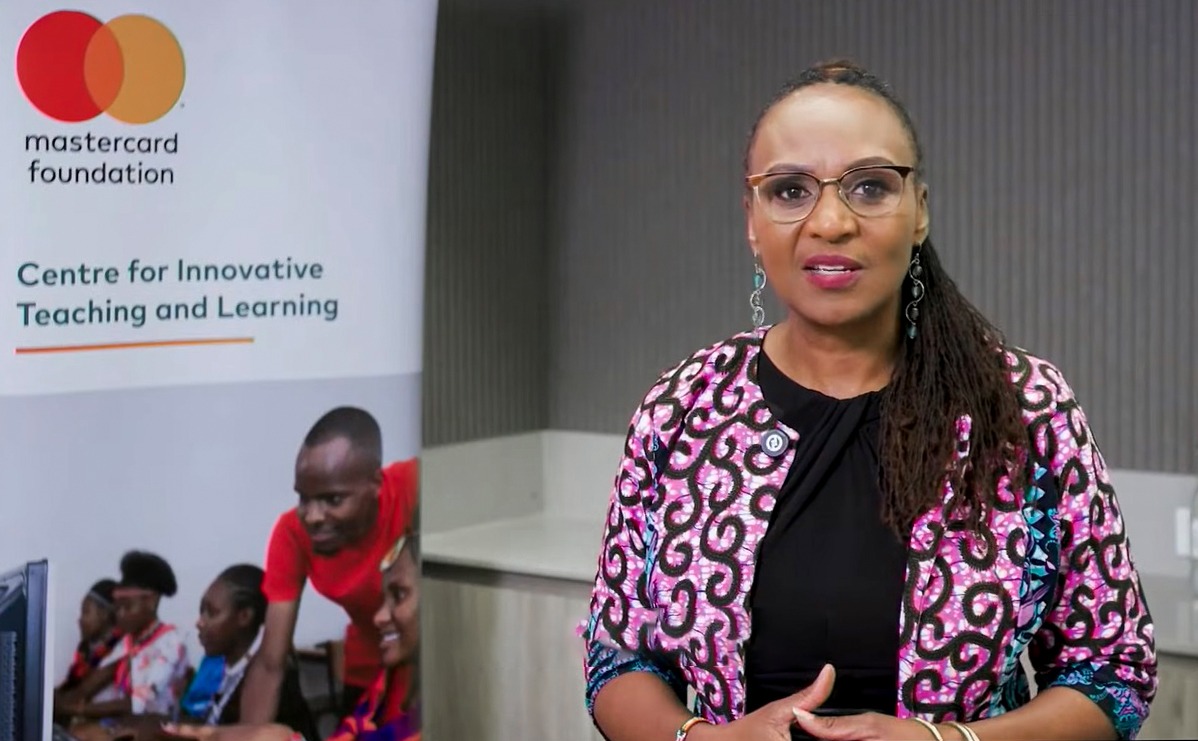
Reinforcing the role of fellows within this ecosystem, Wariko added, “You are not just building products; you are helping shape systems. You are part of a continental movement reimagining education in Africa. Once again, congratulations on your selection. We are excited for what you will gain through this fellowship and even more excited for the impact you will create.”
The 12 selected ventures will each receive tailored mentorship, technical assistance, access to networks, business & financial support, and structured learning opportunities to help refine their solutions and strengthen their impact within Uganda’s education system.
Uganda is at a pivotal moment, with a large and youthful population, a rapidly expanding digital economy, and growing demand for quality education. However, significant gaps in access, quality, and relevance remain.
“EdTech presents a powerful pathway to bridge these divides, offering scalable solutions that can reach millions of learners,” said Barbara Mutabazi, Executive Director of Hive Colab, during the launch event at Mestil Hotel & Residences in Kampala. “Through this Fellowship, we are bringing together leaders developing practical, context-aware innovations shaped by firsthand experience in classrooms and communities.”
She added, “These are not just digital products, but tools designed to improve real learning outcomes across Uganda.”
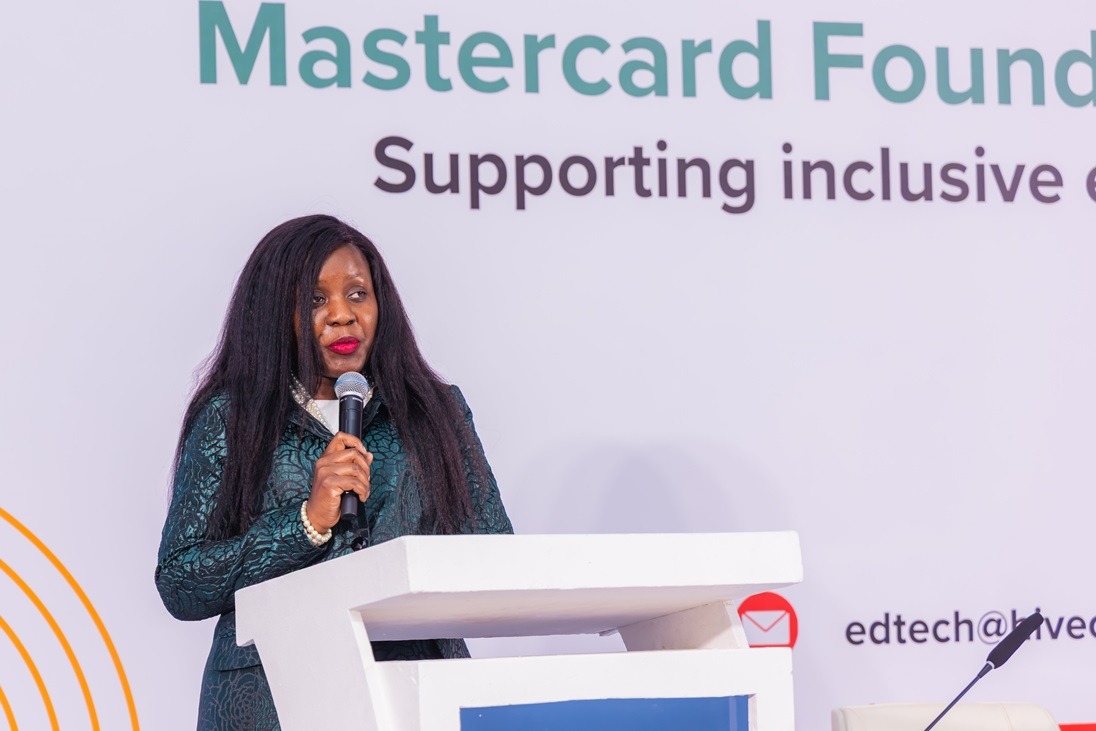
Speaking on behalf of the State Minister for Higher Education, Peter Kyozira, the Principal Education Officer for Admissions, Scholarships, and Student Affairs at the Ministry of Education and Sports described the Mastercard Foundation EdTech Fellowship as both timely and strategic. He said it provides a platform to nurture innovators, bridge the gap between ideas and classroom practice, and generate evidence to inform policy and scale what works.
He urged the fellows to build solutions that respond to real challenges within the education system, align their innovations with national priorities, and prioritize inclusivity and accessibility. He emphasized the need to focus not only on expanding access but also on improving learning outcomes and life opportunities, noting that transforming education requires collaboration across government, education institutions, the private sector, and development partners.
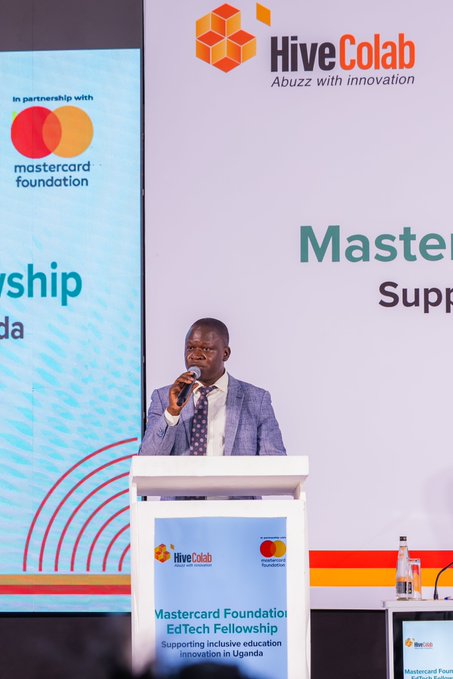
The Fellowship was later officially launched, followed by a panel discussion on innovation, national development, and strengthening collaboration within the EdTech ecosystem. Panelists from government institutions, universities, and innovation hubs discussed the role of partnerships in ensuring that technology-driven solutions complement national education priorities and policy frameworks.
The Mastercard Foundation EdTech Fellowship is structured as a multi-year program designed not only to support individual ventures but also to generate insights that can inform policy, investment, and ecosystem coordination.
Over the course of the programme, Hive Colab will document lessons emerging from the cohort and share learning products to contribute to a stronger, more connected EdTech ecosystem in Uganda.
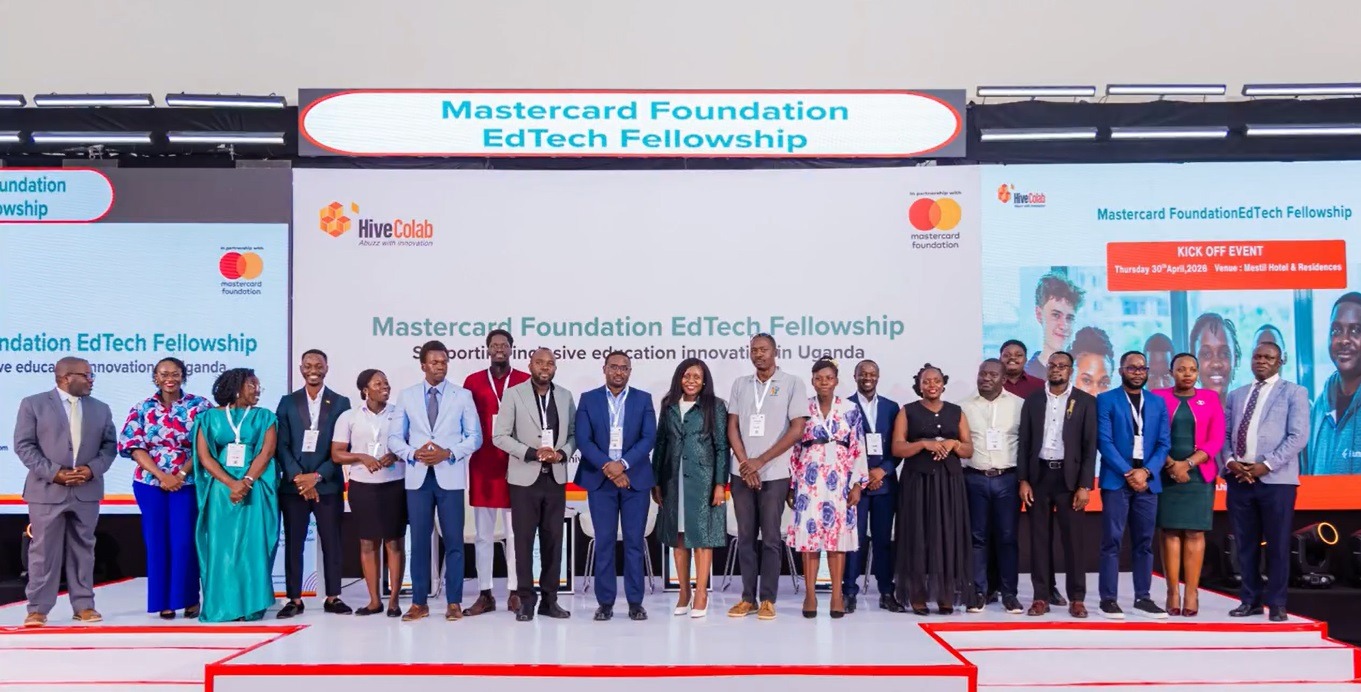
The 12 selected ventures of the first cohort
|
Venture |
Sector |
Fellow Profile |
| Shule.tv | Digital Learning & Exam Preparation | Shule.tv provides curriculum-aligned video lessons to primary and secondary school learners in Uganda through mobile apps, TV broadcasts, and online access.
It targets learners in low-income and rural communities who cannot afford private tutoring and lack structured support for national exam preparation. |
| Yiya Engineering Solutions (YIYA) | Offline & Low-Tech Education Delivery | Yiya Solutions delivers structured, skills-based education to out-of-school youth, refugees, and rural learners across Uganda and sub-Saharan Africa through radio, USSD, SMS, and AI-powered voice air learning. |
| Maarifasasa Limited | Vocational Skills & Digital Workforce Development | Maarifasasa trains underserved African learners in high-demand digital skills, including web development, data science, and workflow automation, through an integrated learn-to-earn model combining online curricula, AI tutoring, and physical learning hubs. |
| Visual Assistance Initiative Ltd (V-SIGHT) | Assistive Technology for Learners with Visual Impairment | Visual Assistance provides visually impaired learners in low-resource schools with the Blind Assistant Reading Kit, a solar-powered, portable device combining offline audio-learning software and tactile materials. |
| Wokober Education Foundation Ltd | Hands-On Science & Technology Learning | Wokober brings weekly, hands-on science and technology lessons to under-resourced Ugandan schools through structured project-based activities, low-cost learning kits, and an offline AI teacher assistant called Wokoverse. |
| Tambula Edtech Concepts | Classroom Assessment & Game-Based Learning | Tambula provides teachers in large, resource-constrained classrooms with a game-based quiz and assessment platform delivered through purpose-built offline handheld devices with no smartphones needed. |
| AniScholar Career Hub | Youth Employment Readiness & Career Development | AniScholar connects students and recent graduates in Uganda to expert coaching, career content, bootcamps, and structured internship placements through a digital platform linked to employer and university partners. It serves young people navigating the gap between completing education and entering the workforce, equipping them with both technical and soft skills the labour market demands. |
| Mindset Coders (Robot Box) | Robotics & Technology Careers for Young Learners | Mindset Coders gives Ugandan youth, especially girls and
learners in rural schools, early, practical exposure to technology through robotics competitions and RobotBox, a locally produced AI-enabled robotics kit designed for offline use. It serves schools where STEM is taught too late, too theoretically, and without the hands-on experience that builds real problem-solving ability. |
| Hi-shule | Interactive STEM Content & Teacher Support | Hi-shule delivers offline-first animated STEM lessons,
simulations, and a gamified AI quiz platform to learners in Ugandan schools that lack laboratories, reliable electricity, and trained science teachers. It focuses on making abstract science and mathematics concepts visual, engaging, and practically applicable – with a deliberate focus on girls and rural learners who are most often left behind. |
| Yaaka Digital Network | Mobile Learning & Curriculum Content | Yaaka Digital Network provides curriculum-aligned lessons, revision materials, and gamified learning content to in-school and out-of-school learners in Uganda through a mobile-first, low-data platform accessible on basic smartphones. |
| STEMGenius | Interactive STEM Learning & Robotics | STEMGenius provides learners in Ugandan schools with
an interactive platform that uses simulations, gamified lessons, and hands-on robotics to make mathematics and science visual, practical, and engaging. |
| Mulmet / KAT-D App (MULMET CO. LTD) | Early Childhood Learning & Digital Play | Mulmet provides early primary school learners in Uganda with interactive games, quizzes, flashcards, and competency-based assessments through its KAT-D platform, which is fully aligned to Uganda’s
Competency-Based Curriculum. |