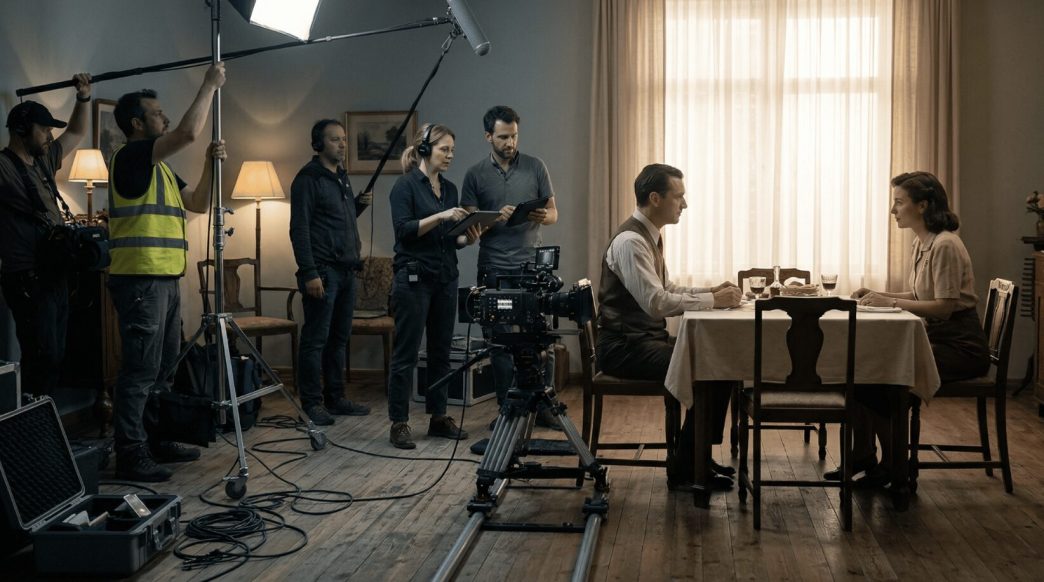
Video production has always been seen as a layered process. From scripting to shooting, editing, and final delivery, every stage requires time, coordination, and resources. For years, this approach worked well, especially for high-quality output.
But expectations have changed.
Today, creators and brands need content faster, more frequently, and across multiple platforms. That demand is pushing a shift in how videos are created. Tools like Seedance 2.0 are introducing a different way to approach video production, one that reduces complexity without compromising structure. This shift is not just about speed, but about adapting to how content is consumed today.
The Difference in Starting Points
Traditional video production begins with planning. Scripts are written, storyboards are created, locations are finalized, and teams are assembled. Every detail is mapped out before anything is produced.
Seedance 2.0 starts differently.
Instead of separating planning and execution, it allows both to happen together. A script, combined with visuals or references, can directly turn into a structured video output. This removes the gap between idea and creation. It also allows creators to respond quickly to new ideas without restarting the entire process.
This shift makes a big difference for creators who need to move quickly without losing direction.
Comparison Between Process and Output
Comparison between traditional production and Seedance 2.0 becomes clear when you look at the workflow.
Traditional production follows a step-by-step model. Each stage depends on the previous one. Filming comes after planning, editing comes after filming, and final output comes after multiple revisions.
Seedance 2.0 compresses this process.
It generates multi-shot video in a single flow, combining visuals, motion, and audio together. Instead of managing separate stages, creators get a more unified output from the start. This helps reduce delays that usually happen between production phases.
This does not eliminate creativity. It shifts where the effort goes, from execution to direction.
Time and Resource Investment
Time is one of the biggest differences between the two approaches.
Traditional video production can take days or even weeks, depending on the scale of the project. It requires equipment, crew, locations, and post-production work.
Seedance 2.0 significantly reduces that timeline.
Videos can be generated in minutes, even when they include multiple scenes and transitions. This makes it easier to produce content regularly without expanding resources. It also allows teams to handle more projects within the same timeframe.
Inside Higgsfield AI, this becomes even more practical. Creators can manage multiple projects without increasing operational complexity.
Flexibility in Creative Iteration
Making changes in traditional production is not always easy. Even small adjustments can require reshooting or re-editing, which adds time and cost.
Seedance 2.0 offers more flexibility.
Creators can adjust inputs, refine prompts, or add references to generate new variations quickly. This makes it easier to test ideas and explore different creative directions. It encourages experimentation without the usual risks associated with production changes.
For marketers and content teams, this flexibility is valuable. It allows faster decision-making without committing to a single version early in the process.
For those exploring how flexibility impacts creative output, creative workflow systems show how adaptable processes improve results.
Consistency Across Outputs
Maintaining consistency is another challenge in traditional production. Different shoots, lighting setups, or editing styles can lead to variations in the final output.
Seedance 2.0 handles this more effectively.
It maintains character consistency across scenes and ensures that visuals remain aligned throughout the video. This helps create a cohesive viewing experience without requiring manual adjustments. Consistency becomes easier to maintain even when producing multiple versions of the same content.
Higgsfield AI supports this with tools like Cinema Studio 3.0 and Motion Control, which allow creators to guide visual elements with precision.
Audio Integration
Audio is usually handled separately in traditional production. It involves recording, syncing, and editing, often as a separate stage.
Seedance 2.0 integrates audio directly into the generation process.
Dialogue, lip-sync, and ambient sound are created alongside visuals, which reduces the need for additional editing. This makes the final output feel more complete from the start. It also helps maintain timing and rhythm without extra effort.
Inside Higgsfield AI, this integration simplifies the overall workflow, keeping everything in one place.
Scalability for Modern Content Needs
Scaling video production is difficult with traditional methods. More content usually means more resources, more time, and more coordination.
Seedance 2.0 changes this dynamic.
Creators can generate multiple videos from the same concept or script without starting from scratch. This makes it easier to produce content for different platforms and audiences. It supports faster content cycles without increasing workload.
Higgsfield AI enhances this by offering additional tools like Soul 2.0 and one-click apps such as UGC Factory and Face Swap. These helps create supporting visuals that align with the main video.
This makes scaling content more manageable and efficient.
Control Without Complexity
Traditional production offers high control, but it comes with complexity. Managing every detail requires experience and coordination.
Seedance 2.0 provides control in a simpler way.
Creators can guide lighting, camera movement, and visual style without dealing with technical setups. This allows more people to create high-quality content without needing specialized skills. It opens up video creation to a wider range of users.
Higgsfield AI supports this with a collaborative workspace where teams can review and refine content together.
Conclusion
The difference between traditional video production and newer approaches is not just about speed. It is about how the entire process is structured.
Traditional methods are still valuable for large-scale productions, but they are not always practical for fast-moving content needs.
Seedance 2.0 offers an alternative that focuses on efficiency, flexibility, and consistency. It allows creators to produce structured video without going through every step of traditional production. This makes it especially useful for modern content demands.
When combined with Higgsfield AI, it creates a workflow where ideas can quickly turn into usable content.
For creators and brands adapting to modern content demands, this shift is not just helpful. It is becoming necessary.