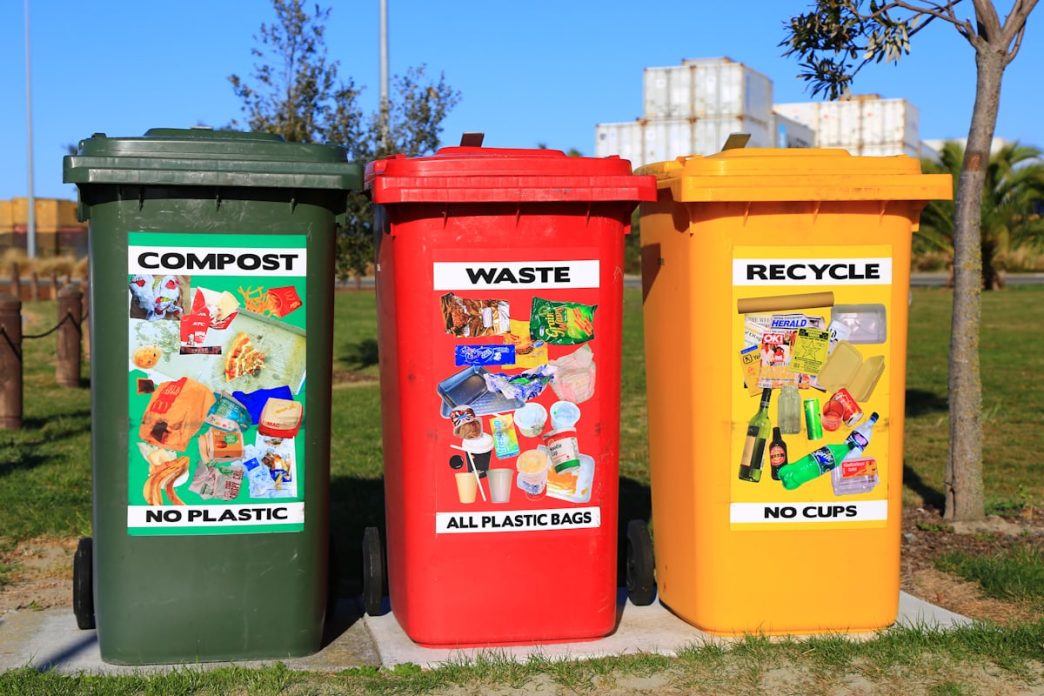
Canadians recycle millions of beverage containers each year, helping reduce waste and recover valuable materials for reuse. Although recycling is often viewed as a simple household task, it plays a much larger role in conserving natural resources, lowering energy consumption, and supporting long-term environmental sustainability.
By understanding the value of beverage container recycling, individuals can make informed choices that benefit both their communities and the environment.
Why Recycling Beverage Containers Matters
Every beverage bottle or can requires raw materials, energy, and water during manufacturing. When these containers are discarded instead of recycled, those valuable resources are lost.
Returning eligible containers through deposit return programs allows materials such as aluminum, glass, and plastic to be recovered and processed into new products. This reduces demand for newly extracted resources while minimizing landfill waste.
People commonly use the keyword “bottle depot Calgary” to find facilities that accept eligible beverage containers for recycling.
Understanding the Recycling Process
The recycling journey begins long before materials are transformed into new products.
Collection
Consumers return eligible beverage containers to designated collection locations where they are prepared for transportation.
Sorting
Containers are separated according to material type to ensure they are processed correctly. Accurate sorting improves recycling efficiency and helps maintain the quality of recovered materials.
Processing
Once sorted, containers are cleaned and processed into raw materials that manufacturers can use to create new products, reducing reliance on virgin resources.
Environmental Advantages of Bottle Recycling
Bottle recycling provides several important environmental benefits.
Reduces Landfill Waste
Every recycled container represents one less item occupying valuable landfill space. Reducing landfill volumes helps preserve land while lowering the environmental impact of waste disposal.
Conserves Natural Resources
Recycling keeps valuable materials in circulation and reduces the need to extract additional raw resources. This contributes to protecting natural habitats and ecosystems.
Saves Energy
Manufacturing products from recycled materials often requires significantly less energy than producing them from newly extracted resources. Reduced energy use also helps lower greenhouse gas emissions.
Building Better Recycling Habits
Small changes in daily routines can make recycling easier and more effective.
Keep a Separate Collection Area
Designating a specific location for beverage containers helps prevent recyclable items from being mixed with general household waste.
Empty Containers Before Storage
Removing leftover liquids helps keep storage containers cleaner and improves the recycling process.
Recycle Consistently
Returning containers regularly prevents unnecessary accumulation while ensuring recyclable materials are recovered as quickly as possible.
Recycling Benefits the Entire Community
Bottle recycling creates positive impacts that extend well beyond individual households.
Schools often organize bottle drives to support educational programs. Community organizations may collect refundable beverage containers to raise funds for local initiatives. Businesses can also reduce waste by implementing workplace recycling systems.
Residents searching for a keyword like “recycling depot Calgary” are often seeking a practical way to recycle beverage containers and contribute to broader environmental efforts.
As participation increases, communities benefit from cleaner public spaces, improved waste management, and greater environmental awareness.
Recycling Is One Part of Sustainable Living
While recycling is important, it works best alongside other environmentally responsible habits.
Choosing reusable drink containers, reducing unnecessary packaging, and purchasing recyclable products all help lower environmental impacts. When combined with regular bottle recycling, these practices help create a more sustainable lifestyle.
Even small actions performed consistently can lead to meaningful environmental improvements over time.
Looking Ahead
As recycling technology continues to improve, recovered materials will become even more valuable for manufacturing new products. Higher recycling participation also supports the continued development of efficient waste management systems that benefit future generations.
Education and community involvement remain essential for encouraging more people to recycle consistently and understand the long-term value of resource conservation.
Conclusion
Beverage container recycling is a simple yet highly effective way to reduce waste, conserve natural resources, and protect the environment. Every returned bottle or can supports a recycling system that keeps valuable materials in circulation and reduces the need for new raw resources.
By making recycling a regular habit at home, at work, and within the community, Canadians can contribute to cleaner neighbourhoods and a more sustainable future—one beverage container at a time.