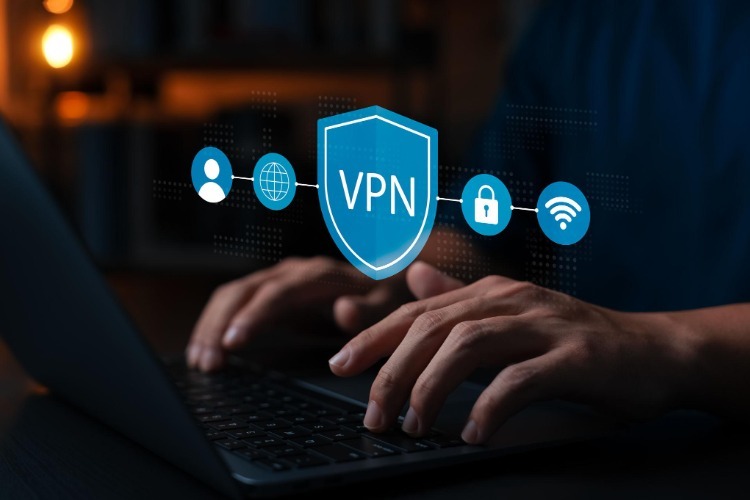
Online privacy has become a growing concern for people who work, shop, study, and communicate through the internet. Every day, websites, advertisers, and cybercriminals collect or target personal information. Public Wi-Fi networks, weak encryption, and online tracking add even more risks. Choosing a reliable virtual private network (VPN) is one of the most effective ways to improve your online privacy and secure your internet connection. However, with hundreds of VPN providers on the market, selecting the right one requires more than comparing prices.
Many experts regularly evaluate VPN services based on speed, security, privacy, and overall performance. Cybernews publishes detailed reviews and comparisons that help users understand the strengths and weaknesses of leading providers. If you want to compare NordVPN and Surfshark, a side-by-side comparison explains how each service performs across important categories such as security features, server networks, streaming support, and pricing.
Look for a Strict No-Logs Policy
A VPN routes your internet traffic through encrypted servers, but privacy depends on how the provider handles your data. A trustworthy VPN should have a verified no-logs policy, meaning it does not store records of your browsing activity, connection timestamps, or IP addresses.
Independent security audits provide additional confidence because third-party experts verify whether the provider follows its privacy promises. Reading audit reports and privacy policies helps you understand exactly what information is collected.
Strong Encryption Is Essential
The best VPNs use modern encryption standards to keep your online activity private. AES-256 encryption remains the industry standard because it provides strong protection against unauthorized access.
You should also check which VPN protocols are available. Popular options include:
- WireGuard for excellent speed and security.
- OpenVPN for reliability and compatibility.
- IKEv2 for stable mobile connections.
A quality VPN allows you to switch between protocols depending on your needs.
Evaluate Security Features
Encryption alone is not enough. Premium VPNs include additional security tools that strengthen your protection.
Important features include:
- Kill switch that disconnects your internet if the VPN connection drops.
- DNS leak protection to prevent information from escaping outside the encrypted tunnel.
- Multi-factor authentication for account security.
- Malware and phishing protection.
- Split tunneling for selecting which apps use the VPN.
These features improve both privacy and convenience during daily internet use.
Consider Server Coverage and Performance
A large server network gives you more connection options and reduces congestion. Servers located in multiple countries also improve access when traveling internationally.
Performance matters because a VPN encrypts all internet traffic. Fast providers minimize speed loss, allowing smooth streaming, video conferencing, gaming, and large file downloads.
Independent testing is useful because advertised speeds rarely reflect real-world performance.
Check Device Compatibility
Most people use several connected devices throughout the day. Your VPN should support:
- Windows
- macOS
- Android
- iPhone and iPad
- Linux
- Smart TVs
- Routers
- Browser extensions
Many premium providers also allow multiple simultaneous connections under one subscription, making them suitable for families or small teams.
Transparency Builds Trust
Reliable VPN companies clearly explain:
- Where they are headquartered.
- How they handle user data.
- Whether they have completed independent audits.
- How users can contact customer support.
Transparency reduces uncertainty and helps users make informed decisions before purchasing a subscription.
Compare Pricing Carefully
The cheapest VPN is not always the best value. Compare subscription plans alongside available features.
Consider:
- Money-back guarantees.
- Number of supported devices.
- Included security tools.
- Customer support availability.
- Renewal pricing after promotional discounts.
Long-term subscriptions often reduce monthly costs, but users should always understand renewal terms before committing.
You can also review the Federal Trade Commission’s online privacy recommendations for tips on protecting personal information while browsing, shopping, and using online services.
Read Independent Security Guidance
Before choosing any cybersecurity product, it helps to understand common online threats and recommended security practices. Online privacy monitoring can help you identify potential risks before they become serious issues.
These educational resources provide useful context that complements VPN research and encourages safer digital habits.
Final Thoughts
Choosing the right VPN involves much more than selecting a recognizable brand. A dependable service should combine strong encryption, an independently verified no-logs policy, reliable performance, extensive server coverage, and practical security features that protect your everyday online activities.
Taking time to compare providers and understand their privacy practices helps you select a VPN that fits your needs instead of relying on marketing claims alone. With careful research and a focus on verified security features, you can improve your online privacy while enjoying a safer and more secure internet experience.