
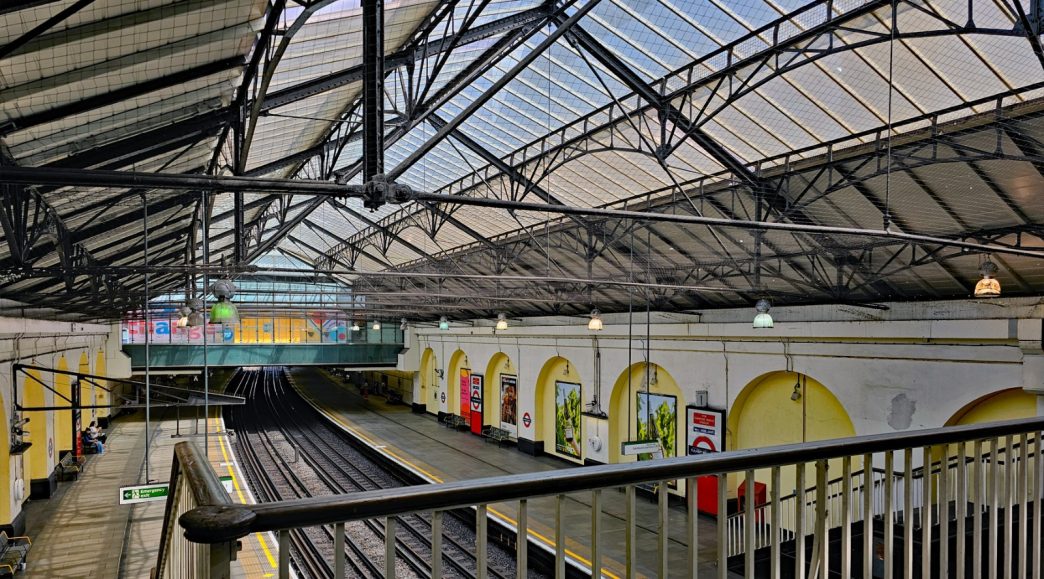
The matchday experience at Stamford Bridge is defined by its intimate, high-octane atmosphere and unique urban setting within the affluent West London borough of Hammersmith and Fulham. Operating with an official seating capacity of 40,173, Chelsea Football Club plays its home fixtures inside a tightly constrained architectural footprint. Unlike suburban stadiums encircled by expansive car parks, Stamford Bridge is bound closely by active railway lines, commercial properties, and residential avenues. This spatial density creates an extraordinary pre-match buzz, but it also presents severe operational challenges for Transport for London (TfL), local police forces, and stadium safety advisory groups when over forty thousand spectators attempt to ingress and egress simultaneously. Fulham Broadway Underground Station, located merely two hundred metres from Britannia Gate on Fulham Road, serves as the primary transit artery for the vast majority of matchgoers. Following the final whistle, this localized transport node transforms into a massive bottleneck, with police pedestrian cordons routinely holding fans on the street for up to forty-five minutes to manage platform crowding. For local season ticket holders, visiting supporters, and international sports tourists arriving in SW6, navigating this complex transit grid requires a proactive, highly informed strategy. Understanding the mechanics of local Tube operations, alternative pedestrian escape routes, mobile ticketing protocols, and pre-match pub geography is essential for executing a stress-free matchday plan.
Stadium Architecture, Gate Access, and Stand Infrastructure
Stamford Bridge features an asymmetrical bowl design with four steeply raked grandstands, each catering to a distinct supporter demographic. The Matthew Harding Stand, situated at the northern end of the stadium, holds 10,880 spectators and functions as the undisputed epicenter of Chelsea’s vocal support. The lower tier of this stand incorporates a dedicated safe-standing rail seating installation across Blocks L08 to L16, generating continuous acoustic momentum throughout ninety minutes. Running along the eastern touchline is the East Stand, accommodating 11,000 fans across three tiers. The East Stand lower tier, specifically Rows 10 to 25, houses the official family-friendly enclosure, where stewards strictly enforce a family-oriented environment suitable for junior supporters. Opposite the East Stand sits the West Stand, with a capacity of 13,500, serving as the main hub for executive suites, directors’ seating, and luxury matchday hospitality. The Shed End occupies the southern boundary of the stadium bowl with 6,400 seats, split between home supporters and the visiting away allocation.
For standard Premier League fixtures, visiting fans are housed in the right-hand side of the Shed End, occupying Blocks SL1 to SL3 in the lower tier and Blocks SU1 to SU3 in the upper tier, which amounts to exactly three thousand seats. This away section features safe-standing barriers in the lower tier to facilitate fluid, safe spectator movement. Crucially, access to these stands is governed by three primary perimeter gates along Fulham Road: Stamford Gate, Britannia Gate, and Bovril Gate. Visiting supporters holding chelsea away tickets are specifically directed to approach via Bovril Gate to reach their dedicated turnstiles in the Shed End, effectively isolating away crowd movement from home fans entering Britannia Gate. Understanding these distinct gate designations avoids unnecessary perimeter loops and ensures fans reach their turnstiles efficiently before the pre-match rush.
Primary Distribution Constraints and Official Membership Hurdles
Acquiring admission to Stamford Bridge directly through primary box office channels presents a substantial administrative hurdle for casual fans and international travellers. Elite clubs in the Premier League no longer offer general public sales for top-flight fixtures through open box office windows. Instead, obtaining official chelsea fc tickets through primary channels requires supporters to hold an active, paid annual club membership. This subscription is merely a prerequisite to register for randomized digital lotteries and does not guarantee access to a seat. For high-profile London derbies and Category A fixtures, these membership ballots are heavily oversubscribed, with success rates frequently plummeting below ten percent.
The primary distribution system is further restricted by internal loyalty point requirements. The club prioritises applicants who have built up a proven history of attending low-profile domestic cup ties and midweek fixtures over multiple seasons. Consequently, casual spectators hoping to secure standard chelsea football tickets directly from the club face severe structural barriers. Furthermore, under Section 166 of the Criminal Justice and Public Order Act 1994, the unauthorized resale of football passes is a strict criminal offence in the United Kingdom. Traditional street-level ticket touting outside Fulham Broadway Station is completely illegal, and any passes purchased from street brokers will be instantly confiscated by stadium compliance officers, leaving buyers empty-handed and legally exposed. This extreme primary scarcity forces modern supporters to evaluate alternative, authenticated procurement avenues well before embarking on travel to West London.
Secondary Marketplace Access and Escrow Protections
When primary membership lotteries result in rejections and the internal club exchange is fully exhausted, utilizing an established third-party secondary exchange represents the most secure alternative. The intense global demand for Chelsea fixtures makes the unregulated secondary space a frequent target for online fraud syndicates. Unverified social media forums, public message boards, and peer-to-peer messaging networks are prevalent hubs where bad actors distribute duplicated barcodes or fake access links. To protect your financial investment and guarantee entry without holding domestic loyalty points, supporters must rely exclusively on specialized platforms operating with automated buyer escrow protections.
This marketplace architecture secures the transaction by holding the buyer’s payment in a protected independent account until the matchday has successfully concluded and the digital pass has scanned through the turnstile sensors. For fans seeking guaranteed access, browsing authenticated secondary options at chelsea-tickets provides a transparent, fully verified route to securing matchday passes. Whether you are searching for affordable seats in the upper tiers, looking for premium hospitality in the West Stand, or scanning verified chelsea tickets for sale from genuine season pass holders who cannot attend, relying on a regulated escrow platform provides total consumer assurance. Securing your chelsea game tickets through these authorized digital channels eliminates the risks associated with direct bank transfers to unverified individuals, ensuring your investment yields valid admission at the gates.
Digital Turnstiles, NFC Mobile Wallet Protocols, and Campus Rules
Entering Stamford Bridge relies entirely on precise mobile application configuration and synchronized Near Field Communication (NFC) protocols. The stadium perimeter operates on a 100% digital ticketing system; traditional paper stubs, printed PDF confirmations, and physical membership cards have been permanently decommissioned. Once a transfer is completed, the live ticket pass must be integrated directly into Apple Wallet or Google Wallet on a compatible smartphone. The electronic gate sensors execute real-time cryptographic checks, automatically flagging static screenshots, photographic copies, or video recordings as invalid tokens. General admission turnstiles open precisely at T-120 minutes for weekend afternoon kick-offs and T-90 minutes for evening fixtures, with early-bird pricing on concourses incentivizing early entry to reduce gate congestion.
Alongside digital ticketing protocols, Chelsea FC enforces a zero-tolerance bag policy. Personal bags are strictly limited to an A4 dimension of one hundred by two hundred by three hundred millimetres. Stamford Bridge offers absolutely zero general bag storage or left-luggage facilities on site due to municipal public safety mandates. Supporters travelling directly from Heathrow Airport or national rail stations with standard luggage must utilize commercial left-luggage services, such as Stasher or Bounce locations near Earls Court or Victoria Station, prior to entering the Fulham Road security perimeters. Furthermore, the entire stadium campus functions on a 100% cashless basis, mandating contactless debit cards, credit cards, or mobile payment systems like Apple Pay for all internal concourse catering and merchandise purchases. Ensuring you hold valid chelsea match tickets and a fully charged smartphone hardware device guarantees a seamless transition through the outer security rings.
Fulham Broadway Tube Logistics and Alternative Transit Corridors
The spatial bottleneck at Fulham Broadway Station represents the primary transit challenge of any visit to Stamford Bridge. Situated on the District Line, the station is directly adjacent to the stadium entrance, making it the default destination for tens of thousands of matchgoers. Prior to kick-off, inbound passenger flow is managed efficiently as fans arrive over a three-hour window. However, immediately following the final whistle, over forty thousand spectators flood out of Stamford Gate and Britannia Gate onto Fulham Road simultaneously. Transport for London and Metropolitan Police officers immediately implement strict pedestrian crowd-control cordons, restricting physical access to Fulham Broadway Station to prevent hazardous platform overcrowding. Wait times in these street-level queuing pens routinely exceed forty-five minutes, leaving spectators standing in dense, slow-moving crowds.
To bypass these severe post-match delays, experienced matchgoers utilize strategic secondary transit corridors located outside the immediate police cordons. The most effective escape route is undertaking a brisk twenty-minute walk north along North End Road or Finborough Road to Earls Court Station. Earls Court sits at the junction of both the District and Piccadilly Lines, offering wide platforms, frequent train services, and direct, unhindered connections to Central London or Heathrow Airport without enduring street queues. Alternatively, West Brompton Station and Imperial Wharf Station, both located a fifteen-minute walk from the stadium footprint, provide access to the London Overground network, facilitating effortless north-south travel across Greater London. By walking to these secondary rail nodes, supporters holding chelsea tickets can board outbound trains far faster than those waiting in the Fulham Broadway pens. For travellers planning their journey well in advance, securing valid chelsea tickets early allows for seamless integration into these local transport strategies.
Verified Matchday Fan Hubs and Local Pub Culture
Immersing yourself in the pre-match public house culture is an essential component of the matchday ritual in West London. However, due to strict crowd segregation guidelines enforced by local safety advisory groups, pub selection must be planned carefully based on team allegiance and seating allocations. Venues situated directly along Fulham Road operate a strict home-fans-only policy, with security staff checking digital tickets at the door prior to granting entry.
The Butcher’s Hook, situated at 477 Fulham Road directly opposite the stadium, is a historic establishment where Chelsea FC was officially founded in 1877. On matchdays, it serves as an exclusive, high-energy hub for home supporters, offering upscale pub food, craft ales, and an environment steeped in club heritage. Another famed home fan staple is The Chelsea Pensioner, located at 358 Fulham Road just a six-minute walk from the gates. Known for its intense pre-match singing, heavy club branding, pool tables, and vibrant outdoor beer garden, this venue fills to capacity hours before kick-off, providing an authentic local atmosphere.
For visiting away supporters or neutral groundhoppers seeking a safe, welcoming venue before heading to the Shed End, The Blackbird at 209 Earls Court Road represents the premier strategic choice. Located a twenty-five-minute walk from the stadium near Earls Court Station, this award-winning Fuller’s pub welcomes visiting fans, serves exceptional traditional pub fare, and allows away supporters to enjoy pre-match refreshments safely before walking down to Bovril Gate. Another excellent alternative near Earls Court is the Courtfield Tavern at 187 Earls Court Road, offering a spacious multi-room layout and easy post-match access to the Piccadilly Line.
Conclusion and Final Matchday Strategy
Executing a successful matchday visit to Stamford Bridge in 2026 demands strategic preparation, technical readiness, and a clear understanding of West London’s transit infrastructure. Adapting to the completely paperless, cashless stadium environment and ensuring your mobile device is fully updated with a live NFC wallet pass are the most critical steps to avoiding gate delays. Sourcing your seating through protected, escrow-backed secondary exchanges eliminates the severe financial risks of counterfeit passes, ensuring that your buy chelsea tickets investment translates directly into verified stadium admission. By arranging luggage storage at central transport hubs like Earls Court or Victoria, choosing the right pre-match pub based on your fan allegiance, and utilising secondary walking routes to bypass the post-match crowd congestion at Fulham Broadway Station, you can enjoy a seamless, stress-free footballing experience inside one of England’s most historic arenas.