Portable power stations give small homes backup energy without noisy generators or complex wiring. They keep phones, laptops, routers, mini-fridges, and medical devices running during outages or off‑grid trips. Small spaces need tidy, safe setups that don’t create clutter or block walking paths. Good planning turns a single battery unit into a flexible power hub for work, entertainment, and emergencies. This guide shares setup ideas for apartments, tiny homes, studios, and compact living rooms. You’ll also learn what to look for when buying a power station, including size, safety, noise level, and ports that match your devices.
Smart Portable Power Station Setup Ideas for Small Living Spaces
Compact Power Station Setups for Apartments and Condos
Apartment and condo residents benefit from a “central power corner” that stays ready yet out of the way. Place the portable power station on a sturdy shelf, side table, or metal cart near a wall outlet so you can keep it topped up. Use short, labeled cables and a narrow cable tray to reduce clutter. Keep the unit away from heaters, curtains, and high‑traffic areas. Store essential devices nearby: phone chargers, a laptop dock, a small desk lamp, and a Wi‑Fi router or hotspot. During an outage, you only move a few plugs to your power station, which reduces stress and confusion.
Space-Saving Power Solutions for Tiny Homes and Studios
Tiny homes and studios need multi‑purpose furniture and hidden storage. Mount a shallow shelf or wall bracket near your main seating area and place the power station there, leaving ventilation gaps around it. Use a storage ottoman or bench with a rear cut‑out for cables; the unit can sit behind or beside it, while cords feed inside to power laptops and lights. In lofted spaces, keep the power station downstairs to avoid lifting heavy weight up ladders. Add adhesive hooks and Velcro straps along the wall to manage cables. Label which outlets power the fridge, fan, and router so you can ration energy easily.
Portable Backup Power Ideas for Bedrooms and Living Rooms
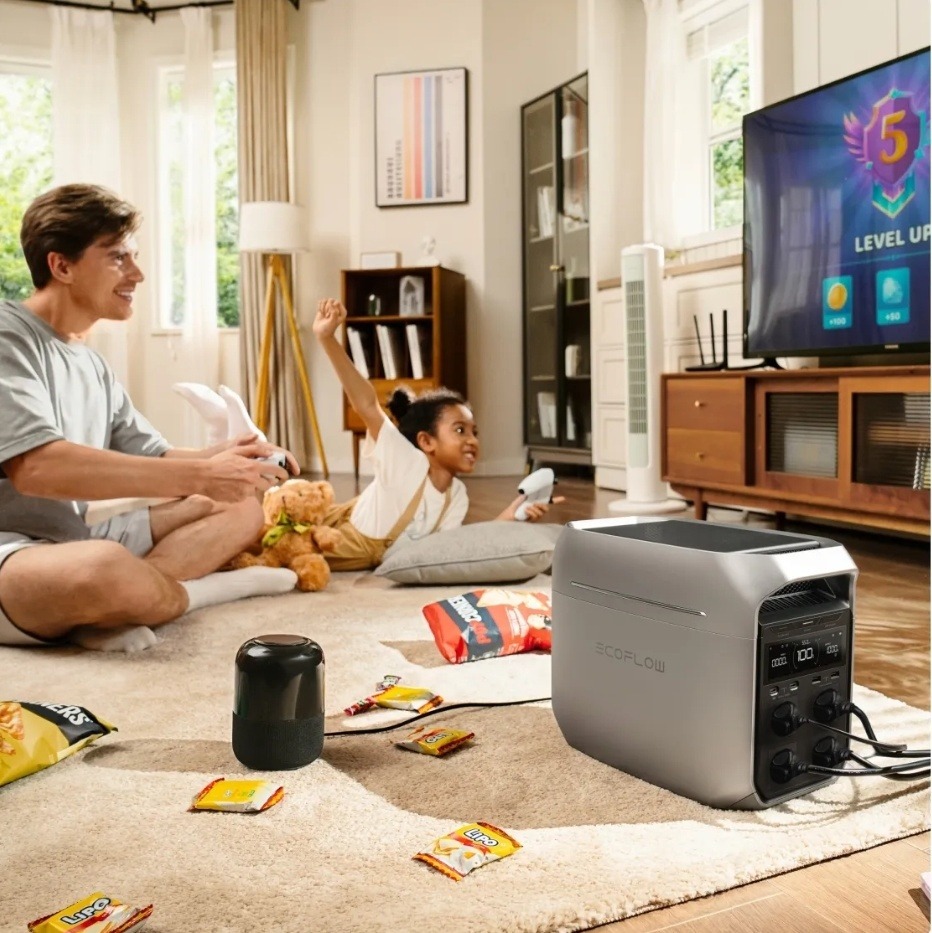
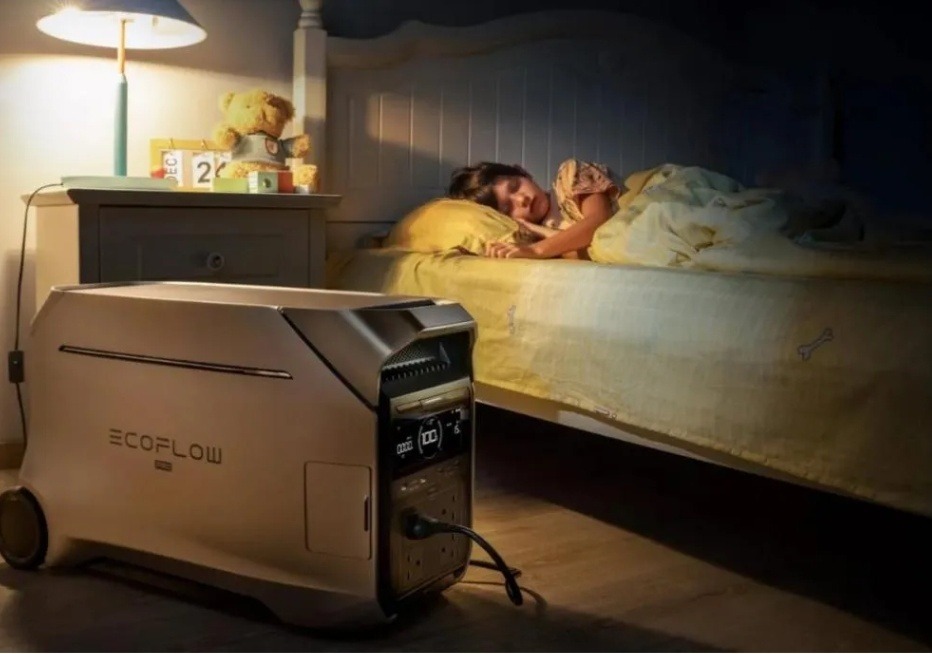
Bedrooms and living rooms benefit from quiet, discreet backup power. Place the portable power station beside a nightstand or media console where you already plug in devices. Use it to power bedside lamps, phone chargers, CPAP machines, or a small TV. Choose a low‑profile unit that fits between furniture and the wall, then route cables through an under‑rug cord cover to keep floors clear. During storms, pre‑charge phones and move essential chargers to the power station. Keep a small flashlight, power bank, and extension cord next to it. This way, you maintain light, communication, and comfort without tripping over messy cables.
How to Choose the Right Portable Power Station for Small Spaces?
Lightweight Designs and Compact Battery Capacity Options
Small spaces usually benefit from a lighter, mid‑capacity power station rather than a huge unit. Check the weight first; aim for something you can safely lift with one hand if you live in a walk‑up or move it between rooms. Capacity around 300–700Wh suits phones, laptops, routers, and LED lights. Larger 1000–1500Wh models can handle mini‑fridges and more devices but need more storage space. Look for models with built‑in handles or pull‑out trolleys to simplify moving. Compare size dimensions to your shelves, cabinets, or under‑desk area. A compact, right‑sized battery is easier to store, charge often, and use flexibly around your home.
Quiet Operation and Safe Indoor Placement Tips
Not all power stations run silently; fans can make noise during charging or high loads. Check the decibel rating and user reviews for fan noise, especially if you’ll keep it in a bedroom or studio. For safe indoor use, choose reputable brands with clear certifications, battery management systems, and overheat protection. Place the unit on a hard, flat surface with space for airflow on all sides. Avoid closets, under bedding, or direct sunlight. Keep drinks and plants away from the top surface. Unplug high‑draw appliances when the unit feels hot. Regularly inspect cables for damage so you avoid sparks, overheating, or tripping hazards.
Multiple Output Ports and Smart Charging Features to Consider
Small spaces need fewer power strips, not more. Choose a portable power station with a good mix of AC outlets, USB‑A, USB‑C, and possibly a DC car port. Fast USB‑C PD ports can charge laptops directly, saving space and reducing bulky adapters. Look for pass‑through charging so the unit can power devices while it charges from the wall. An informative display that shows remaining runtime and input/output wattage helps you manage loads during outages. Some models offer app control, allowing you to check battery levels from bed or the sofa. Prioritize surge protection, pure sine wave AC, and clearly labeled ports for easy daily use.
Conclusion
Portable power stations fit naturally into small homes when you plan simple, tidy setups. Apartments and condos work well with a central power corner. Tiny homes and studios benefit from wall mounts, multi‑purpose furniture, and careful cable management. Bedrooms and living rooms need quiet, accessible units that stay ready for outages. When choosing a model, balance lightweight design with enough capacity for your essentials, and check noise, safety features, and port selection. With a smart setup, one compact power station can support work, comfort, and emergency readiness without taking over your limited living space.