
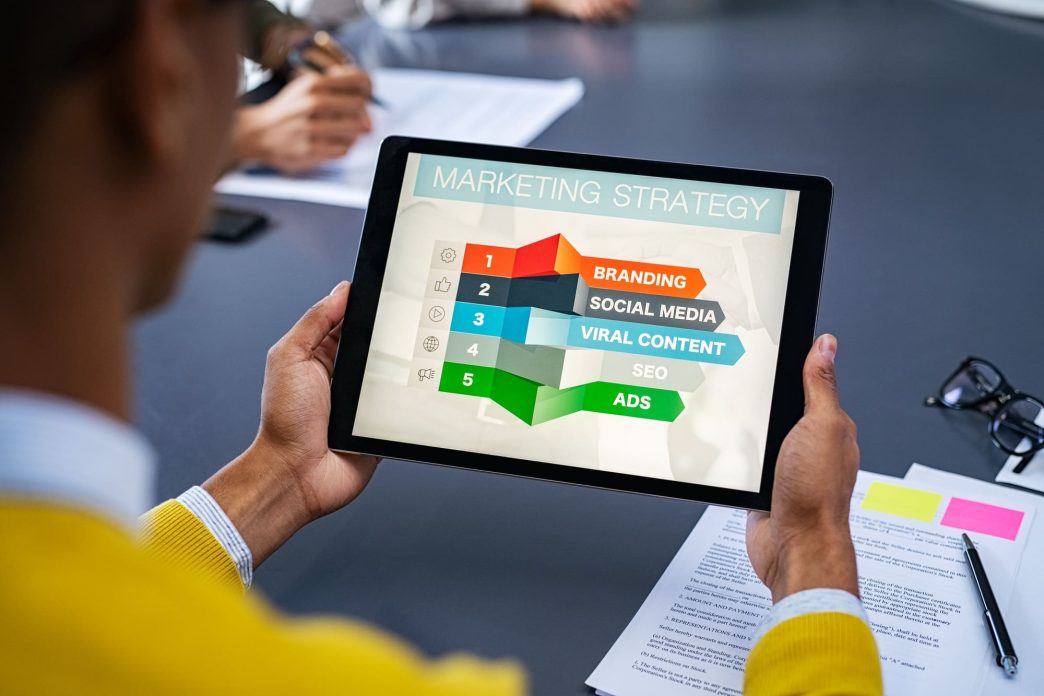
Nobody builds a business hoping to stay invisible. And yet — that’s exactly what happens to a lot of genuinely good companies. Solid product. Decent service. Real value for customers.
That’s the specific problem a full-service Digital Marketing Agency is built to solve. Not just one channel or one deliverable — but the whole system, working together toward something coherent.
What Actually Changed About Marketing
Before a typical customer contacts a business today, they’ve probably found you through search, skimmed your website, looked up reviews, glanced at your social profiles, maybe seen a retargeted ad, and possibly subscribed to an email or two.
The Creativity-Strategy Split Is a False Choice
There’s a version of this conversation that never quite goes away in marketing circles. On the other, the performance marketers who live in dashboards and talk about cost-per-acquisition. Both groups occasionally act like the other one is wasting money.
It’s a pretty unproductive argument, and the data doesn’t really support either extreme. Creative quality drives roughly half of the measurable sales impact from advertising, according to Nielsen research — which means even technically flawless campaign execution with weak creative underperforms significantly. But plenty of beautiful creative work has been wasted by poor targeting, wrong channels, or no real strategy behind the placement.
The agencies that consistently produce strong results treat this as a non-debate. Creative and strategy aren’t competing priorities — they’re the same conversation. A good creative agency asks strategic questions before picking up a design tool. A good digital team understands that the asset matters as much as the algorithm.
What “Full Service” Actually Covers
Brand identity and positioning
Agencies that do this well don’t just design pretty marks; they help you figure out what your brand stands for and who it’s actually talking to.
Website design and user experience
Your site is doing more work than most business owners realize. It’s validating first impressions, answering questions before they’re asked, and either building confidence or quietly eroding it. A site that loads slowly, looks dated, or makes people dig around for basic information is costing you conversions every single day — often in ways that never show up directly in your analytics.
Content that earns attention
Why Dallas Businesses Face a Specific Kind of Pressure
Dallas-Fort Worth isn’t the same market it was five years ago. The growth has been real and fast — new residents, new businesses, new competition entering sectors that used to be pretty comfortable for established local players. What worked for a Dallas business in 2018 in terms of marketing spend and strategy often isn’t enough now.
The consumer base here is sophisticated. DFW residents are used to being marketed to at a high level. Generic national templates — the kind of campaigns that an out-of-market agency drops in without local context — tend to feel exactly like what they are: generic. They don’t land.
A digital marketing agency Dallas team brings something harder to replicate: genuine familiarity with this market. Which platforms are over-indexed in DFW. Which local competitors are spending and where. What the seasonal patterns look like in your category here specifically. How to position a Texas-based brand in a way that feels locally rooted without limiting national appeal.
There’s also a simpler practical argument: when something’s not working, being in the same time zone — or better, the same city — genuinely changes how fast problems get solved. The Zoom call is fine. The in-person conversation when a campaign has gone sideways is better.
The Channels Worth Owning Right Now
Every agency will sell you on every channel. That’s just how it works. But realistically, no business has unlimited budget or attention, and trying to be everywhere at once usually means being mediocre everywhere. Here’s an honest look at what’s actually driving results for most businesses right now:
Someone searching for what you offer is already most of the way to a decision. SEO captures that intent for free, over time — and those rankings compound. Paid search captures it immediately but stops the moment you stop paying. Smart businesses invest in both, understanding that they serve different timeframes and budget profiles.
Honest Signs You’ve Hit the Ceiling on DIY Marketing
Most businesses start handling marketing internally out of necessity, and that makes sense. But there’s usually a point where the internal approach stops scaling — and it’s not always obvious when that moment has arrived. A few reliable indicators:
- Your brand looks noticeably different across your website, social, and printed materials
- You’re running ads but genuinely can’t explain what’s working or why
- Campaigns take weeks to get out the door because nobody owns the full process
- You’re measuring impressions and followers instead of revenue and leads
- Your competitors are showing up in places where your customers are, and you aren’t
- There’s no clear connection between what you’re spending on marketing and what you’re getting back
- Your marketing team is reactive — always responding, never proactively building toward anything
If four or five of those feel familiar, it’s worth having an honest conversation with a serious agency. Not as an admission that something’s failed — but as a recognition that you’ve grown past what the current setup was designed to handle.
What to Actually Look For When Evaluating Agencies
The pitch is not the agency. I can’t stress this enough. The presentation you see, the case studies they selected, the senior people in the room — none of that is what you’re actually buying.
Do they push back on your assumptions? An agency that agrees with everything you say in discovery isn’t doing strategy — they’re doing client management.
Look at their work critically. Does it differentiate their clients, or does every project look like a slightly better version of the industry average?
Who is actually doing the work? There’s a common agency model where senior people win the business and junior people execute it with minimal oversight.
A full-service Digital Marketing Agency brings those pieces together. Not because integration is inherently superior, but because most growth problems aren’t isolated to a single channel — they live in the gaps between channels, in the inconsistency between touchpoints, in the slow accumulation of small disconnections that add up to a brand customers don’t quite trust.
If that sounds like something you’re dealing with, it’s probably time to have a real conversation about what a serious agency partnership looks like — and what it could actually do for your business.