
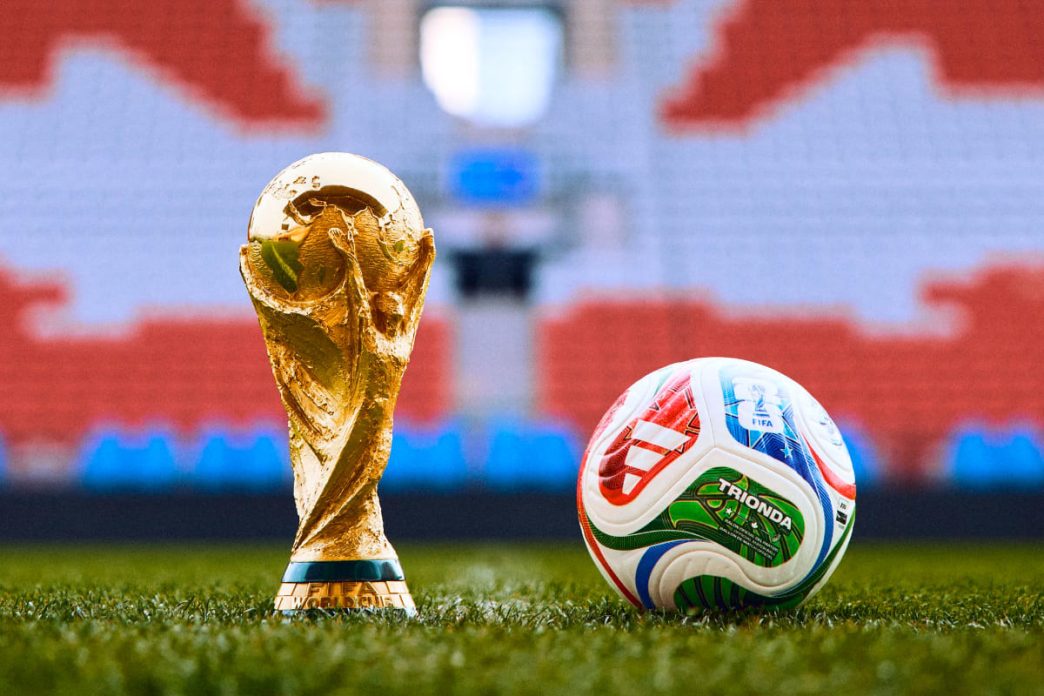
The 2026 FIFA World Cup is just around the corner, and massive investments in stadia across North America have been made in order to modernize a number of host venues ahead of soccer’s biggest tournament. Toronto’s BMO Field is one such example, and expanding to accommodate 45,000 fans rather than 30,000 for the duration of the event, with almost $160 million spent to bring it up to scratch.
Such a thorough overhaul of a long-established football hub is welcome and should pay dividends even after the whistle blows on the World Cup final. However, there are still questions about whether the cash has been spent wisely, and a degree of skepticism about the temporary aspects. Let’s talk through what’s troubling fans and commentators, and what needs to happen to allay their fears.
Addressing Short-Term Capacity Concerns
Hitting the new 45,000 capacity isn’t a permanent change for BMO Field (or, as it will be called during the World Cup, Toronto Stadium). Two sets of additional seating, accommodating 10,000 and 7,000 spectators, respectively, have sprung up on scaffolding and are served by new stairways, again as features that will eventually be dismantled.
Aside from being a minor eyesore, venue decision-makers need to reassure fans that these temporary structures are stable enough to withstand the weight and movement of thousands of excitable football fans.
Spokespeople have already described the setup as world-class, but the next stage beyond confirming safety is to give fans confidence that the experience will feel suitably premium. That means optimizing on-site amenities so that people seated in the extended stands have the same access to things like washrooms and food as those in permanent parts of the stadium.
Views of the pitch and the four new screens must also meet or exceed fan expectations. Given that people now expect an all-encompassing experience at modern stadia, enabling them to enjoy the action in person, make the most of an array of sports bet choices while they’re in the stands via their smartphones, and have plenty of choice for refreshments, it’s a tall order.
Avoiding Transport Chaos
Adding thousands of extra seats at BMO Field might allow more people to watch the World Cup, but it raises questions about how to cope with the sudden uptick in visitors and what this means for the surrounding transport infrastructure.
The good news is that the city does have a plan in place, one that’s been put through its paces during recent major events, including Taylor Swift’s most recent tour. It focuses on encouraging and enabling public transport, cycling, and walking, while discouraging drivers.
Perfecting the Pitch
Last of all, the brand new pitch installed as part of the World Cup investment overhaul has to hold up until the tournament commences. That’s while still being used by Toronto FC and the Toronto Argonauts.
The surface being new is no bad thing, but the upkeep required to ensure it can serve every international side that plays on it well will be immense. More importantly, it’s one of the aspects of the expansion that should be its most lasting legacy post-tournament.
So far, all these aspects seem to be on track to deliver on their promise. A little more public reassurance and the actual start of the World Cup itself will hopefully quell concerns.