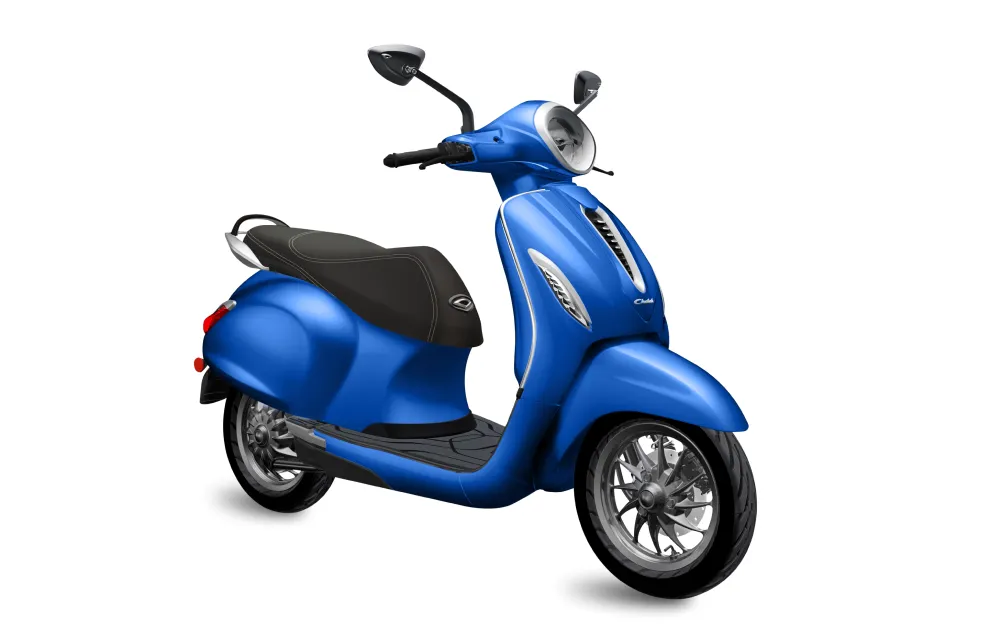
The rising demand for electric mobility has brought increased attention to the price of electric scooters in India. Buyers often notice wide pricing variations across models, even when the scooters appear similar at first glance. This difference is not random. A mix of technology, market dynamics, policy support, and manufacturing inputs shapes it.
Understanding these aspects is important before making a purchase decision, as it helps assess value rather than focusing only on the upfront cost. The electric scooter price in India reflects both visible features and underlying components that influence performance, durability, and long-term ownership experience.
Battery Technology and Cost
The battery is the most expensive component in an electric scooter, making it a major factor affecting the electric scooter price in India. Lithium-ion batteries are commonly used due to their efficiency and longer life, but they are costlier to produce.
Battery capacity also plays a role. A higher-capacity battery provides more range, which increases cost. Replacement costs can also be high, sometimes forming a large portion of ownership expenses.
As technology improves, battery prices may stabilise, but they will remain a central factor in determining electric scooter prices in India.
Range and Performance
Range refers to how far a scooter can travel on a single charge, while performance includes acceleration, motor power, and ride quality. These features directly influence the electric scooter price in India.
Scooters designed for longer commutes or higher speeds typically include advanced motors and larger batteries. This results in higher pricing compared to entry-level models intended for short urban travel.
Consumers often prioritise range and performance, which is why manufacturers position different models at varied price points.
Raw Material Costs
The cost of materials such as steel, aluminium, and electronic components significantly impacts manufacturing expenses. Any fluctuations in global commodity prices affect the price of electric scooters in India.
For example, higher-quality materials may improve durability and safety but also raise production costs. Manufacturers must balance quality and affordability, which leads to differences in pricing across models.
Government Policies and Subsidies
Government initiatives play an important role in shaping the electric scooter price in India. Subsidies and incentives under programmes like FAME help reduce the effective cost for buyers.
Tax reductions, such as the decrease in GST on electric vehicles, have also contributed to making electric scooters more accessible. These policy changes can significantly influence pricing trends and market demand.
Market Demand and Competition
The increasing popularity of electric mobility has created a competitive market. Demand growth encourages manufacturers to introduce multiple models at different price levels.
Competition can lead to price adjustments, promotional offers, and feature upgrades. As more players enter the market, buyers gain access to a wider range of options within the electric scooter price in India spectrum.
Features and Technology Integration
Modern electric scooters often include smart features such as mobile connectivity, navigation, and digital displays. These additions enhance the user experience but also affect the price of electric scooters in India.
Safety features such as regenerative braking, anti-theft systems, and advanced braking systems also contribute to pricing. Scooters with more advanced technology tend to be priced higher.
Design, Build Quality, and Comfort
Design and build quality influence both perception and cost. Premium finishes, ergonomic seating, and improved suspension systems can raise the price of electric scooters in India.
A well-built scooter may cost more initially but can offer better durability and comfort over time. Buyers often consider these aspects when comparing options.
Model Variants and Customisation
Different variants of the same scooter can have varying prices based on features, battery size, or performance upgrades. Customisation options also influence the electric scooter price in India.
Entry-level variants are typically more affordable, while premium versions include additional features and improved specifications.
Location and Operational Factors
The price of electric scooters in India can vary by location due to differences in state subsidies, registration costs, and logistics.
Operational factors such as electricity costs and charging infrastructure do not directly affect purchase price but influence overall affordability. These considerations are important for long-term ownership.
Manufacturing and Compliance Costs
Manufacturers must adhere to safety and regulatory standards, which can increase production costs. Compliance with evolving norms affects the final price of electric scooters in India.
Research and development expenses for improving efficiency and sustainability are also reflected in pricing.
Finding the Best E-scooter for Your Needs
A combination of technical, economic, and policy factors determines the price of electric scooters in India. From battery technology and raw material costs to government incentives and market competition, each factor shapes the final price. Buyers should look beyond the initial cost and consider aspects such as range, performance, and long-term value.
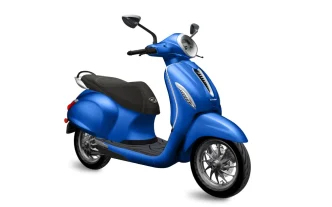
A well-informed approach ensures that the selected scooter meets daily commuting needs while remaining cost-effective over time. For those evaluating options, models like Bajaj Chetak can serve as a useful reference point when comparing features and pricing within the evolving electric mobility market.