A used car dealership may receive ten new vehicles on a Monday morning. By the end of the day, those vehicles need to be inspected, priced, photographed, uploaded to the website, shared with marketplaces, and promoted across social channels. The sales team wants the listings live quickly, but buyers still expect clear, consistent, trustworthy images before they make an inquiry.
That is where many dealerships lose time. The photos may come from different phones, different lighting conditions, different parking spaces, and different staff members. One vehicle looks clean and professional. Another has a distracting background, poor brightness, crooked framing, or inconsistent cropping. The result is not only a design problem. It can affect buyer confidence, lead quality, and the speed at which inventory starts generating interest.
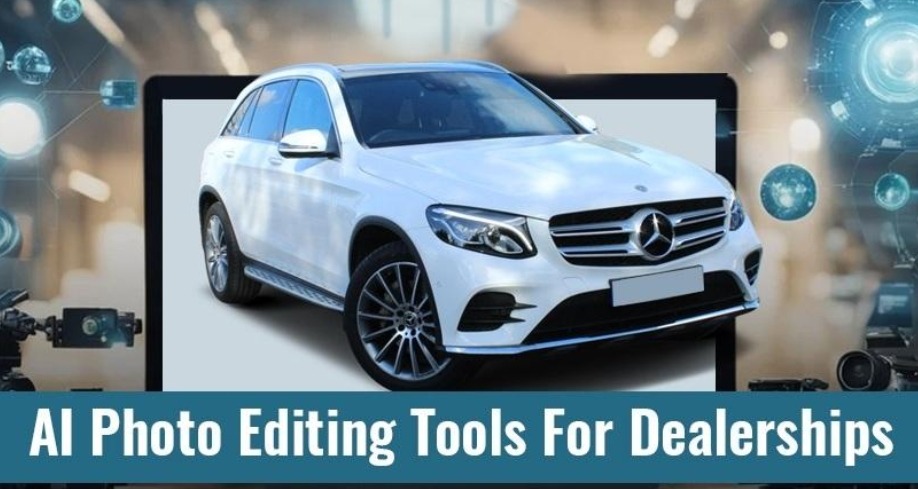
AI photo editing can help dealerships create more consistent listing images without turning the sales process into a design project. The goal is not to make a vehicle look better than it is. The goal is to present each vehicle clearly, reduce repetitive editing work, and build a faster workflow from lot photography to published listing.
Why Vehicle Photos Matter More Than Many Dealers Realize
Most car shoppers now do a large part of their research before they visit a showroom. They compare prices, mileage, trim levels, features, financing options, dealer reviews, and photos across multiple websites. When several similar vehicles appear in search results, the image quality can influence which listing receives attention first.
A dealership does not need studio-level photography for every vehicle, but it does need consistency. Buyers want to see the exterior, interior, dashboard, odometer, wheels, cargo space, seats, and visible condition details. If the images are dark, cluttered, or inconsistent, shoppers may assume the dealer is careless or that the vehicle has something to hide.
Good listing photos support three business goals:
- They help buyers understand the vehicle faster.
- They make inventory pages look more professional and organized.
- They reduce friction for sales teams because shoppers arrive with clearer expectations.
For dealerships managing fast-moving inventory, the challenge is doing this at scale. A single vehicle can require 20 to 40 images. A larger dealer may need hundreds or thousands of images processed each month. Manual editing can become a bottleneck unless the workflow is simple and repeatable.
Where AI Photo Editing Fits in a Dealership Workflow
AI photo editing is most useful when it removes repetitive production work. It can help with background cleanup, brightness adjustment, object removal, cropping, image resizing, and creating visual variations for ads or social posts. These tasks do not replace vehicle inspection or honest photography. They simply help the dealership present the available information more clearly.
| Dealership use case | AI can help with | Human review should check |
| Website vehicle listing | Clean backgrounds, consistent cropping, brightness correction | Accurate color, visible damage, trim details, and no misleading edits |
| Marketplace listing | Image resizing, standard framing, sharper presentation | Compliance with marketplace photo rules and listing accuracy |
| Social media promotion | Creative variations, cleaner hero images, campaign-ready formats | Brand consistency, readable text, and realistic vehicle appearance |
| Paid ad creative | Multiple image versions for testing | Offer accuracy, legal claims, and clear call to action |
| Internal sales material | Clean images for email, PDFs, and customer follow-up | Correct vehicle match and no changes to important condition details |
A Practical AI Photo Editing Workflow for Dealerships
The best results come from a workflow, not from random one-off edits. Dealerships should define a simple standard that any staff member can follow.
1. Start With Consistent Source Photos
AI can improve presentation, but it cannot fully rescue weak source material. The dealership should create a basic photo checklist for the lot team: shoot vehicles in a consistent area, avoid harsh shadows when possible, clean the car before shooting, and capture the same angles for every listing.
For example, a used SUV listing might include front, rear, side profile, dashboard, odometer, seats, wheels, cargo area, infotainment screen, engine bay, and any visible wear. If every vehicle follows the same sequence, the editing and upload process becomes easier to manage.
2. Define the Purpose of Each Image
Not every image has the same job. A website hero image needs to attract attention and represent the vehicle clearly. Interior images need to show condition and features. Close-up images need to document details, not hide them. Social media images can be more polished, but they still need to remain honest.
This matters because the same AI edit is not right for every channel. A clean background may work well for a website thumbnail, while a more natural dealership lot background may be better for authenticity. A promotional social image may allow more creative framing, while a marketplace listing may require stricter compliance.
3. Use AI to Standardize the Repetitive Work
Once the image purpose is clear, AI can handle the repetitive parts of production. A browser-based tool such as PhotoEditorAI can fit into this workflow by helping teams adjust and refine vehicle images without moving every photo through a complex design stack.
Common tasks include removing distracting background objects, cleaning up the edges of a photo, improving brightness, preparing consistent crops, and creating a cleaner version of a vehicle image for a listing thumbnail. For a busy dealer, the value is not only image quality. It is the time saved across every vehicle in inventory.
4. Review for Accuracy Before Publishing
Dealerships should treat AI-edited images as drafts, not final truth. A staff member should compare the edited version with the original photo and the vehicle itself when necessary. This is especially important for color, scratches, dents, upholstery condition, wheel damage, dashboard warning lights, and any feature that affects buyer expectations.
For example, if AI smooths a reflection on a door panel, the reviewer must confirm that it has not also hidden a dent or scratch. If the tool brightens a dark interior, the reviewer should ensure the seat color and material still look accurate.
5. Export Images for Each Sales Channel
Dealerships often publish the same vehicle across their website, third-party marketplaces, email campaigns, social media, and paid ads. Each channel may need a different image size or crop. A repeatable export workflow prevents staff from manually reworking the same image several times.
A practical system might include one clean website version, one marketplace-compliant version, one square social image, and one wide image for email or banner use. This makes the content team faster and keeps the dealership’s visual presentation consistent across channels.
Examples of AI Photo Editing in Dealership Operations
A used car dealership with limited indoor photography space could photograph vehicles outside, then use AI to clean up distracting backgrounds, align crops, and create a more consistent first image for each listing. The key is to keep the vehicle accurate while removing visual noise that does not help the buyer.
A dealer group with several locations could use AI editing rules to make inventory from different branches look more consistent. Even if each location shoots photos in a different lot, the final listing images can follow similar framing and brightness standards. This helps the brand look more organized across its website and marketplace feeds.
A sales manager preparing a weekend promotion could use edited vehicle images to create social posts for selected inventory. Instead of waiting for a designer to manually prepare every image, the team could generate cleaner versions quickly, then focus human review on pricing, offers, and message accuracy.
Quality Checklist Before Publishing AI-Edited Vehicle Photos
Before an edited image goes live, dealerships should run a quick review. This protects buyer trust and reduces the risk of complaints later in the sales process.
Does the vehicle color still match the real vehicle?
Are scratches, dents, stains, or wear still represented honestly?
Are badges, trim labels, license plates, and dashboard details accurate?
Are wheels, headlights, mirrors, and body edges free from distortion?
Does the image comply with the rules of the marketplace where it will appear?
Does the crop show the vehicle clearly on mobile screens?
Could the edit create an unrealistic expectation for the buyer?
Does the image match the dealership’s overall visual style?
This review does not need to be slow. A short checklist can be built into the merchandising process. The important point is that AI should support accuracy, not weaken it.
What Can Go Wrong With AI-Edited Car Photos
The biggest risk is over-editing. If a vehicle looks cleaner, newer, or less damaged than it really is, the dealership may win a click but lose trust when the customer arrives. That can waste sales time and damage the dealership’s reputation.
| Risk | Why it matters | How to reduce it |
| Hidden damage | Buyers may feel misled if scratches or dents are removed | Never remove condition details that affect buyer expectations |
| Incorrect color | Vehicle color is a key purchase factor | Compare edited photos with original images and real inventory |
| Distorted badges or trim | Incorrect trim information can create listing confusion | Check badges, logos, dashboard screens, and labels closely |
| Unrealistic background | A fake-looking image can reduce trust | Use clean but believable backgrounds and avoid excessive effects |
| Marketplace compliance issues | Some platforms restrict text, overlays, or background changes | Keep separate export rules for each sales channel |
How Dealerships Should Measure the Impact
AI photo editing should be judged by operational and sales outcomes, not only by whether images look better. Dealerships can track time from vehicle intake to live listing, number of images published per vehicle, listing views, click-through rate, lead volume, and the quality of buyer inquiries.
A simple test can be useful. For one month, the dealership could apply a consistent AI-assisted editing workflow to a selected group of vehicles while keeping another group on the old process. The team can then compare listing speed, engagement, and sales team feedback. This does not prove that image editing alone caused every result, but it helps the dealership understand whether the workflow is worth scaling.
Dealers should also ask sales staff what they notice. Are customers arriving with fewer basic questions? Are they better informed about the vehicle condition? Are the listings easier to share in follow-up messages? These practical signals matter because photo workflows affect both marketing and sales operations.
Final Thoughts
AI photo editing can be valuable for auto dealerships because vehicle images are both a marketing asset and a trust signal. Better photos can make inventory easier to browse, help listings stand out, and reduce repetitive work for staff. But the strongest workflow keeps accuracy at the center.
The goal is not to make every car look perfect. The goal is to make every listing clear, consistent, and honest. Dealerships that combine good source photography, AI-assisted editing, and human review can publish faster without weakening buyer trust.